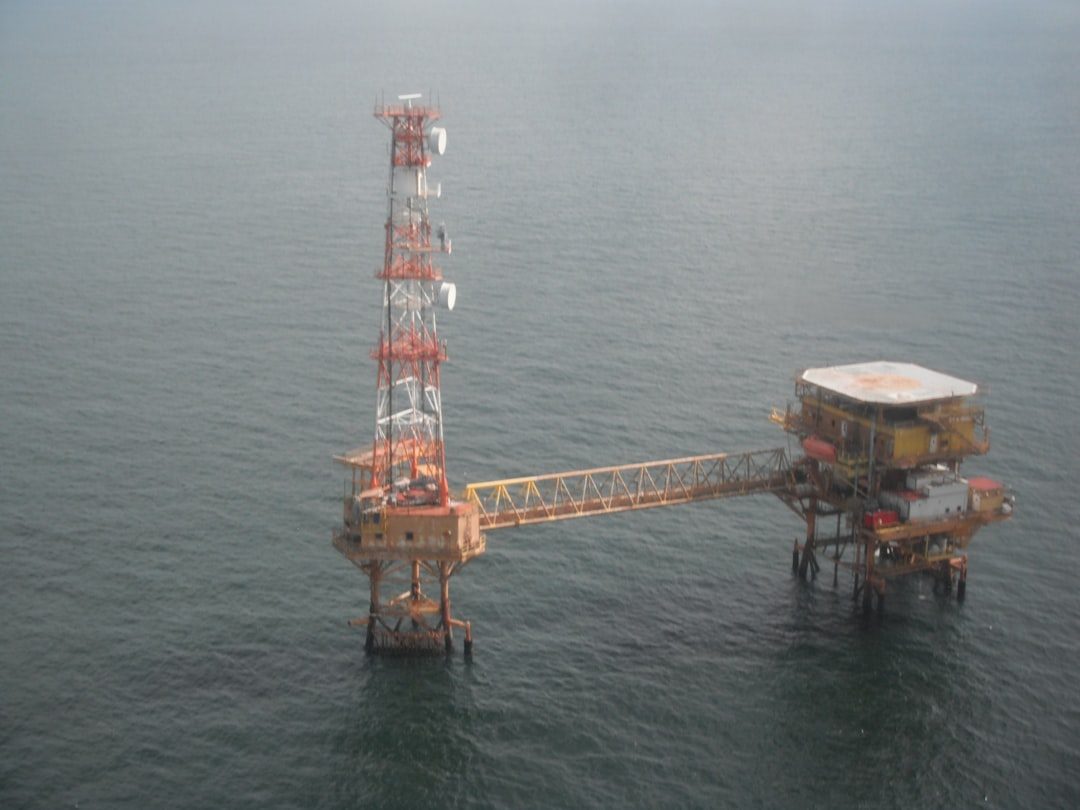
Donald Trump's second-term energy agenda has moved from a single Gulf auction to a full-scale offshore transformation. The December 10 Gulf lease sale—81.2 million acres at a 12.5% royalty rate, generating $279.4 million—was just the opening move. By year's end, the administration had proposed a sweeping 2026-2031 leasing plan covering 1.27 billion acres off California, Florida and Alaska, and scheduled a second Gulf sale for March 11, 2026. It simultaneously halted all five major East Coast offshore wind projects, citing national security risks; Shell-INEOS's early January oil discovery south of New Orleans showed the industry's bet on deepwater Gulf prospects.
The One Big Beautiful Bill Act locks in Gulf drilling for decades—mandating 30 auctions through 2040, slashing royalty rates, and adding six Cook Inlet sales, the first scheduled March 4, 2026. The administration now faces a multi-front legal war. Environmental groups sued to block the December sale over skipped climate reviews and Rice's whale protections, while offshore wind developers and states are suing over the December 22 wind freeze. California and Florida governors are vowing to fight new drilling off their coasts.
Questions about this story
Free account needed to ask — your question is kept and asked for you right after sign-up. Answers are public.
No questions yet — be the first to ask.
Key Indicators
1.27B acres
Total offshore area in Trump's 2026-2031 plan
Proposed five-year plan would open California, Florida, Alaska and Gulf waters—34 sales replacing Biden's three-sale plan.
30
Mandated Gulf offshore lease sales
Trump's One Big Beautiful Bill Act hardwires 30 Gulf auctions over 15 years.
$279.4M
High bids in first Trump-era Gulf auction
Well below the $382 million raised in the last Biden-era sale in 2023.
81.2M acres
Offshore area offered on December 10, 2025
Companies bid on just 1.02 million acres—about 1.3% of what was offered.
12.5%
New federal royalty rate for Gulf oil leases
Cut from the 16.66% minimum Biden's Inflation Reduction Act required.
5
East Coast offshore wind projects halted
$25 billion in projects frozen December 22 on national security grounds; three developers have sued.
~15%
U.S. oil output from offshore production
The Gulf remains strategically important, even as shale dominates short-term growth.
19 events
Latest: January 8th, 2026 · 9 months ago
Showing 8 of 19
JK to step
Tap a bar to jump to that date
Jump to
January 2026
Comment deadline set for Trump's 2026-2031 offshore plan
LatestPolicy
BOEM's 60-day public comment period on the proposed five-year program covering 1.27 billion acres off California, Florida and Alaska runs through January 23, 2026, with environmental groups and coastal states mobilizing opposition.
Analysis warns Trump offshore plan could trigger 4,000+ oil spills
Policy
Center for Biological Diversity releases analysis of Trump's 2026-2031 offshore leasing plan, projecting thousands of potential oil spills based on historical data from similar lease areas.
Ørsted, Equinor and Dominion Energy sue Interior over December 22 stop-work orders, with initial hearing scheduled January 12. Dominion reports losing $5 million daily from the halt of its nearly-complete Coastal Virginia project.
Connecticut and Rhode Island sue over offshore wind halt
Legal
Two states file emergency motion seeking preliminary injunction to restart Revolution Wind project, arguing the Trump administration's national security justification lacks factual basis.
Shell and INEOS announce major Gulf oil discovery
Energy Market
Major oil discovery made during offshore drilling south of New Orleans, more than two weeks after the Trump administration's first Gulf lease auction, underscoring continued industry interest in deepwater prospects.
December 2025
Trump administration halts all major East Coast offshore wind projects
Policy
Interior announces 90-day pause on leases for five offshore wind projects totaling 6 gigawatts and $25 billion—Coastal Virginia, Vineyard Wind 1, Revolution Wind, Empire Wind and Sunrise Wind—citing classified national security reports about radar interference, triggering immediate legal and political backlash.
First Trump-era Gulf auction held under lower royalty rates
Event
BOEM offers 81.2 million acres in the Gulf of Mexico at a 12.5% royalty rate. Thirty companies submit 219 bids on just 1.02 million acres, generating $279.4 million in high bids—less money and fewer bids than the last Biden-era sale, but marking a decisive policy break toward expanded offshore drilling.
Florida delegation urges Trump to keep drilling away from state
Political
Florida’s entire congressional delegation—Republicans and Democrats—asks Trump to exempt the state’s western coast from expanded leasing, citing risks to tourism and military operations in the Gulf Test Range, underscoring regional Republican unease with offshore drilling.
November 2025
Green groups sue to block first Trump Gulf auction
Legal
Environmental organizations represented by Earthjustice file suit to halt the planned Gulf sale, alleging Interior skipped required environmental review and that BOEM’s acting director violated ethics rules by participating despite past industry ties.
Trump unveils 2026-2031 offshore plan opening California, Florida, Alaska waters
Policy
Administration proposes sweeping five-year program with 34 lease sales covering 1.27 billion acres, including six sales off California (2027-2030), areas 100+ miles off Florida's coast, and over 20 Alaska sales including new High Arctic zone—replacing Biden's three-sale Gulf-only plan and breaking decades of coastal drilling bans.
BOEM proposes second Gulf sale for March 11, 2026
Policy
Big Beautiful Gulf 2 (BBG2) proposed notice published in Federal Register, offering ~15,000 blocks covering 80 million acres at 12.5% royalty—second of 30 mandated sales—with 60-day governor comment period before final notice.
Cook Inlet lease sale scheduled for March 4, 2026
Policy
BOEM sets final terms for Big Beautiful Cook Inlet 1 (BBC1), offering ~1 million acres at 12.5% royalty—first of six mandated Alaska sales—despite minimal industry interest in recent Cook Inlet auctions.
Trump finalizes December Gulf sale, proposes Alaska auction
Policy
Interior finalizes a massive December 10 Gulf sale—first of 30 mandated auctions—and proposes opening about 1 million acres in Alaska’s Cook Inlet, all at a minimum 12.5% royalty rate.
August 2025
Interior publishes offshore leasing calendar under Trump law
Policy
The Interior Department releases a long-term schedule dominated by Gulf of America and Cook Inlet oil and gas sales, touting predictability for drillers while environmentalists warn it locks in long-lived fossil infrastructure.
July 2025
Trump signs One Big Beautiful Bill Act
Legislation
Trump signs the sweeping One Big Beautiful Bill Act, which extends his 2017 tax cuts, pares back Inflation Reduction Act clean-energy incentives, mandates 30 Gulf lease sales and lowers offshore royalties to 12.5%, hardwiring his energy agenda into law.
May 2025
House Republicans move to mandate Gulf lease sales, cut royalties
Legislation
A House committee unveils a fossil-fuel-heavy budget plan requiring 30 Gulf of Mexico lease sales over 15 years, multiple Alaska auctions, and a 12.5% royalty rate on federal oil and gas, laying the policy groundwork for Trump’s tax-and-spending package.
September 2023
Last Biden-era Gulf sale raises $382 million
Energy Market
A Gulf of Mexico lease auction under Biden attracts 352 bids on 1.73 million acres, raising $382 million—the strongest offshore sale since 2015 and the last one before a pause in new auctions.
The Inflation Reduction Act elevates minimum offshore oil and gas royalty rates to 16.66% and plans a historically small number of new federal lease sales, embedding climate goals into leasing policy and frustrating producers.
BP’s Macondo well blowout kills 11 workers and spills millions of barrels of oil into the Gulf, triggering a federal drilling moratorium and a wholesale overhaul of offshore safety regulation. Those memories still shape today’s legal and political battles over new Gulf lease sales.
Scenarios
1
Trump’s 30 Gulf Lease Sales Roll Ahead, Courts Mostly Stand Aside
Likely
Discussed by: Reuters, AP, industry analysts at WorkBoat and the Financial Times
In this path, federal courts decline to issue broad injunctions, perhaps requiring only extra paperwork before subsequent auctions. BOEM adjusts environmental reviews but keeps the 12.5% royalty and sale cadence intact. Industry keeps bidding selectively—high-grading the best deepwater prospects while skipping marginal blocks—so revenue per sale stays middling but cumulative acreage under lease grows steadily. Offshore wind remains bogged down by separate Trump-era reviews, entrenching the Gulf’s role as a long-lived fossil basin even if demand growth is modest.
Discussed by: Environmental groups, legal scholars, coverage in the Financial Times and AP
Here, judges find that Interior shortchanged climate and wildlife analysis, especially for species like Rice’s whale and for cumulative emissions. They halt or severely narrow upcoming sales until BOEM completes a more robust programmatic review. The administration can still hold auctions, but on a slower, more litigated schedule, with more acreage carved out and stronger mitigation requirements. The 30-sale mandate stays on the books, but the real-world footprint shrinks, and the next administration inherits a partially crippled program rather than a turnkey drilling machine.
3
Political Whiplash: Next Administration Reinstates Climate Limits, Stranding New Leases
Uncertain
Discussed by: Climate-focused think tanks, some Democratic lawmakers, long-horizon energy strategists
If Democrats retake the White House or Congress before many Trump-era leases are drilled, they could move to restore higher royalty rates, narrow the leasing program, or even seek to amend or partially repeal the One Big Beautiful Bill Act. Companies that bought leases cheaply in 2025–2027 could find themselves facing slower permitting, tougher environmental conditions, or new carbon regulations that erode project economics. The result would echo past boom-bust cycles: a wave of paper leases on the books, but fewer actual platforms in the water and rising stranded-asset risk on company balance sheets.
4
Offshore Wind Freeze Becomes Permanent, Reshaping U.S. Renewable Strategy
Possible
Discussed by: Wind developers in lawsuits, energy analysts at MIT Technology Review and Utility Dive, environmental advocates
If courts uphold Trump's wind lease suspensions or the administration extends them beyond the initial 90 days, billions in sunk investment could be lost and the U.S. offshore wind buildout—already behind European peers—could stall for years. Developers might abandon projects, supply chains could collapse, and the next administration would inherit a fractured industry requiring a complete rebuild. This outcome would cement fossil fuels' offshore dominance and force renewable advocates to pivot entirely to onshore solar and wind, reshaping the nation's long-term decarbonization pathway.
Discussed by: California Gov. Gavin Newsom, Florida congressional delegation, legal scholars, coverage in CNN and NBC News
Governors in California and Florida have declared new offshore drilling 'dead on arrival,' and both states command significant legal, political and economic leverage. If they coordinate with aligned attorneys general to challenge lease sales on environmental, tourism-economy and state-sovereignty grounds—and if courts find BOEM failed adequate coastal-zone consultation or NEPA review—the administration's headline-grabbing expansion beyond the Gulf could be reduced to paper plans. A narrow Gulf-and-Alaska-only program would still represent a fossil victory, but one far smaller than the 1.27-billion-acre vision.
Historical Context
3 moments from history that rhyme with this story — and how they unfolded.
1 of 3
2010–2016
Deepwater Horizon Oil Spill and the Post-2010 Safety Overhaul
In April 2010, BP’s Macondo well in the Gulf of Mexico blew out, causing one of the worst offshore oil spills in history. The disaster killed 11 workers, released millions of barrels of oil, and triggered a federal drilling moratorium plus a major reorganization of offshore regulators into BOEM and the Bureau of Safety and Environmental Enforcement.
Then
Washington tightened safety and environmental rules, and offshore drilling slowed while new standards took hold.
Now
The spill remains a touchstone in every modern Gulf leasing fight, shaping risk calculations in courtrooms and boardrooms.
Why this matters now
Environmental groups now point to Deepwater Horizon to argue that locking in decades of new Gulf drilling repeats past mistakes in a warming world.
2 of 3
2017–2020
Trump’s First-Term ‘Energy Dominance’ Offshore Plan
During his first term, Trump proposed opening almost the entire U.S. outer continental shelf to oil and gas leasing, including the Atlantic, Pacific and Arctic coasts, while rolling back Obama-era protections. The plan ran into fierce opposition from coastal states, court challenges and lukewarm industry interest in frontier basins.
Then
Most of the most aggressive expansion never materialized, and key Arctic and Atlantic leases were ultimately shelved or blocked.
Now
The experience showed that legal, political and economic friction can blunt even sweeping executive ambitions on offshore drilling.
Why this matters now
Today’s 30-sale Gulf mandate is a more targeted, statute-backed sequel to that earlier push—harder to undo, but still vulnerable to the same forces.
The Inflation Reduction Act tied offshore wind auctions to continued oil and gas leasing, but raised royalties and narrowed the number of new sales. It aimed to steer offshore policy toward renewables while still accommodating some oil and gas activity, especially in the Gulf.
Then
Producers grumbled about higher costs but continued bidding in core Gulf areas; offshore wind leasing accelerated.
Now
Trump’s 2025 law is explicitly designed to reverse these changes, illustrating how fragile climate-leaning compromises can be after a change in power.
Why this matters now
Comparing the IRA framework with Trump’s OB3 regime helps explain how much leverage Congress has over the long-term shape of U.S. offshore energy.