
Pull to refresh
Logo
Trump administration moves to shut down the federal Chemical Safety Board

Trump administration moves to shut down the federal Chemical Safety Board

Rule Changes

The only agency that investigates why industrial chemical explosions happen faces elimination, with several probes unfinished

May 30th, 2026: Budget proposal zeroes out CSB funding

Overview

Updated 1 hour ago

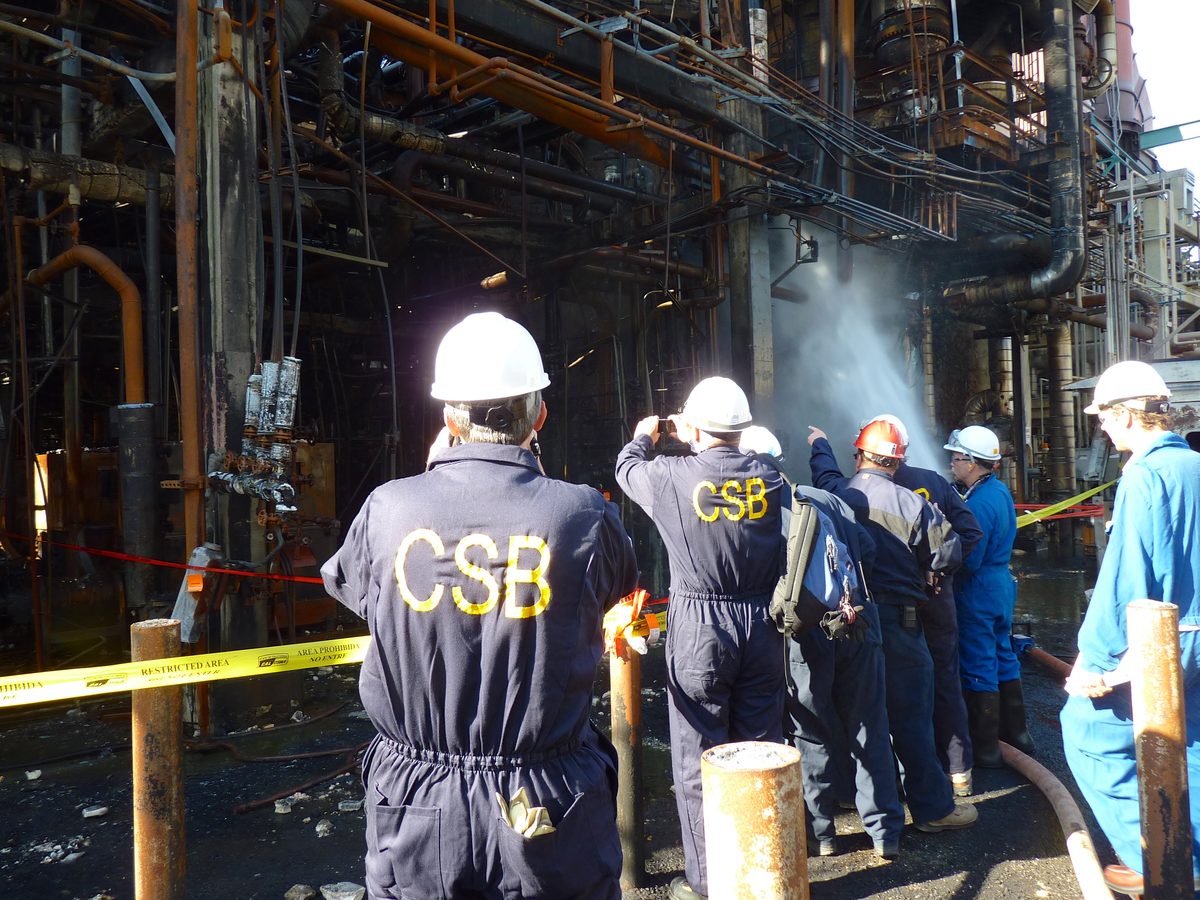
The Chemical Safety Board, the only federal agency that investigates why industrial chemical explosions happen, is being quietly wound down. The Trump administration zeroed out its $14 million budget in the fiscal plan released May 30 and earmarked $844,000 of the agency's emergency fund for closure costs.

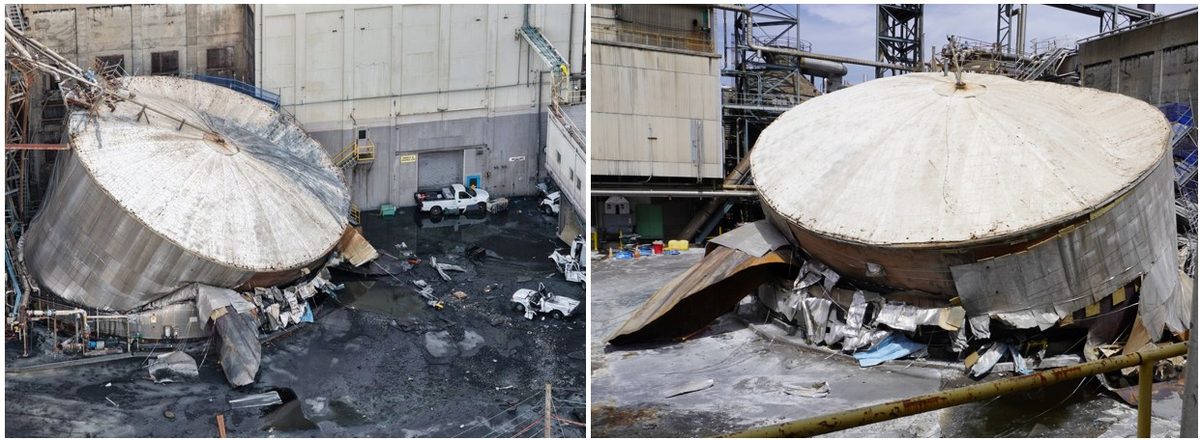
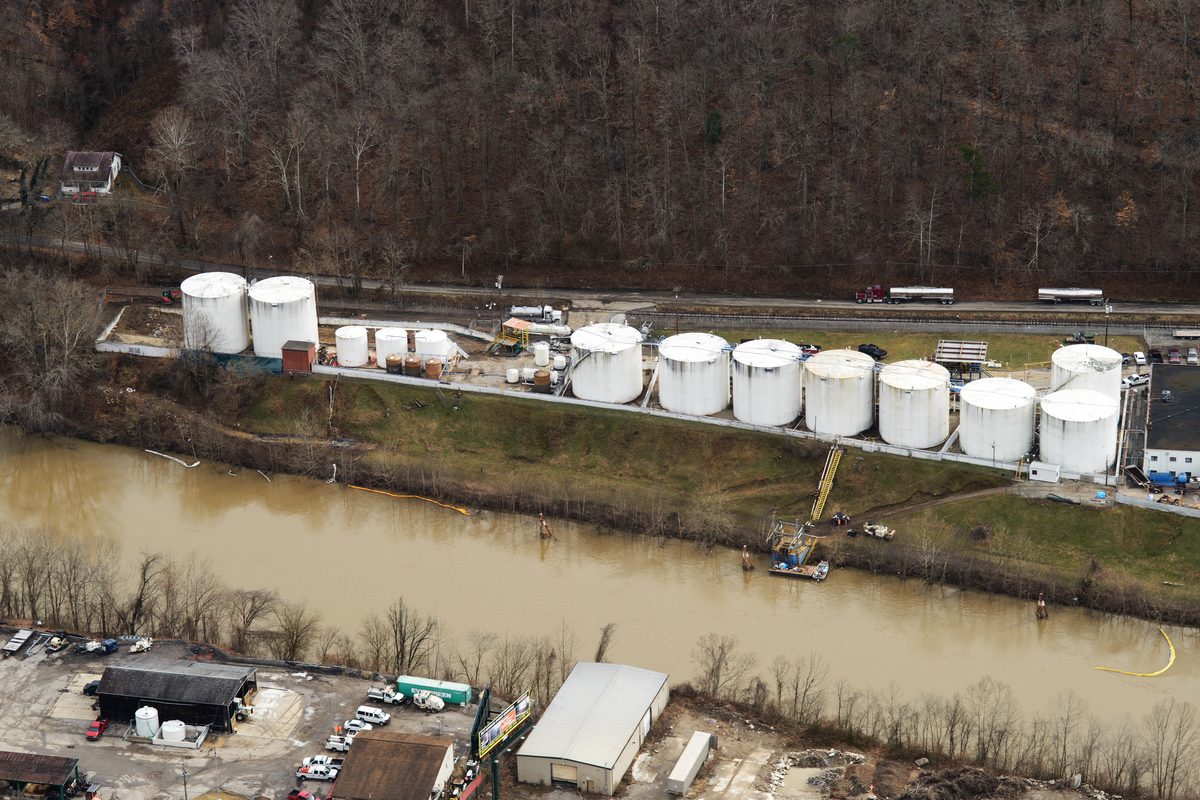
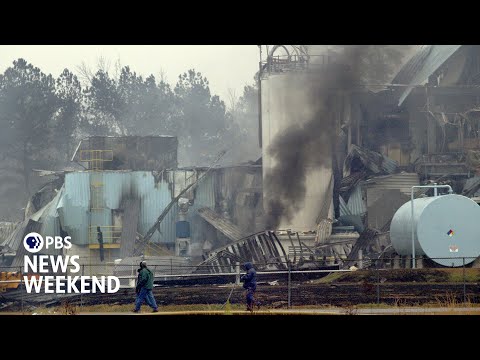
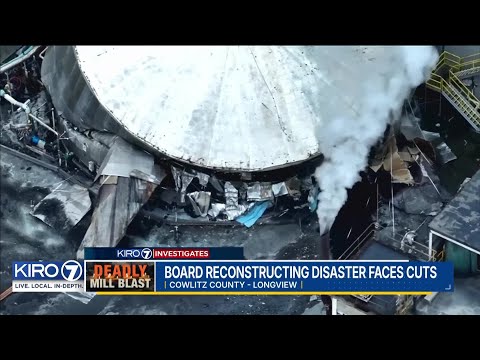
The CSB cannot fine companies or file charges; it determines root causes — worker fatigue, skipped maintenance, weak safety culture — and issues recommendations. With funding set to expire September 30, open investigations into a West Virginia plant leak that killed two workers and a Longview, Washington tank rupture that killed 11 may never be completed.

Why it matters

Without the Chemical Safety Board, no federal agency will investigate why chemical plants explode — and the root-cause findings that drive safety fixes disappear.

Questions about this story

Free account needed to ask — your question is kept and asked for you right after sign-up. Answers are public.

No questions yet — be the first to ask.

Key Indicators

$14M
Annual CSB budget proposed for elimination
The agency's funding would drop to zero under the administration's fiscal plan; $844,000 is set aside for closure costs.
6
Budget proposals seeking elimination since 2017
The White House says it has called for removing the CSB in every budget it has produced.
2 of 5
Board seats filled
Trump declined to fill three open seats, leaving a two-member panel of Biden appointees.
11
Workers killed in Longview paper-mill tank rupture
The CSB opened a probe into the fatal caustic-chemical tank failure that the shutdown may leave unfinished.

Voices

Curated perspectives — historical figures and your fellow readers.

Ever wondered what historical figures would say about today's headlines?

Sign up to generate historical perspectives on this story.

People Involved

Organizations Involved

Timeline

November 1990 May 2026

7 events Latest: May 30th, 2026 · 4 months ago
Tap a bar to jump to that date
  1. Budget proposal zeroes out CSB funding

    Latest Budget

    White House plan eliminates the $14 million budget and earmarks $844,000 for closure costs.

  2. Board clears investigation backlog

    Milestone

    CSB announces it completely eliminated its long-standing backlog of investigations.

  3. Board shrinks, backlog grows

    Operations

    Only one new Trump appointee in first term; investigation backlog dates to 2016.

  4. First Trump budget proposes CSB elimination

    Budget

    President's first budget requests zeroing the agency's funding; Congress keeps it funded.

  5. CSB begins operations

    Founding

    Board opens with a mandate to investigate industrial chemical accidents.

  6. Congress creates the Chemical Safety Board

    Founding

    Clean Air Act amendments establish the CSB after the Bhopal disaster and the Phillips 66 Houston explosion.

Scenarios

1

Congress restores Chemical Safety Board funding

Possible Resolves by Mar 1, 2027

Discussed by: Appropriations committee members and former CSB officials quoted by OPB and Grist

An appropriations fight keeps the CSB alive for another fiscal year. Lawmakers ignored the first five elimination proposals by continuing to fund the agency, and one House member said the appropriations bill in her committee's jurisdiction would protect it. A full restoration would let stalled investigations into the Dow explosion, the Longview tank rupture and the West Virginia leak continue.

2

Chemical Safety Board shuts down with investigations unfinished

Likely Resolves by End of 2026

Discussed by: Texas Tribune, Grist, PBS News Weekend and former CSB officials

The zeroed-out budget takes effect and the agency formally closes or furloughs its staff. No federal body remains to complete root-cause probes of the Dow, Longview, West Virginia and El Segundo incidents. States are left running separate, siloed investigations, as California agencies did after the Chevron refinery explosion.

3

Chemical Safety Board survives with sharply reduced budget

Possible Resolves by Mar 1, 2027

Discussed by: Congressional Republicans quoted by OPB and Safety+Health magazine

Rather than eliminate the agency, Congress cuts it substantially — Republicans have proposed a reduction exceeding 40%. Trump's refusal to fill three board seats leaves a two-member panel with limited capacity to approve investigations and reports, further slowing the CSB's work even if it survives.

Historical Context

2 moments from history that rhyme with this story — and how they unfolded.

December 1984 – January 1998

Bhopal disaster and the push to create the CSB (1984–1998)

The 1984 Bhopal gas leak in India killed thousands and exposed how little was known about preventing chemical releases. In the U.S., the 1989 Phillips 66 Houston refinery explosion killed 23 workers. Congress added the CSB to the 1990 Clean Air Act, and the board began operating in 1998.

Then

A new independent agency was created to investigate chemical accidents.

Now

CSB investigations produced safety recommendations used by plants, regulators and unions across the petrochemical industry.

Why this matters now

The agency was created precisely because no federal body investigated industrial chemical accidents. Eliminating it recreates that gap.

March 2005

BP Texas City refinery explosion (2005)

An explosion at BP's Texas City, Texas refinery killed 15 workers and injured about 180. The CSB's investigation identified systemic failures including weak safety culture, worker fatigue and poor maintenance management.

Then

CSB issued recommendations that reshaped refinery safety practices across the industry.

Now

The case became the model for the root-cause investigation the CSB is known for.

Why this matters now

It shows the kind of systemic finding only an independent accident investigator can produce — the expertise at risk of disappearing with the agency.

Sources

(11)