



Pull to refresh
Logo
Judge lets Trump's defamation suit against the New York Times proceed

Judge lets Trump's defamation suit against the New York Times proceed

Rule Changes

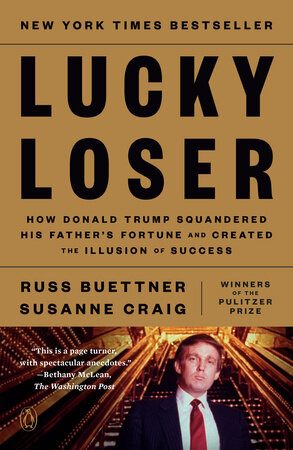
Seven of 34 challenged statements survive, opening discovery into how reporters researched the book 'Lucky Loser'

Overview

Updated 10 hours ago

President Donald Trump sued The New York Times and Penguin Random House in September 2025 over a book and articles about his business record. On Nov. 19, 2026, a federal judge in Tampa refused to end the case, letting seven of the 34 challenged statements proceed. The rest were thrown out.

The surviving statements accuse Trump of tax fraud, tax evasion or money laundering. To win, Trump must prove the journalists knew the claims were false or seriously doubted them, a standard the Supreme Court set in 1964. The ruling does not decide whether defamation occurred. It means the case can move toward discovery, where Trump's lawyers can ask how the reporting was assembled.

Why it matters

A sitting president's libel suit now lets his lawyers ask how reporters checked their facts, a question newsrooms fight hard to avoid.

Questions about this story

Free account needed to ask — your question is kept and asked for you right after sign-up. Answers are public.

No questions yet — be the first to ask.

Key Indicators

$15B
Damages sought
Trump's stated claim against the Times and Penguin Random House.
7
Statements left standing
Six come from the book 'Lucky Loser,' one from a Times article by Peter Baker.
27
Statements thrown out
Judge Merryday dismissed most of the passages Trump challenged.
2
Claims dismissed
The judge also narrowed four other claims in the suit.

Voices

Curated perspectives — historical figures and your fellow readers.

Sign up to generate historical perspectives on this story.

People Involved

Organizations Involved

Timeline

September 2025 November 2026

5 events Latest: Yesterday
Tap a bar to jump to that date

Scenarios

1

Case Reaches Trial After Discovery

Possible Resolves by End of 2028

Discussed by: Law Commentary and legal analysts quoted in the Times' coverage

Discovery would focus on what the reporters knew when they wrote the seven surviving statements. If Trump's lawyers find internal doubts, notes or editor exchanges, the case could survive summary judgment and reach a jury. That is the outcome press advocates fear most.

2

Judge Grants Summary Judgment to the Times and Penguin Random House

Possible Resolves by Q2 2028

Discussed by: The defendants' lawyers, who argued the statements were opinions and well-sourced findings

After discovery, the defendants can ask Merryday to rule that no reasonable jury could find actual malice. The Times and Penguin have said the reporting drew on extensive research. If the evidence shows no serious doubts, the case ends before trial.

3

Settlement or Withdrawal Ends the Case

Unlikely Resolves by End of 2027

Discussed by: Commentators in the Freedom of the Press Foundation and Law Commentary pieces

Trump has dropped or settled media litigation before, and a settlement would avoid a public fight over newsroom records. The Times and Penguin have given no signal they intend to pay. Trump's lawyers have given no signal they intend to quit.

4

Appeals Court Throws Out the Surviving Claims

Uncertain Resolves by Q2 2027

Discussed by: The Times, which news reports said could appeal the ruling, and press-freedom groups

The Times could ask the Eleventh Circuit to review whether the seven statements were properly allowed past the pleading stage. Freedom of the Press Foundation argued the judge misapplied the actual malice standard. A reversal would end the case without discovery.

Historical Context

2 moments from history that rhyme with this story — and how they unfolded.

March 1964

New York Times Co. v. Sullivan (1964)

An Alabama official, L.B. Sullivan, sued the Times over a civil rights advertisement that contained small factual errors. Alabama courts awarded him $500,000. The Supreme Court reversed unanimously.

Then

Public officials suing for libel had to prove actual malice: knowledge of falsity or reckless disregard for the truth.

Now

The standard has shielded newsrooms from libel verdicts for six decades and governs every claim in Trump's suit.

Why this matters now

Merryday applied this standard at an early stage, finding Trump plausibly alleged the journalists had serious doubts about the crime claims.

1984-1985

Westmoreland v. CBS (1984-1985)

General William Westmoreland sued CBS over a 1982 documentary that accused the military of understating enemy troop strength in Vietnam. The case went to trial in 1984.

Then

Westmoreland dropped the suit in February 1985 before the jury reached a verdict.

Now

The trial showed how discovery exposes a broadcaster's editorial process and how costly such fights become for both sides.

Why this matters now

It is the closest precedent for a powerful public figure pushing a libel claim against a newsroom toward trial, and it previews the discovery fight now ahead.

Sources

(9)