

Pull to refresh
Logo
Federal grand jury subpoenas teachers union records in Michigan protest case

Federal grand jury subpoenas teachers union records in Michigan protest case

Force in Play

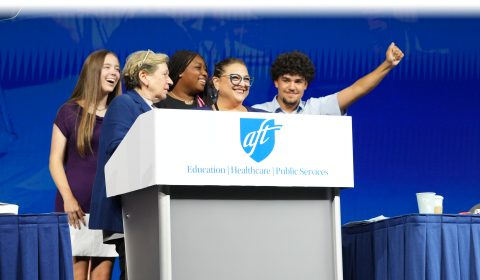
The American Federation of Teachers and its University of Michigan local were ordered to hand over membership rolls and meeting minutes dating to 2023.

Overview

Updated 1 hour ago

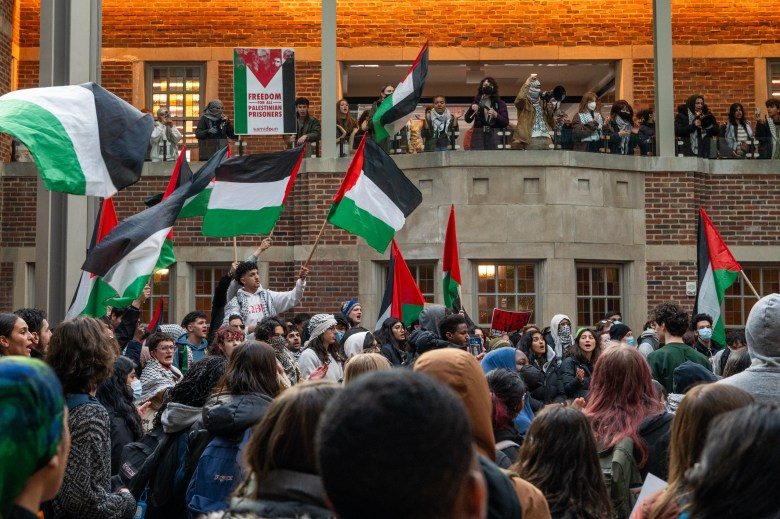
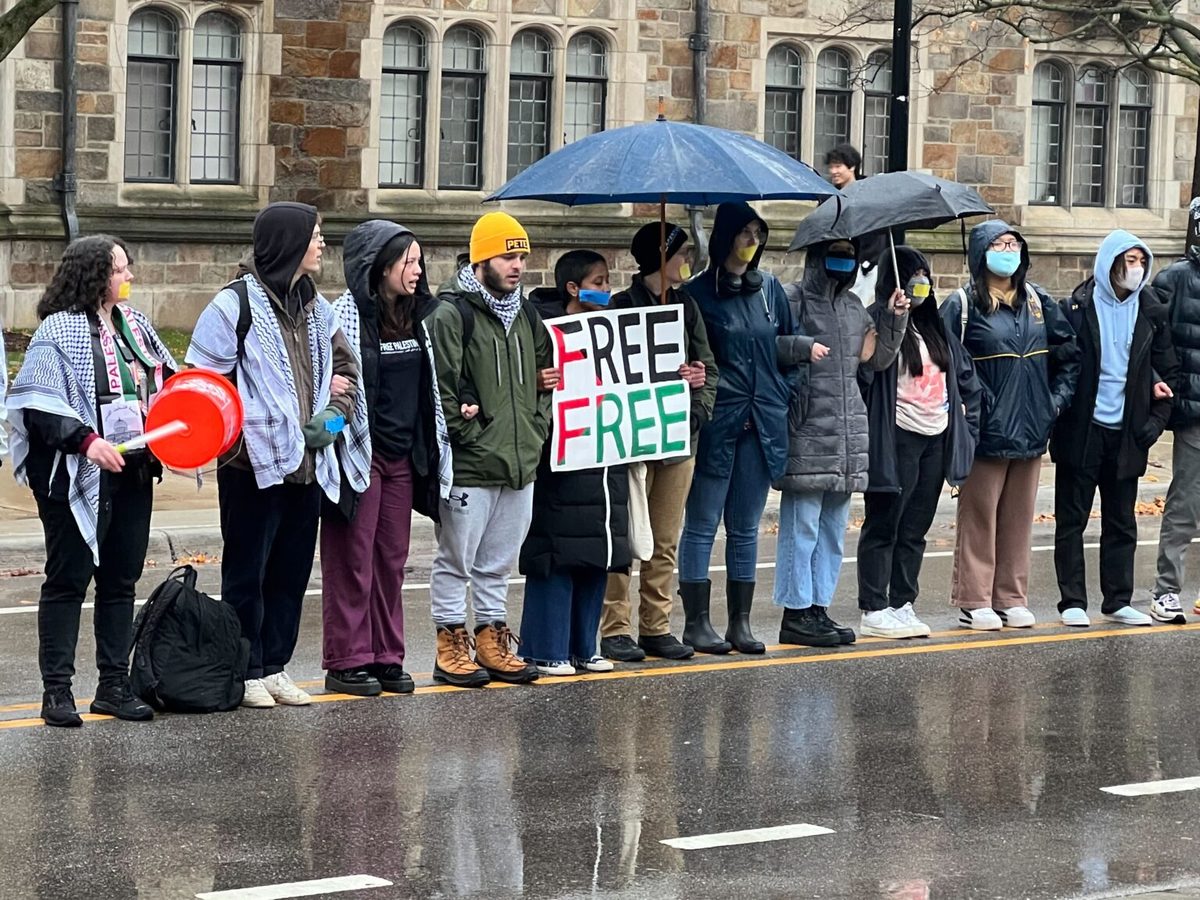
A federal grand jury has ordered the American Federation of Teachers and its University of Michigan local to turn over complete membership lists, officer payroll records, and meeting minutes dating to January 2023. The subpoenas are part of the Justice Department's case against pro-Palestine protesters at the university.

The demand reaches past the dozen activists charged. It asks a 1.7-million-member union for the names of people who may never be accused of anything, and it lands while the local union is already fighting its own subpoena in court.

Why it matters

A grand jury can compel a union to name every member who attended a meeting, turning routine organizing records into a map of political activity.

Questions about this story

Free account needed to ask — your question is kept and asked for you right after sign-up. Answers are public.

No questions yet — be the first to ask.

Key Indicators

1.7 million
AFT members
The national union's membership, according to The Intercept.
3,000+
AFT local chapters
Locals across the country, including GEO at the University of Michigan.
12
Activists charged
Pro-Palestine protesters facing felony charges in the Michigan case, per The Intercept.

Voices

Curated perspectives — historical figures and your fellow readers.

Sign up to generate historical perspectives on this story.

People Involved

Organizations Involved

Timeline

2024 November 2026

8 events Latest: Today
Tap a bar to jump to that date
  1. GEO discloses AFT subpoena

    Statement

    GEO said AFT would not respond until GEO's motion to quash is decided.

  2. University recruits state attorney general

    Escalation

    After local prosecutors dismissed most charges against student protesters, the university asked Michigan's attorney general to bring state charges.

Scenarios

1

Judge quashes the GEO subpoena

Possible Resolves by Q1 2027

Discussed by: GEO attorneys and labor-side legal observers

A federal judge grants GEO's motion to quash, finding the subpoena defective or overbroad. That would undercut the parallel AFT demand, which the union has said it will not answer until the GEO motion is decided.

2

Unions hand over full membership rolls

Possible Resolves by Q2 2027

Discussed by: The Intercept and GEO statements

A court orders compliance, and AFT or GEO produces complete membership lists, officer records, and meeting minutes to federal prosecutors. GEO has said it will fight to protect member data, so this would require a court loss.

3

AFT negotiates a narrower subpoena

Uncertain Resolves by Q2 2027

Discussed by: Labor lawyers and union officials

Prosecutors narrow the demand, dropping membership rolls in exchange for a smaller set of financial or officer records. This would let AFT comply without exposing rank-and-file members.

4

Prosecutors bring new charges from union records

Unlikely Resolves by End of 2027

Discussed by: Civil-liberties groups critical of the probe

Records turned over by the unions identify additional people or communications, and prosecutors unseal new felony charges. This is the outcome critics of the subpoenas say the broad demand is designed to produce.

Historical Context

3 moments from history that rhyme with this story — and how they unfolded.

1956–1971

COINTELPRO (1956–1971)

The FBI ran a covert program to surveil, infiltrate, and disrupt political organizations, including civil rights groups, antiwar movements, and labor unions. Agents gathered membership lists and meeting records and passed them to employers and prosecutors.

Then

The program remained secret until activists broke into an FBI office in 1971 and leaked files.

Now

Congress investigated, and the FBI imposed internal limits on domestic surveillance. The episode became the standard reference for political intelligence-gathering.

Why this matters now

The current subpoenas seek the same kind of material COINTELPRO collected: who belongs, who attends meetings, and what was said.

1919–1920

Palmer Raids (1919–1920)

Federal agents under Attorney General A. Mitchell Palmer raided homes and meeting halls of suspected radicals, immigrants, and labor organizers, arresting thousands and deporting hundreds without trial.

Then

The raids were widely criticized after courts and officials found many arrests lacked evidence.

Now

The backlash helped establish due-process limits on federal enforcement and discredited the Justice Department's political surveillance for a generation.

Why this matters now

It shows how federal enforcement power aimed at political groups can outrun the evidence and later be reversed.

1947

Taft-Hartley anti-communist affidavits (1947)

The Taft-Hartley Act required union officers to sign affidavits that they were not communists before their unions could use the National Labor Relations Board. Unions that refused lost access to federal labor protections.

Then

Many unions complied, and some expelled left-wing officers to keep their NLRB access.

Now

The affidavits were repealed in 1959, but the episode set a precedent for tying union rights to political loyalty.

Why this matters now

It is the closest historical case of the federal government using a legal lever to force unions to disclose or disavow political affiliations.

Sources

(6)