
Pull to refresh
Logo
Turkey detains LGBTQ+ activists in nationwide raids tied to family-values push

Turkey detains LGBTQ+ activists in nationwide raids tied to family-values push

Force in Play

Police hit gay bars and association offices across 15 provinces under 'My Family is Safe' operation

Today: Nationwide raids on gay bars, homes, and association offices

Overview

Updated 1 hour ago

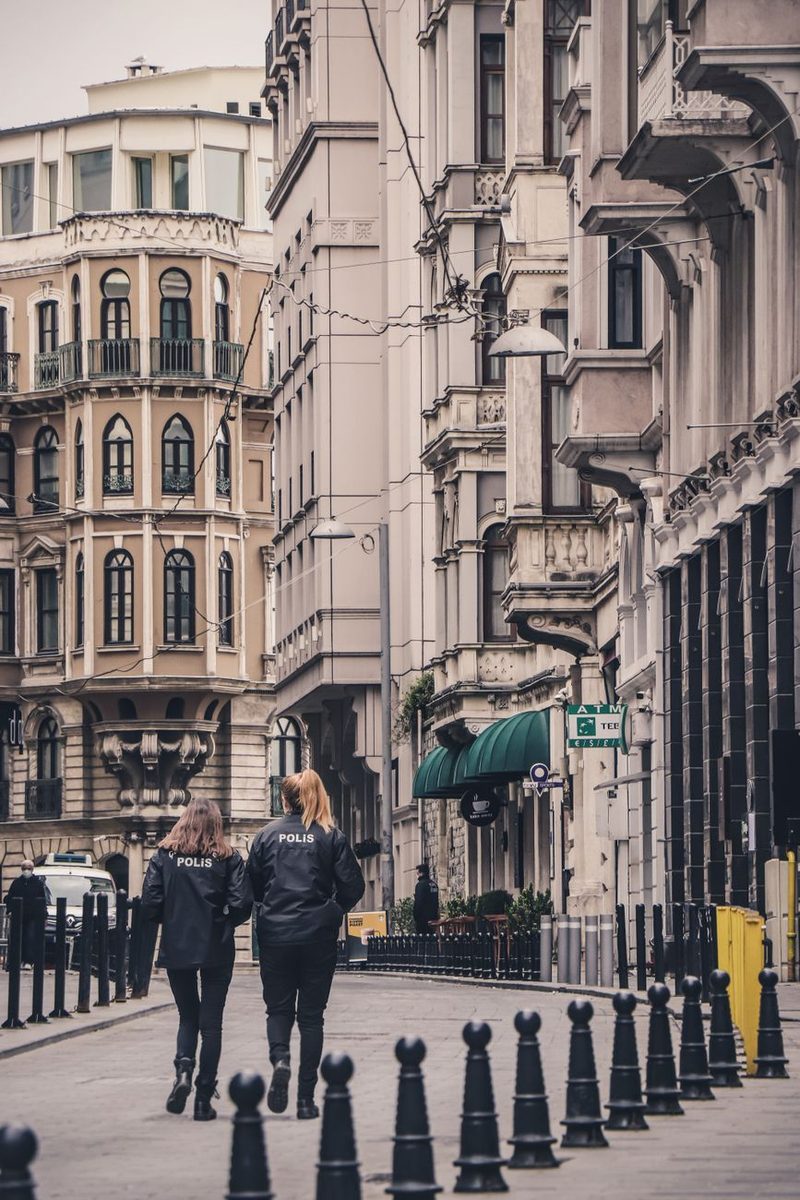
Turkish police detained 26 people and searched six LGBTQ+ association offices on Saturday, raiding gay bars, nightclubs, a men's hammam, and activists' homes across 15 provinces. Justice Minister Akin Gurlek said legal proceedings were underway against 162 suspects, nine associations, and 13 companies.

The operation, called "My Family is Safe," is the first nationwide legal assault on LGBTQ+ organizing under President Recep Tayyip Erdogan's "2026-2035 Family and Population Decade," a policy aimed at boosting birth rates. Authorities also blocked more than a dozen LGBTQ+ websites and social media accounts the day before the raids.

Why it matters

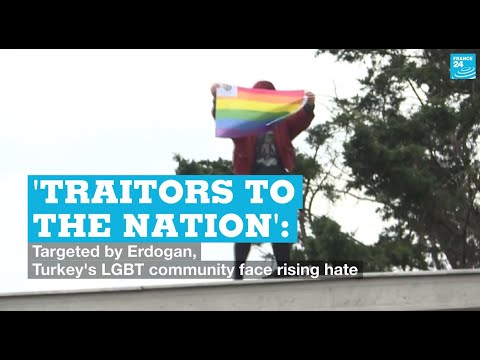
Turkey's first coordinated state campaign against LGBTQ+ groups under the family-decade policy could criminalize queer organizing nationwide and set precedent for closing civil society groups.

Questions about this story

Free account needed to ask — your question is kept and asked for you right after sign-up. Answers are public.

No questions yet — be the first to ask.

Key Indicators

162
Suspects facing legal proceedings
Justice Minister Gurlek said proceedings target 162 suspects, 9 associations, and 13 companies.
26
Detained in Istanbul-centered sweep
Istanbul prosecutors said 26 of 38 suspects were detained across 12 provinces in that operation.
15
Provinces covered by raid operations
Police and gendarmerie units carried out raids jointly across 15 provinces, including Istanbul and Ankara.
6
LGBTQ+ association offices searched
Istanbul-centered investigation targeted six LGBT associations; Kaos GL's board members were detained.
15+
Websites and social accounts blocked
Istanbul court blocked access to Kaos GL and other LGBTQ+ sites and accounts on September 12.

Voices

Curated perspectives — historical figures and your fellow readers.

Ever wondered what historical figures would say about today's headlines?

Sign up to generate historical perspectives on this story.

People Involved

Organizations Involved

Timeline

3 events Latest: Today
  1. Court orders blocking of LGBTQ+ websites and accounts

    Censorship

    Istanbul 7th Peace Judgeship decision no. 2026/9559 blocks Kaos GL, May 17 Association, SPoD, Lambdaistanbul, and about fifteen activist accounts. X enforces; Instagram does not.

Scenarios

1

Turkey moves to shut down LGBTQ+ associations

Likely Resolves by Q2 2027

Discussed by: Reuters, Turkiye Today reporting on Justice Ministry statements

Prosecutors in Ankara and Istanbul build closure cases under the obscenity and foreign-funding angles. MASAK's funding examination provides supporting evidence. If courts order closures, the 'Decade of Family' framework converts from rhetorical hostility to administrative elimination of queer organizations.

2

Detained activists face obscenity and prostitution trials

Likely Resolves by Q1 2027

Discussed by: Reuters, Cyprus Mail coverage of prosecutor statements

Istanbul prosecutors file formal charges against the 26 detainees for forming a criminal organization, prostitution facilitation, and obscenity. Convictions would carry prison terms and set a legal precedent criminalizing queer venue operation and advocacy under family-protection statutes.

3

International pressure forces release without charges

Unlikely Resolves by Jan 31, 2027

Discussed by: Kaos GL statements; Council of Europe and EU reactions

European governments and human rights bodies condemn the raids, citing Turkey's obligations under the European Convention on Human Rights. If diplomatic pressure mounts through the Council of Europe or the EU accession process, prosecutors may release detainees without charges while keeping the operation's legal framework intact for future use.

Historical Context

3 moments from history that rhyme with this story — and how they unfolded.

June 2013

Russia's 'gay propaganda' law (2013)

Russia's parliament passed a law banning 'propaganda of non-traditional sexual relations' to minors, criminalizing positive LGBTQ+ visibility in public spaces and online. The law triggered a wave of raids, fines, and detentions of activists and venue operators across the country.

Then

LGBTQ+ events were cancelled, venues closed, and activists faced fines and administrative detention within months.

Now

The law normalized state hostility toward LGBTQ+ people and enabled later restrictions, while international criticism did little to reverse enforcement.

Why this matters now

Turkey's operation uses similar legal machinery: an obscenity statute applied to content 'accessible to children,' paired with administrative closure of venues and associations. The Russian precedent suggests legal frameworks, once established, persist despite international condemnation.

June 2015-June 2026

Turkey's Istanbul Pride bans (2015-2026)

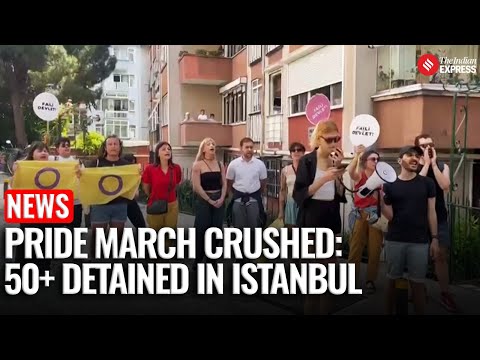
Istanbul's annual Pride march, which drew up to 100,000 participants in 2014, was banned by the governor's office starting in 2015. Police used water cannons, tear gas, and detentions to disperse those who gathered anyway. The bans became routine, with authorities citing public order and safety concerns.

Then

Pride events shrank from mass gatherings to small, heavily policed actions or moved indoors.

Now

The decade of bans established that public queer visibility would not be tolerated, which made the September 2026 raids a logical escalation, moving from restricting events to criminalizing organizations.

Why this matters now

The Pride ban precedent shows how Turkish authorities incrementally closed public LGBTQ+ space, then moved to association offices and funding structures. The current operation extends a pattern already normalized over eleven years.

September 2017

Egypt's rainbow flag arrests (2017)

Egyptian police arrested dozens of people after rainbow flags were raised at a Cairo concert by the band Mashrou' Leila. State media launched a moral panic campaign, and authorities used public decency and morality laws to detain attendees and label LGBTQ+ rights a foreign import.

Then

Detainees were held, some for months, amid a nationalist media campaign framing LGBTQ+ visibility as cultural imperialism.

Now

The episode cemented a regional pattern where states invoke decency statutes and foreign-funding accusations to criminalize queer organizing without formally outlawing homosexuality.

Why this matters now

Turkey's operation repeats the Egyptian playbook: morality law, foreign-funding suspicion, and nationalist framing. The parallel suggests the Turkish campaign's durability depends on whether foreign funding ties stick in court.

Sources

(5)