


Pull to refresh
Logo
Hungary's parliament scraps Orban-era anti-LGBTQ provisions

Hungary's parliament scraps Orban-era anti-LGBTQ provisions

Rule Changes

First major reversal of Orban's social agenda since the 2026 election; EU releases €4.2 billion in frozen funds

Yesterday: Parliament passes repeal; EU unfreezes funding

Overview

Updated 1 hour ago

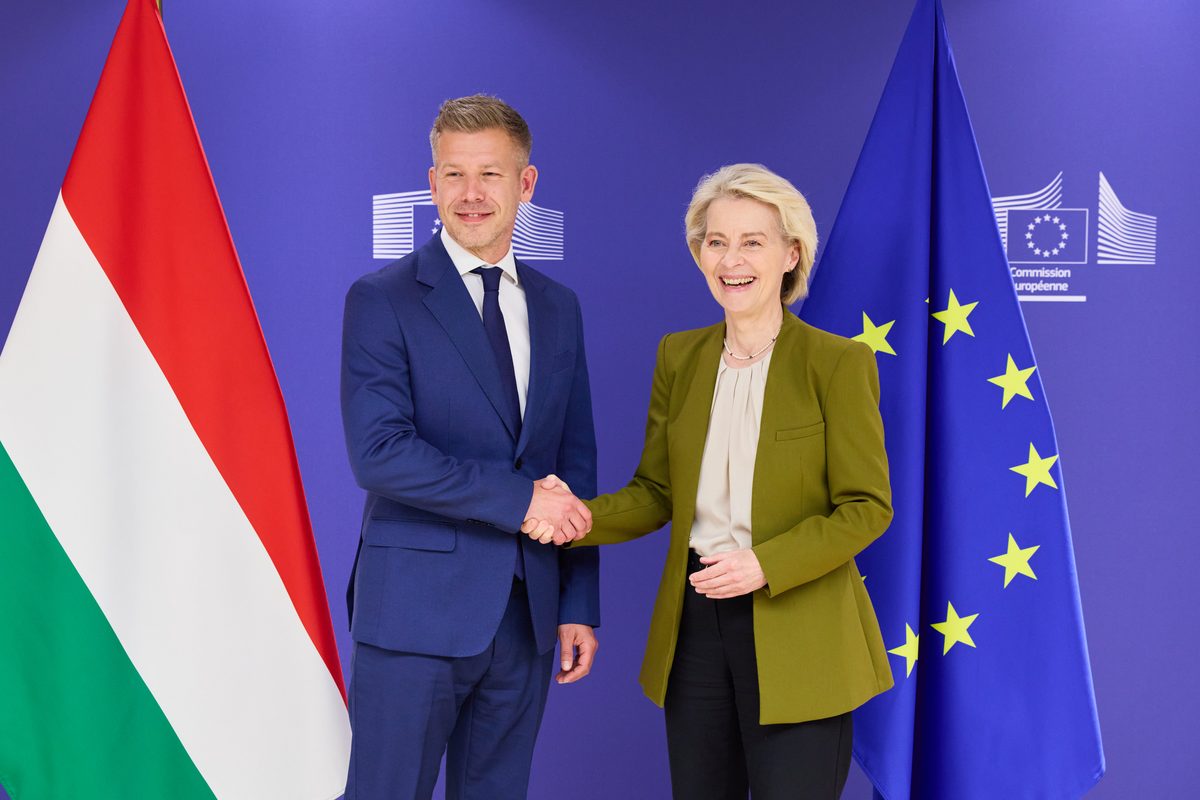
Hungary's parliament voted 139 to 51 on October 13 to strip anti-LGBTQ provisions from a 2021 'child protection' law. It's the first significant reversal of Viktor Orban's social agenda since he lost power in April.

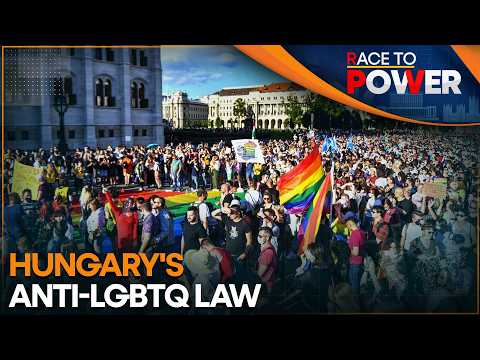
The 2021 law banned the 'portrayal or promotion' of homosexuality in content accessible to children. The European Court of Justice ruled in April that the law violated EU treaties. Minutes after the vote, the EU agreed to release €4.2 billion in frozen funding.

Why it matters

The repeal unlocks €4.2 billion in EU funding and tests whether Hungary's new government will fully untangle Orban's illiberal legal legacy.

Questions about this story

Free account needed to ask — your question is kept and asked for you right after sign-up. Answers are public.

No questions yet — be the first to ask.

Key Indicators

€4.2 billion
EU funding released after the vote
The European Commission agreed to unfreeze the funds within minutes of the parliamentary vote.
139
Lawmakers voting for the repeal (51 against)
The governing Tisza party's two-thirds majority carried the amendment.
€0.5–0.6 billion
Cohesion funds still frozen
Roughly €0.5–0.6 billion in cohesion funding remains blocked as a 'horizontal condition' of the case, per Hungarian outlet Telex.

Voices

Curated perspectives — historical figures and your fellow readers.

Ever wondered what historical figures would say about today's headlines?

Sign up to generate historical perspectives on this story.

People Involved

Organizations Involved

Timeline

2021 October 2026

7 events Latest: Yesterday
Tap a bar to jump to that date
  1. Parliament passes repeal; EU unfreezes funding

    Latest Legislation

    Lawmakers vote 139–51 to strip anti-LGBTQ provisions; EU agrees to release €4.2 billion.

  2. Government submits repeal bill

    Legislation

    Tisza government introduces legislation to remove the anti-LGBTQ provisions.

  3. Magyar takes office as prime minister

    Political

    Peter Magyar forms government and promises to dismantle Orban-era structures.

  4. Orban loses the election

    Election

    Viktor Orban's Fidesz loses; Peter Magyar's pro-EU Tisza party wins a two-thirds majority.

  5. Parliament passes 'child protection' law

    Legislation

    Fidesz majority passes a law banning 'portrayal or promotion' of homosexuality in content for children.

Scenarios

1

Hungary amends constitution and family law, completing the reversal

Possible Resolves by End of 2027

Discussed by: Human Rights Watch, Hungarian Helsinki Committee, Hungarian Civil Liberties Union, Háttér Society, Amnesty International Hungary

Rights groups welcomed the October vote but noted that section 5/A of the Family Protection Act and Article XVI of the Fundamental Law still carry anti-LGBTQ restrictions, and the Freedom of Assembly Act is still used to restrict Pride. Magyar's two-thirds majority gives him the votes to amend all of them. If he pushes the repeal through, Hungary would approach full alignment with the EU ruling.

2

Repeal stops at child protection law; Pride restrictions stay

Possible Resolves by Aug 31, 2027

Discussed by: Human Rights Watch; Hungarian civil liberties groups

The government delivers the minimum needed to satisfy the Court of Justice and unlock EU funds but leaves the constitution, the Family Protection Act, and the assembly rules unchanged. The 2027 Budapest Pride season becomes the test: organizers may again face restrictions or a ban under the Orban-era assembly rules that HRW says remain in place.

3

EU clears the remaining frozen cohesion funds

Likely Resolves by Q2 2027

Discussed by: DW, BBC, Brussels Signal

The child protection repeal was the main legal obstacle to unblocking funds, per Brussels Signal. Roughly €0.5–0.6 billion in cohesion funding still sits frozen as a 'horizontal condition' of the infringement case, according to Telex. If the Commission deems the repeal sufficient, it could release the balance and close the enforcement file.

Historical Context

2 moments from history that rhyme with this story — and how they unfolded.

December 2023 – 2024

Poland's post-PiS EU funds release (2023–2024)

Law and Justice (PiS) lost power in December 2023, and Donald Tusk's coalition began reversing judicial overhauls that had put Poland in conflict with the EU. Brussels had frozen billions in recovery and cohesion funds over the dispute.

Then

Poland's new government unlocked most of the frozen money through 2024 as it reversed the judicial changes.

Now

The episode established EU funds as the bloc's main lever over member-state rule-of-law backsliding — the same lever still sitting on Hungary's table.

Why this matters now

Like Poland, Hungary's new government is trading legal reversals for EU cash. Poland's fix took over a year and required sustained pressure — a template for how far Hungary's repeal may go.

December 2022

EU's first use of the rule-of-law conditionality mechanism (December 2022)

The European Commission froze EU cohesion funds for Hungary — the first application of its new rule-of-law conditionality regulation. The freeze ran alongside the infringement case over the 2021 child protection law.

Then

Hungary submitted repeated concessions to unlock the money, but the child protection case remained an unresolved 'horizontal condition' into October 2026.

Now

Hungary became the test case for the conditionality mechanism, and the CJEU's April 2026 ruling — a first-ever standalone breach of EU core values — hardened the EU's legal position.

Why this matters now

That unprecedented court finding is the legal basis now forcing the repeal underway.

Sources

(9)