
Pull to refresh
Logo
Senegal arrests hundreds of LGBTQ+ people under toughened anti-gay law

Senegal arrests hundreds of LGBTQ+ people under toughened anti-gay law

Rule Changes

Parliament doubled the maximum sentence for same-sex relations to 10 years; a Human Rights Watch report finds forced HIV testing and people going into hiding

3 days ago: Guardian reports people going into hiding

Overview

Updated 1 hour ago

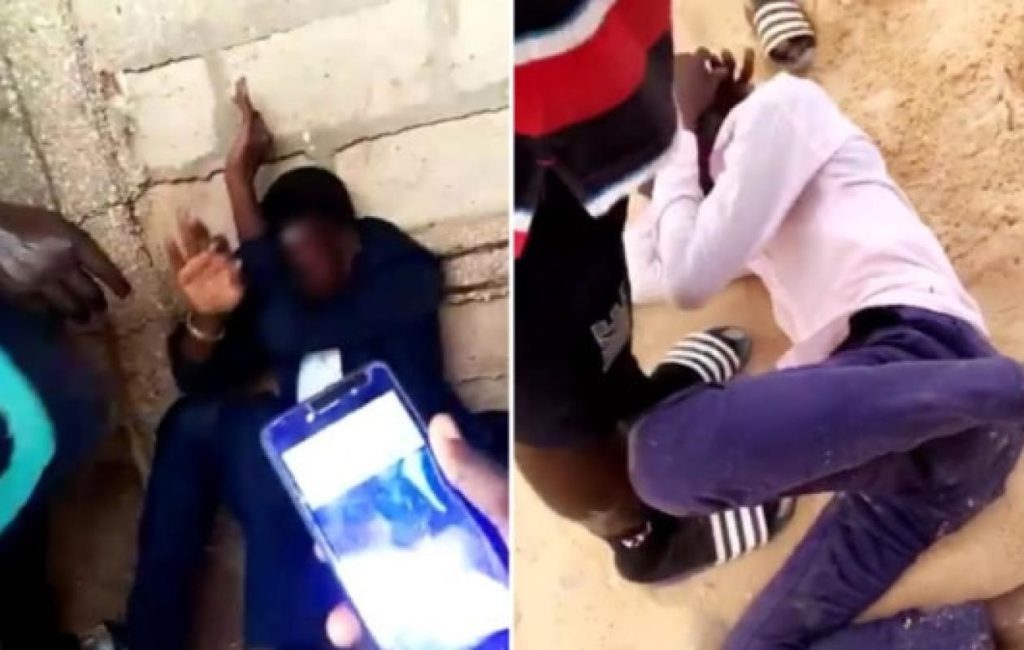
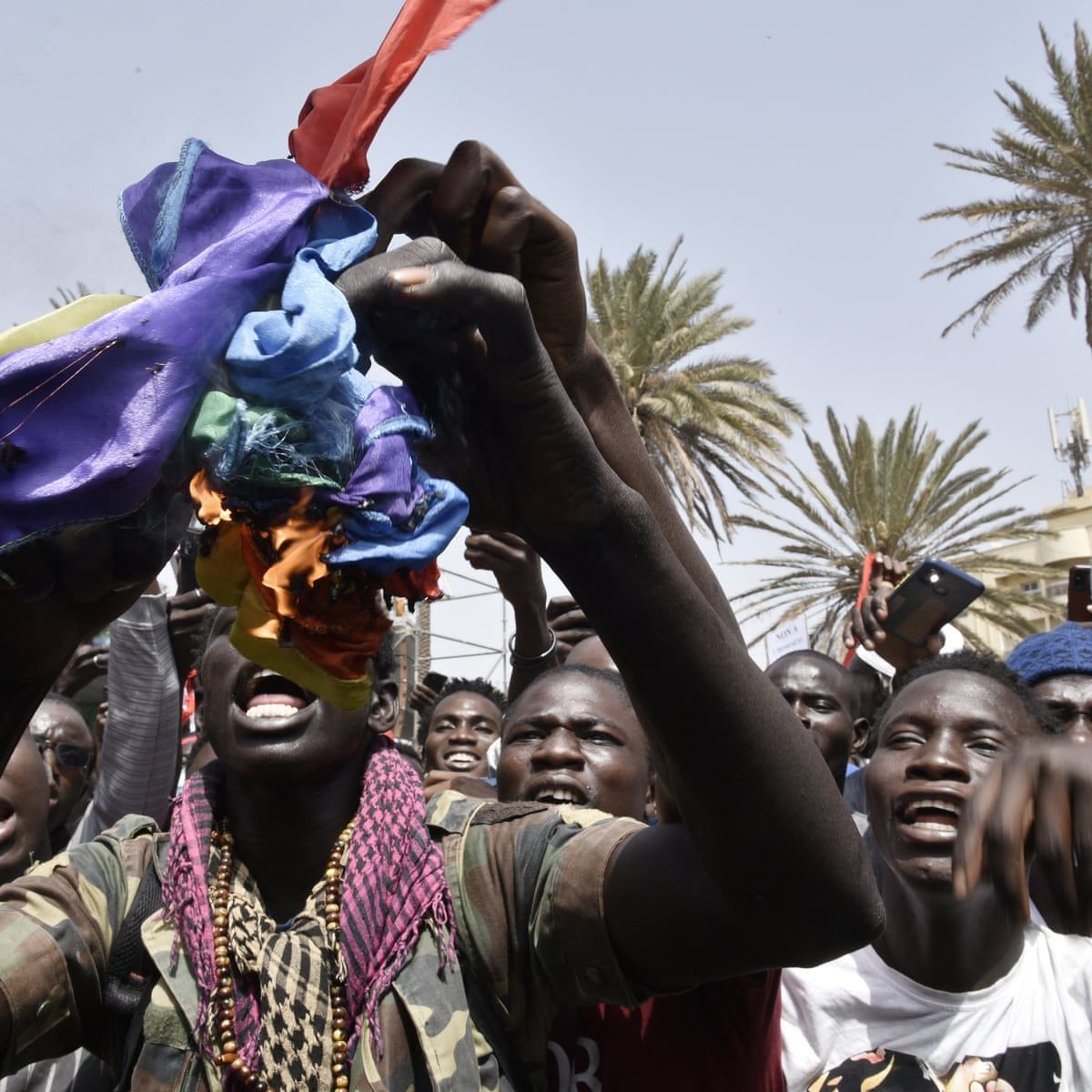
Senegal's parliament voted 135 to 0 on March 11 to double the maximum prison sentence for consensual same-sex relations to 10 years and to criminalize promoting or financing LGBTQ+ people. Since February, security forces have arrested hundreds of people across the country, according to rights groups.

A Human Rights Watch report published October 12 documents forced HIV testing, arrests based on seized phone data, leaked case files, and lawyers refusing to represent the accused. Fear of arrest has pushed people into hiding and away from HIV clinics; one doctor said a third of patients stopped coming for treatment.

Why it matters

Senegal hosts the Youth Olympics this month under a charter that bars discrimination, and the arrests are pushing people away from HIV treatment.

Questions about this story

Free account needed to ask — your question is kept and asked for you right after sign-up. Answers are public.

No questions yet — be the first to ask.

Key Indicators

355+
Arrests since early February
HIV Justice Network monitoring figure; RADDHO counted at least 212 between February and July.
10 years
Maximum sentence for same-sex relations
Doubled from 5 years by the March 11 amendment to article 319 of the penal code.
97
Charged with voluntary HIV transmission
Charged solely on the basis of HIV status; a court dismissed these charges in August for one case group.
135-0
Parliamentary vote to toughen the law
March 11 vote on the amendment, with three abstentions.

Voices

Curated perspectives — historical figures and your fellow readers.

Ever wondered what historical figures would say about today's headlines?

Sign up to generate historical perspectives on this story.

People Involved

Organizations Involved

Timeline

December 2025 October 2026

7 events Latest: 3 days ago
Tap a bar to jump to that date
  1. Guardian reports people going into hiding

    Latest Report

    Guardian reports LGBTQ+ people going into hiding as arrests pass 320 since February, citing the HRW findings.

  2. Human Rights Watch publishes report

    Report

    Report documents forced HIV testing, leaked case files, lawyers refusing cases, and people going into hiding.

Scenarios

1

Crackdown Deepens as Trials Convict More

Possible Resolves by Mar 11, 2027

Discussed by: Human Rights Watch and local rights groups

Prosecutors have added charges like criminal association, drug trafficking, and deliberate HIV transmission to extend pretrial detention. The 71 defendants referred to trial in August are the test case. Judges have been told not to suspend sentences below the minimum, and lawyers say few colleagues will take these cases, so convictions are likely to stick.

2

International Pressure Spurs Partial Rollback

Unlikely Resolves by End of 2026

Discussed by: Human Rights Watch, citing the Olympic Charter

Senegal hosts the Youth Olympics at the end of October under a charter that bars discrimination. That invites scrutiny from the International Olympic Committee and foreign governments. But the amendment passed 135 to 0 with no major party calling for repeal, so rollback would likely require sustained foreign pressure, as seen in Uganda.

3

HIV Charges Collapse, Easing Detentions

Possible Resolves by Q2 2027

Discussed by: HIV Justice Network

The August court ruling dismissed 'deliberate HIV transmission' charges and freed 28 people from the 99-person case. If courts repeat that pattern, HIV status would stop being used to pile on charges. Health workers say that would ease the public health toll, since patients are currently avoiding clinics for fear of forced testing and disclosure.

Historical Context

2 moments from history that rhyme with this story — and how they unfolded.

January 2014

Nigeria's Same-Sex Marriage (Prohibition) Act (2014)

Nigeria's president signed the law in January 2014, banning same-sex marriage, same-sex relationships, and 'public show of same-sex amorous relationships.' It also criminalized running or supporting gay rights organizations, with up to 14 years in prison.

Then

Police arrested dozens of people and raided gatherings; some foreign donors withheld aid in response.

Now

The law remains in force more than a decade later, though enforcement has been uneven across states.

Why this matters now

Nigeria's law was the first major West African template for criminalizing support for LGBTQ+ people, the same mechanism Senegal's March amendment adopts.

May 2023 - April 2024

Uganda's Anti-Homosexuality Act (2023)

Uganda's parliament passed the law in March 2023 and the president signed it in May. It imposed the death penalty for 'aggravated homosexuality' and up to 20 years for promoting same-sex relations.

Then

The World Bank suspended new lending and the U.S. imposed visa restrictions and targeted sanctions; arrests rose.

Now

Uganda's Constitutional Court upheld the law in April 2024 but voided provisions that forced landlords to report tenants, showing international pressure can chip the edges without repeal.

Why this matters now

It shows how 'promotion' clauses chill civil society and how foreign pressure yields only partial rollback, a possible model for Senegal's path.

Sources

(5)