


Pull to refresh
Logo
U.S. natural gas production hits record high as Permian pipelines open

U.S. natural gas production hits record high as Permian pipelines open

Built World

Gross withdrawals reached 137 billion cubic feet per day in July as new pipelines clear the way to LNG export terminals.

3 days ago: EIA announces July production record

Overview

Updated Yesterday

U.S. natural gas production set a record in July 2026, with gross withdrawals reaching 137 billion cubic feet per day. It's the first monthly high of 2026, following five record months in 2025.

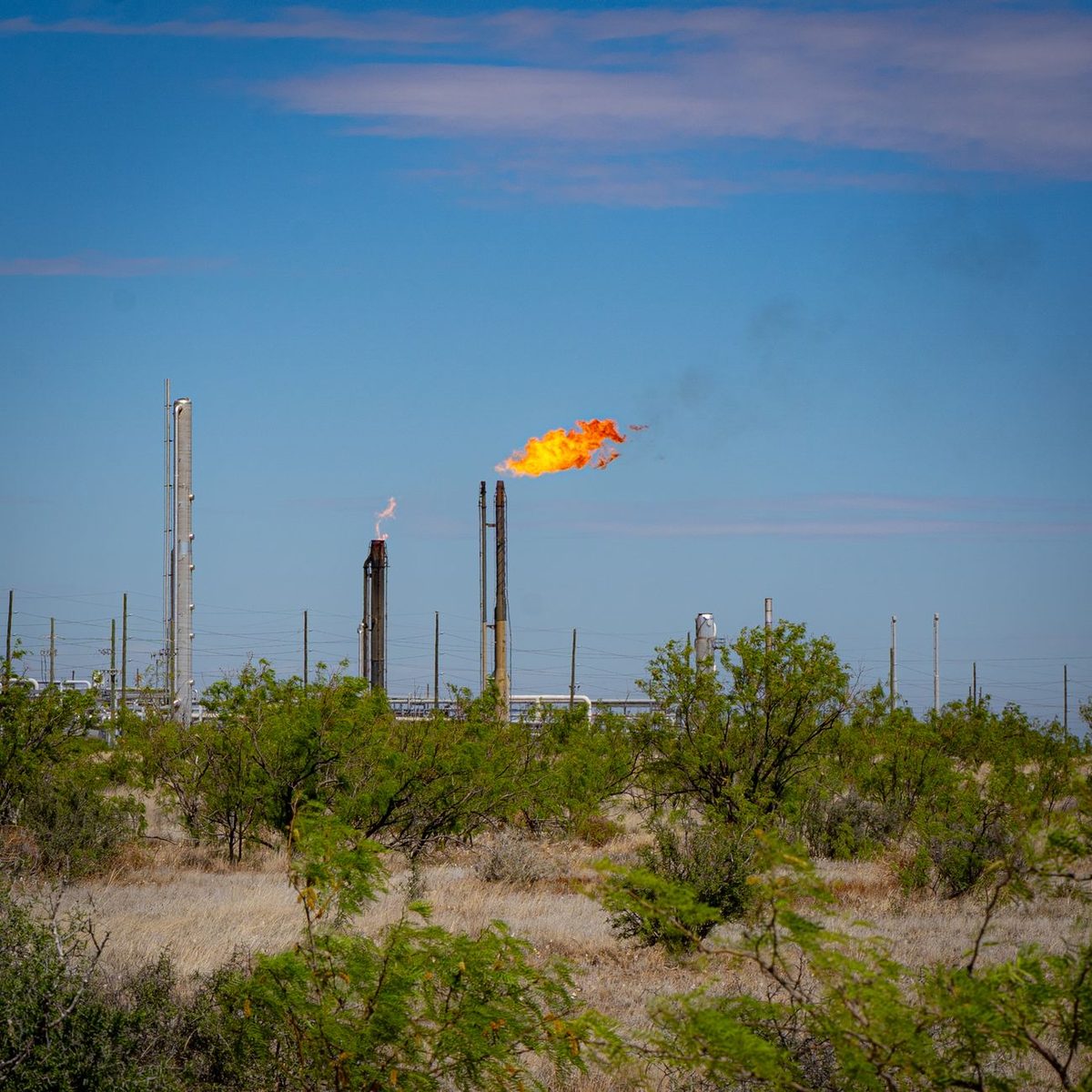
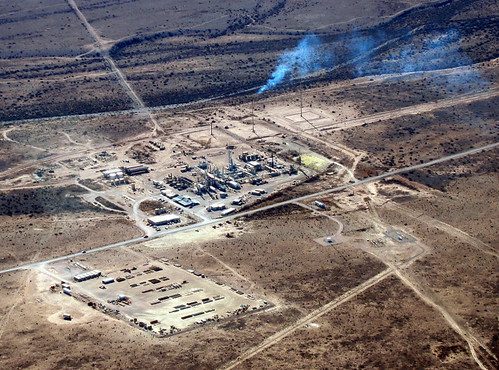
New pipelines are the reason. The Hugh Brinson Pipeline began interstate flows ahead of schedule this summer, easing long-standing bottlenecks that had trapped gas in Texas and giving producers a route to Gulf Coast liquefied natural gas export terminals. Texas and New Mexico output rose by 1.7 billion cubic feet per day in July alone.

The extra supply is arriving just before winter. Gas prices sit near $3 per million British thermal units, about a fifth of the energy-equivalent price of crude oil, and storage is above the five-year average. That combination holds down heating and power costs and pressures gas-focused producers, who are drilling in the Permian mainly for oil.

Why it matters

Record gas supply heading into winter keeps U.S. prices near $3 per million Btu, about a fifth of what oil's energy costs.

Questions about this story

Free account needed to ask — your question is kept and asked for you right after sign-up. Answers are public.

No questions yet — be the first to ask.

Key Indicators

137 Bcf/d
Record July 2026 gross withdrawals
Total gas pulled from all U.S. wells in July 2026, an all-time high.
~5x
Oil-to-gas energy-equivalent price ratio
Crude at $92.21 per barrel vs gas at $3.09 per million Btu, on an energy basis.
79 Bcf
Storage above five-year average on Sept 25
Working gas in storage totaled 3,415 Bcf after a 64 Bcf weekly injection.
1.7 Bcf/d
Texas & New Mexico monthly gain
Combined gross-withdrawal increase from June to July 2026, up 3.2%.

Voices

Curated perspectives — historical figures and your fellow readers.

Ever wondered what historical figures would say about today's headlines?

Sign up to generate historical perspectives on this story.

Organizations Involved

Timeline

December 2025 October 2026

5 events Latest: 3 days ago
Tap a bar to jump to that date
  1. EIA announces July production record

    Latest Report

    Today in Energy published the record 137 Bcf/d figure from the Natural Gas Monthly, noting new pipelines eased bottlenecks.

  2. Storage sits 79 Bcf above five-year average

    Supply

    Working gas in storage reached 3,415 Bcf after a 64 Bcf weekly injection, ahead of the heating season.

  3. Hugh Brinson Pipeline starts flows

    Infrastructure

    The pipeline began interstate flows ahead of schedule, adding takeaway capacity from the Permian to Gulf Coast LNG terminals.

  4. Gross withdrawals hit record 137 Bcf/d

    Production

    July set the first monthly record of 2026, led by new Permian wells in Texas and New Mexico.

  5. Five monthly records set in 2025

    Production

    Gross withdrawals hit new monthly highs in five separate months of 2025 as gas prices and well productivity rose.

Scenarios

1

Permian gas keeps climbing to fresh records

Likely Resolves by Feb 1, 2027

Discussed by: EIA cites new wells and pipeline takeaway; The Company Chronicle notes Permian output grows on oil drilling economics

Associated gas from oil wells keeps rising as the basin matures, and new Gulf Coast pipeline capacity clears a path to LNG export terminals. If another pipeline or terminal expansion comes online, gross withdrawals push past 137 Bcf/d in a later month of 2026.

2

Record supply pins winter gas prices below the norm

Likely Resolves by Apr 30, 2027

Discussed by: The Company Chronicle and the EIA storage report, showing supply 79 Bcf above the five-year average

Storage is comfortable and production sits at records, so winter heating demand may not be enough to spike prices. Henry Hub stays restrained even during January cold snaps.

3

Pipeline and export constraints return, growth stalls

Possible Resolves by Jul 1, 2027

Discussed by: EIA names takeaway capacity as the key variable supporting continued production growth

Growth depends on Gulf Coast LNG terminals taking more gas, plus new pipe to reach them. Any delay in terminal or pipeline schedules could cap production and widen the gap between record output and what can actually be exported.

Historical Context

3 moments from history that rhyme with this story — and how they unfolded.

2008–2012

Marcellus Shale gas boom (2008–2012)

Hydraulic fracturing opened the Marcellus formation under Pennsylvania and West Virginia, which went from negligible output to about a third of U.S. production in a few years. Supply flooded the market and dragged Henry Hub below $2 per million Btu in 2012.

Then

A gas glut cut prices sharply and squeezed producers who had hedged on higher revenue.

Now

Cheap gas drove a coal-to-gas switch in power generation and built the case for LNG export terminals.

Why this matters now

The same pattern is repeating: shale drilling plus pipeline buildout creates supply that outpaces domestic demand, pushing prices down and pushing exports up.

2018–2019

Permian oil pipeline bottleneck (2018–2019)

Permian oil pipelines filled to capacity, so West Texas crude sold at steep discounts to the Gulf Coast benchmark. Producers shut wells or flared gas they could not move until new takeaway pipelines arrived in 2019.

Then

The bottleneck capped Permian output and hammered regional prices for about two years.

Now

New pipeline capacity unleashed another wave of production growth once the pipe arrived.

Why this matters now

Infrastructure, not geology, set the ceiling on Permian output then. The same variable now determines how much gas can reach Gulf Coast LNG terminals.

February 2016

Sabine Pass opens, U.S. becomes a gas exporter (2016)

The first large-scale U.S. LNG export terminal began cargoes from Louisiana, tying domestic Henry Hub gas prices to overseas demand for the first time.

Then

Exports grew steadily year over year as more terminals came online.

Now

The U.S. became a leading LNG exporter, creating the demand pull that now makes record Permian output worth extracting.

Why this matters now

Gulf Coast LNG terminals are the destination for the gas flowing through the new pipelines that drove July's record.

Sources

(5)