


Pull to refresh
Logo
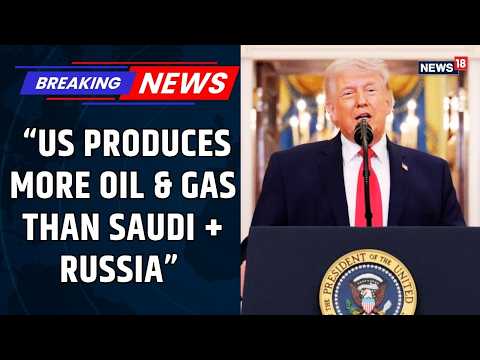
US overtakes Saudi Arabia as world's largest oil producer

US overtakes Saudi Arabia as world's largest oil producer

Built World

Shale boom pushes American crude output past Saudi Arabia and Russia for the first time in decades

August 1st, 2018: US solidifies top position

Overview

Updated 1 hour ago

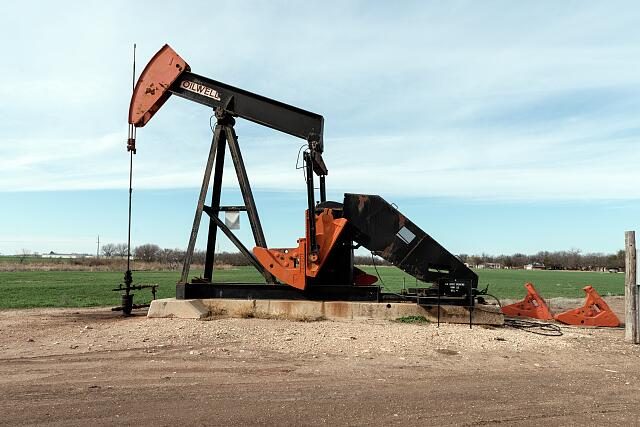
American oil production hit 10 million barrels a day in November 2017, a level not seen since 1970. By early 2018, the United States had overtaken Saudi Arabia and Russia to become the world's largest crude oil producer.

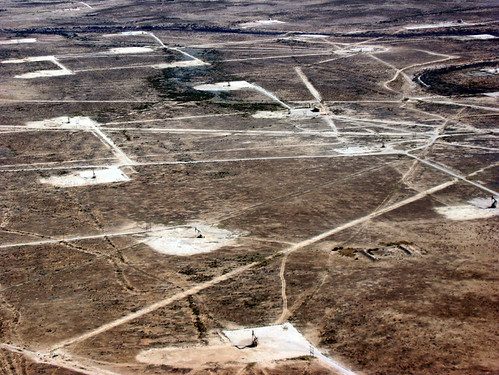
The shift came from hydraulic fracturing and horizontal drilling in shale formations, which unlocked oil trapped in tight rock. It ended nearly half a century of American production decline and gave the US a position in global energy markets it had not held since the 1970s.

Why it matters

US shale production now sets a floor under global oil prices, diluting OPEC's power to dictate energy costs.

Questions about this story

Free account needed to ask — your question is kept and asked for you right after sign-up. Answers are public.

No questions yet — be the first to ask.

Key Indicators

10.04M b/d
US crude oil production, November 2017
First time since 1970 that monthly US crude output surpassed 10 million barrels per day.
51%
US crude from tight rock formations
Share of total US crude production from shale and tight formations in November 2017.
7%
US crude from tight rock in 2008
A decade earlier, tight formations accounted for only 7% of US production.
60%
Growth in US petroleum and gas output since 2008
US petroleum and natural gas production increased by nearly 60% since 2008.

Voices

Curated perspectives — historical figures and your fellow readers.

Ever wondered what historical figures would say about today's headlines?

Sign up to generate historical perspectives on this story.

People Involved

Organizations Involved

Timeline

November 2008 August 2018

10 events Latest: August 1st, 2018 · 8 years ago
Tap a bar to jump to that date
  1. US solidifies top position

    Latest Milestone

    US solidifies position as world's largest crude oil producer.

  2. US surpasses Russia

    Milestone

    US crude production exceeds Russia for first time since February 1999.

  3. US surpasses Saudi Arabia

    Milestone

    US crude output surpasses Saudi Arabia for first time in over two decades.

  4. US ends year as top producer

    Milestone

    US ends year as world's top petroleum and natural gas producer.

  5. US crude tops 10 million b/d

    Milestone

    US crude production exceeds 10 million barrels per day, first time since 1970.

  6. OPEC+ formed

    Policy

    OPEC and non-OPEC producers agree to coordinated production cuts.

  7. Oil price bottom

    Market

    WTI bottoms at $30 per barrel as US shale production declines.

  8. OPEC defends market share

    Policy

    OPEC decides to defend market share, triggering oil price collapse.

  9. Oil price peak

    Market

    WTI crude peaks at $105 per barrel before shale-driven supply glut.

  10. Shale boom begins

    Milestone

    Tight oil accounts for 7% of US crude production as shale boom begins.

Scenarios

1

US crude production exceeds 14 million barrels per day

Likely Resolves by End of 2026

Discussed by: EIA Short-Term Energy Outlook

US shale production continues to grow, driven by the Permian Basin. EIA projects record output as drilling efficiency improves and infrastructure constraints ease.

2

US crude production plateaus between 12 and 14 million barrels per day

Possible Resolves by End of 2026

Discussed by: Various industry analysts

Shale well productivity declines and capital discipline limits growth. US production stabilizes as operators focus on returns rather than growth.

3

US crude production falls below 12 million barrels per day

Unlikely Resolves by End of 2026

Discussed by: Peak oil analysts

Shale plays mature and well productivity declines sharply. US production enters a structural decline as the best drilling locations are exhausted.

Historical Context

3 moments from history that rhyme with this story — and how they unfolded.

1970s

Saudi Arabia's rise to dominance (1970s)

After nationalizing Aramco and the 1973 oil embargo, Saudi Arabia became the world's dominant oil producer. The kingdom used its position as the swing producer to control global oil prices, cutting or increasing output to balance the market.

Then

Saudi Arabia gained enormous geopolitical influence and wealth from oil revenues.

Now

The kingdom's role as swing producer became the template for OPEC's market management.

Why this matters now

The US rise parallels Saudi Arabia's ascent but in reverse. The US is a price taker, not a price setter, and its production responds to market signals rather than political decisions.

1986

The 1986 oil price collapse

Saudi Arabia abandoned its swing producer role and flooded the market with oil, crashing prices from $27 to $10 per barrel. The move was designed to punish cheating OPEC members and regain market share.

Then

Oil prices collapsed, devastating high-cost producers and triggering a wave of bankruptcies.

Now

The episode demonstrated the limits of OPEC's power and the difficulty of managing prices through production cuts.

Why this matters now

The 1986 collapse parallels the 2014-2016 price crash, when OPEC again tried to defend market share against US shale. Both episodes show the cartel's struggle to control a market with many producers.

2014-2016

The 2014-2016 oil price crash

OPEC decided to defend market share against US shale by increasing production, crashing prices from $105 to $30 per barrel. The strategy was designed to bankrupt high-cost US shale producers.

Then

US shale production declined as prices fell, but the industry cut costs and became more efficient.

Now

US shale proved more resilient than expected, and OPEC's strategy backfired. By 2018, US production had surpassed OPEC's expectations.

Why this matters now

This is the direct precursor to the US overtaking Saudi Arabia. OPEC's attempt to crush US shale failed, and the US emerged as the world's largest producer.

Sources

(10)