
Pull to refresh
Logo
Ukraine's prosecutor general resigns amid call center corruption scandal

Ukraine's prosecutor general resigns amid call center corruption scandal

Rule Changes

Five days after raids reached his office, Ukraine's top prosecutor steps down and denies wrongdoing

Today: Kravchenko resigns

Overview

Updated 1 hour ago

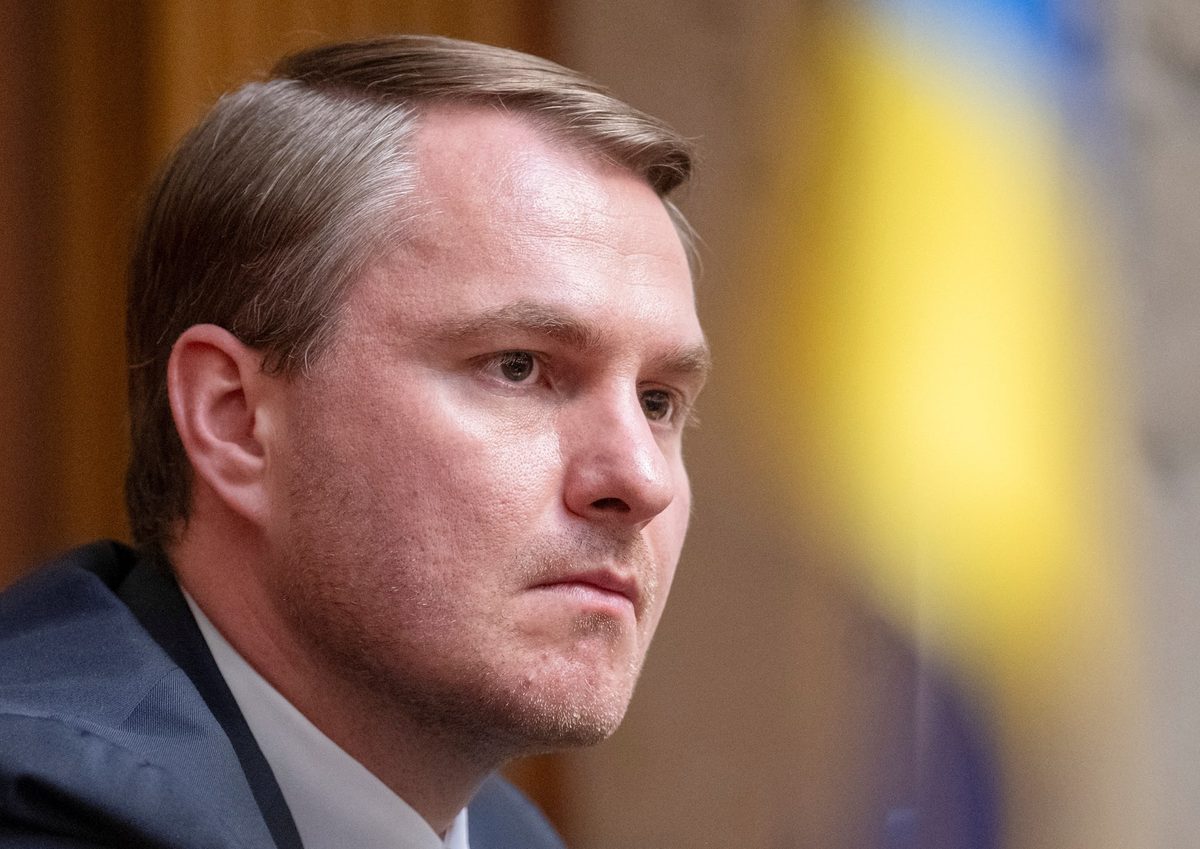
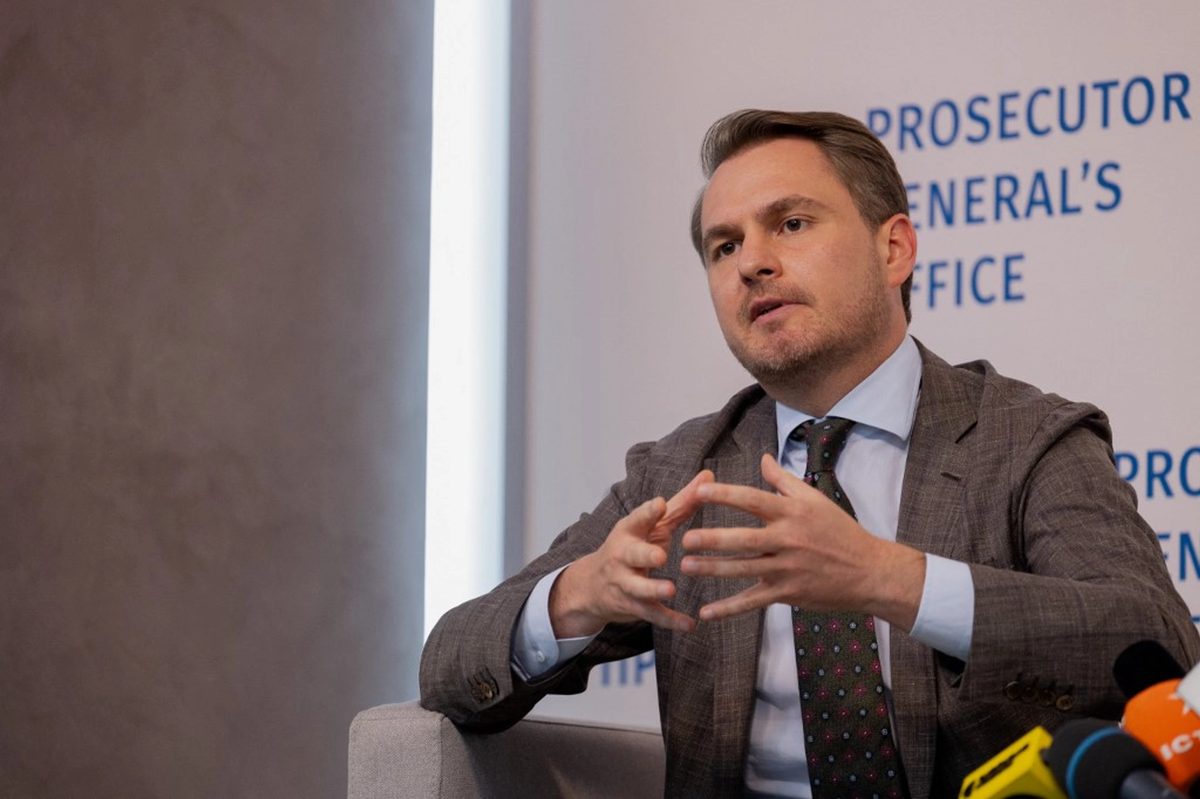
Ukraine's Prosecutor General Ruslan Kravchenko resigned on September 8, five days after anti-corruption investigators revealed a scheme that allegedly protected scam call centers. In his resignation letter he denied the allegations, saying he did not want his office "to be used as a tool in political confrontation."

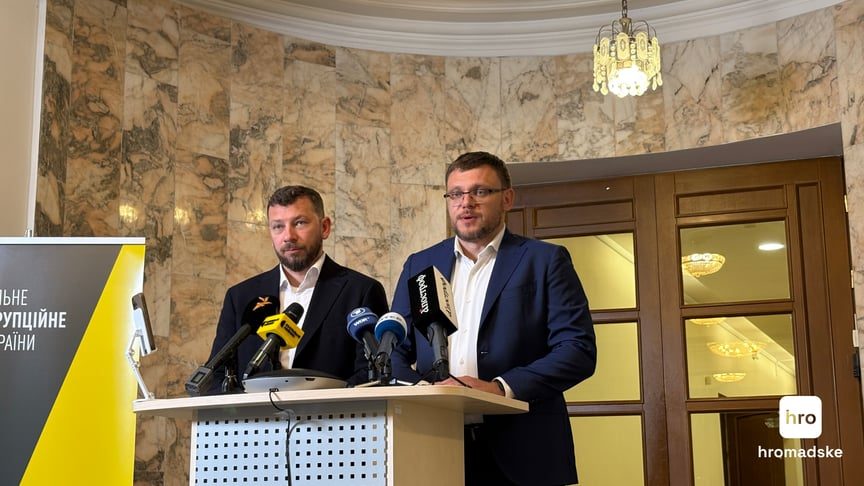
The case is the first in which Ukraine's Western-backed anti-corruption bodies have reached inside the prosecutor's office itself. NABU and SAPO were created after the 2014 Euromaidan protests to police senior graft independently of the traditional prosecutor's office. Whether they find Kravchenko personally involved decides if the resignation ends his career or merely interrupts it.

Why it matters

Ukraine's European Union membership bid and Western aid depend on whether anti-corruption bodies can take down a sitting prosecutor general.

Questions about this story

Free account needed to ask — your question is kept and asked for you right after sign-up. Answers are public.

No questions yet — be the first to ask.

Key Indicators

7
Prosecutors facing disciplinary action
Office of the Prosecutor General staff referred to the disciplinary commission after Operation Carthage.
120 million hryvnias
Bail set for Serhii Kropyva
The High Anti-Corruption Court set bail at 120 million hryvnias on September 6.
5 days
From scandal reveal to resignation
Operation Carthage was announced September 4; Kravchenko resigned September 8.

Voices

Curated perspectives — historical figures and your fellow readers.

Ever wondered what historical figures would say about today's headlines?

Sign up to generate historical perspectives on this story.

Play

Exploring all sides of a story is often best achieved with Play.

Most of these play right now — no account needed. Sign up to save scores, keep a streak, and unlock Debate and Predict. Log in Sign Up
Predict 3 ways this could play out. Back the one you believe — contrarian picks score more when a scenario has a resolution date. Log in to play

People Involved

Organizations Involved

Timeline

8 events Latest: Today
Tap a bar to jump to that date
  1. Kravchenko resigns

    Today Political

    Kravchenko resigns, denying allegations, saying office should not be a political tool.

  2. Parliament summons Kravchenko

    Statement

    Parliamentary law-enforcement committee summons Kravchenko to explain his link to Kropyva.

  3. Disciplinary actions ordered

    Statement

    Kravchenko refers seven prosecutors to disciplinary commission, orders polygraph tests.

  4. Kravchenko denies involvement

    Statement

    Kravchenko denies any connection to the scheme, calls allegations groundless on Telegram.

Historical Context

3 moments from history that rhyme with this story — and how they unfolded.

February 2015 - March 2016

Viktor Shokin dismissed as prosecutor general (2015-2016)

Shokin became prosecutor general in February 2015 as Ukraine's post-Euromaidan leadership consolidated. Within months, Western officials accused him of shielding corrupt officials and failing to pursue high-level cases. By early 2016, U.S. and EU pressure mounted, with then-Vice President Joe Biden among those urging his removal.

Then

Parliament voted no confidence and Shokin was dismissed in March 2016, replaced by Yuriy Lutsenko.

Now

Established that Ukraine's top prosecutor could be forced out over corruption allegations, often with decisive Western pressure.

Why this matters now

Echoes today's case: a prosecutor general driven from office amid corruption claims, with Ukraine's partners watching closely.

2015-2019

Ukraine's anti-corruption architecture built (2015-2019)

After Euromaidan, Ukraine built NABU (2015) and SAPO (2015) with Western backing, then added the High Anti-Corruption Court in 2019. These bodies were designed to police senior corruption in parallel with the traditional prosecutor's office. Rivalry between the two tracks has been constant.

Then

Parallel enforcement created overlapping authority and recurring clashes over jurisdiction.

Now

NABU, SAPO, and the court now function as a semi-independent counterweight to the prosecutor's office.

Why this matters now

Operation Carthage is the first major case in which these bodies have reached inside the prosecutor general's office itself.

August 2019 - March 2020

Ruslan Ryaboshapka ousted after six months (2019-2020)

Zelenskyy appointed Ryaboshapka, a reform-minded former asset-recovery official, as prosecutor general in August 2019. He lasted about six months. Tensions over his office's handling of corruption files and friction with other institutions led to his removal in March 2020.

Then

Removal six months after appointment showed the post's political volatility.

Now

Highlighted cycles where reformer prosecutors get consumed by institutional infighting.

Why this matters now

Reinforces that the prosecutor general post is unstable, with rapid turnovers common regardless of the incumbent's record.

Sources

(11)