

Pull to refresh
Logo
US withdraws from European anti-corruption watchdog GRECO

US withdraws from European anti-corruption watchdog GRECO

Rule Changes

Trump administration exits Council of Europe body, citing no 'tangible benefits' to US national security

Today: Council of Europe confirms U.S. exit

Overview

Updated 1 hour ago

The United States has formally withdrawn from the Group of States against Corruption (GRECO), the Council of Europe's anti-corruption watchdog. It is only the third country to leave the group since its founding in 1999, after Russia and Belarus.

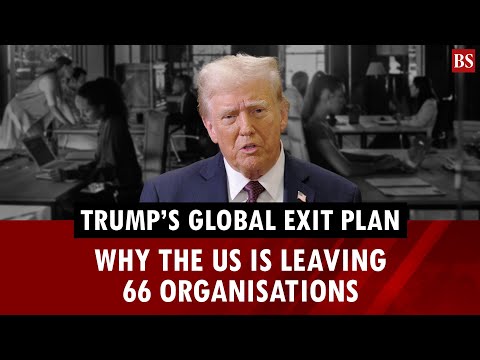
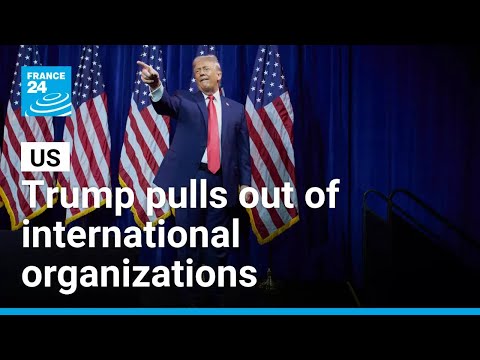
The State Department said U.S. participation "does not provide tangible benefits to U.S. national security" and dismissed the required annual contribution. The exit is the latest in a string of withdrawals from international bodies, including the World Health Organization, the UN Human Rights Council, and the Venice Commission.

Why it matters

A 26-year U.S. role in shared anti-corruption monitoring ends, leaving Europe's new enforcement regime to fill the gap.

Questions about this story

Free account needed to ask — your question is kept and asked for you right after sign-up. Answers are public.

No questions yet — be the first to ask.

Key Indicators

3
Countries to leave GRECO
U.S., Russia, and Belarus are the only departures since 1999.
26
Years of U.S. membership
Joined in 2000, a year after founding; exited in 2026.
4
International bodies exited under this administration
WHO, UN Human Rights Council, Venice Commission, and GRECO.

Voices

Curated perspectives — historical figures and your fellow readers.

Ever wondered what historical figures would say about today's headlines?

Sign up to generate historical perspectives on this story.

People Involved

Organizations Involved

Timeline

1999 September 2026

6 events Latest: Today
Tap a bar to jump to that date
  1. Council of Europe confirms U.S. exit

    Today Statement

    State Department says participation lacks tangible national security benefits.

  2. U.S. notifies GRECO of exit

    Withdrawal

    Formal withdrawal notification submitted to the Council of Europe.

  3. EU adopts anti-corruption directive

    Regulation

    EU Directive 2026/1021 sets minimum corruption rules for member states.

  4. U.S. exits Venice Commission

    Withdrawal

    U.S. withdraws from another Council of Europe panel, the constitutional advisory body.

  5. U.S. joins GRECO

    Membership

    United States joins a year after the group's founding.

  6. GRECO founded

    Founding

    Council of Europe creates GRECO to monitor anti-corruption compliance.

Scenarios

1

United States rejoins GRECO under a future administration

Possible Resolves by End of 2028

Discussed by: Council of Europe statement; analysts noting U.S. reversals of WHO and UNESCO exits

Should a future administration reverse the withdrawal policy, the U.S. could formally rejoin GRECO. The Council of Europe said it "remains open to resuming cooperation." U.S. history offers precedent — the country rejoined UNESCO in 2003 and the WHO in 2021 after earlier exits. The path depends on the outcome of the 2028 presidential election.

2

Europe fills the anti-corruption enforcement gap

Likely Resolves by Q2 2028

Discussed by: Just Security analysis of EU Directive 2026/1021

In April 2026 the EU adopted Directive 2026/1021, requiring member states to criminalize public- and private-sector bribery and to create or strengthen anti-corruption enforcement bodies. If a majority of member states transpose the rules on schedule, Europe could partly replace the enforcement leadership the U.S. is abandoning. Just Security analysts note Europe still faces resource and geopolitical constraints that may limit the shift.

3

More U.S. exits from international bodies follow

Likely Resolves by Q3 2027

Discussed by: ABC News reporting that the U.S. is weighing further withdrawals

The administration has already exited the WHO, the UN Human Rights Council, and the Venice Commission, and ABC News reports it is weighing further withdrawals from international bodies on similar grounds of inefficiency or mandate overreach. The State Department's line — that the U.S. will no longer write "blank checks to international bureaucracies" — suggests more exits could follow.

Historical Context

3 moments from history that rhyme with this story — and how they unfolded.

December 1984

U.S. exits UNESCO (1984)

The Reagan administration pulled the U.S. out of UNESCO, the UN education and culture agency, over what it called anti-Western bias and mismanagement. Washington rejoined in 2003, then withdrew again in December 2018 under the first Trump administration over alleged anti-Israel bias.

Then

UNESCO lost roughly 25% of its budget when the U.S. left in 1984.

Now

The double exit-and-return shows U.S. participation in international bodies has been reversible across administrations.

Why this matters now

The GRECO exit follows the same pattern — a withdrawal framed as cost-cutting that a successor administration could reverse.

June 2018

U.S. exits UN Human Rights Council (2018)

The first Trump administration withdrew from the UN Human Rights Council, citing what it called the body's chronic bias against Israel. Ambassador Nikki Haley announced the exit in June 2018; the Biden administration rejoined in February 2021.

Then

The U.S. lost its voting seat on the council while retaining observer status.

Now

The exit and return reinforced that U.S. membership in multilateral bodies flips with presidential administrations.

Why this matters now

GRECO now joins a list of bodies the U.S. has left and later rejoined, making resumption a live possibility rather than a hypothetical.

July 2020

U.S. exits World Health Organization (2020)

President Trump announced in July 2020 that the U.S. would leave the World Health Organization, accusing it of mishandling the COVID-19 pandemic. President Biden reversed the decision on his first day in office in January 2021.

Then

The U.S. remained a WHO member when Biden rejoined before the withdrawal took full effect.

Now

The reversal established that a single presidential election can undo a withdrawal decision.

Why this matters now

The GRECO withdrawal, announced under the same administration that left the WHO, could be undone the same way if policy shifts after 2028.

Sources

(5)