
Pull to refresh
Logo
Daily Brief
Following
Why Ranks Sign Up
Countries establish Special Tribunal for crime of aggression against Ukraine

Countries establish Special Tribunal for crime of aggression against Ukraine

Rule Changes

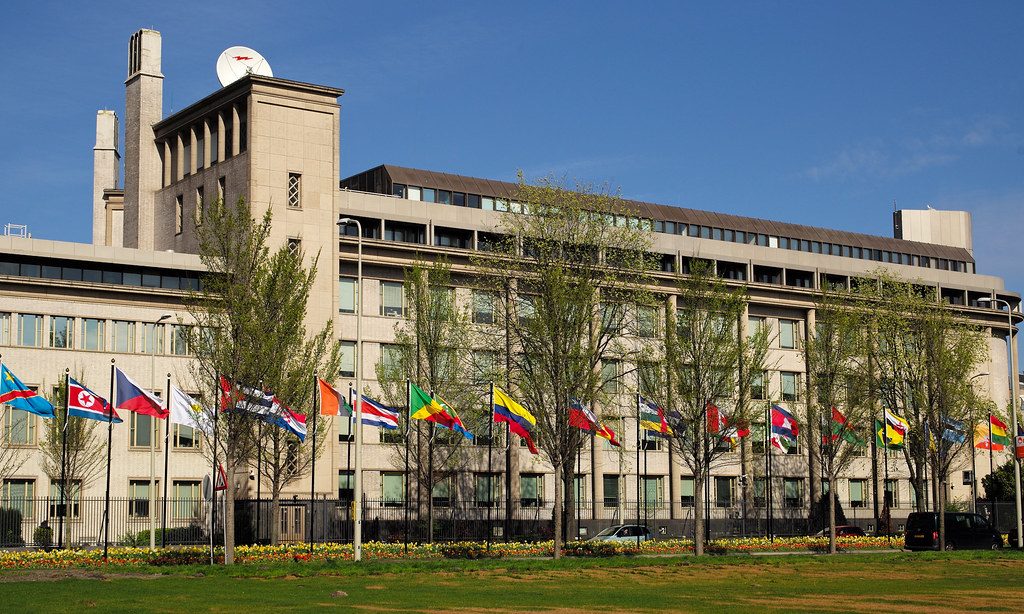
Treaty-based court will target Russia's senior leadership from a base in The Hague

Today: 36 countries and EU sign tribunal agreement

Overview

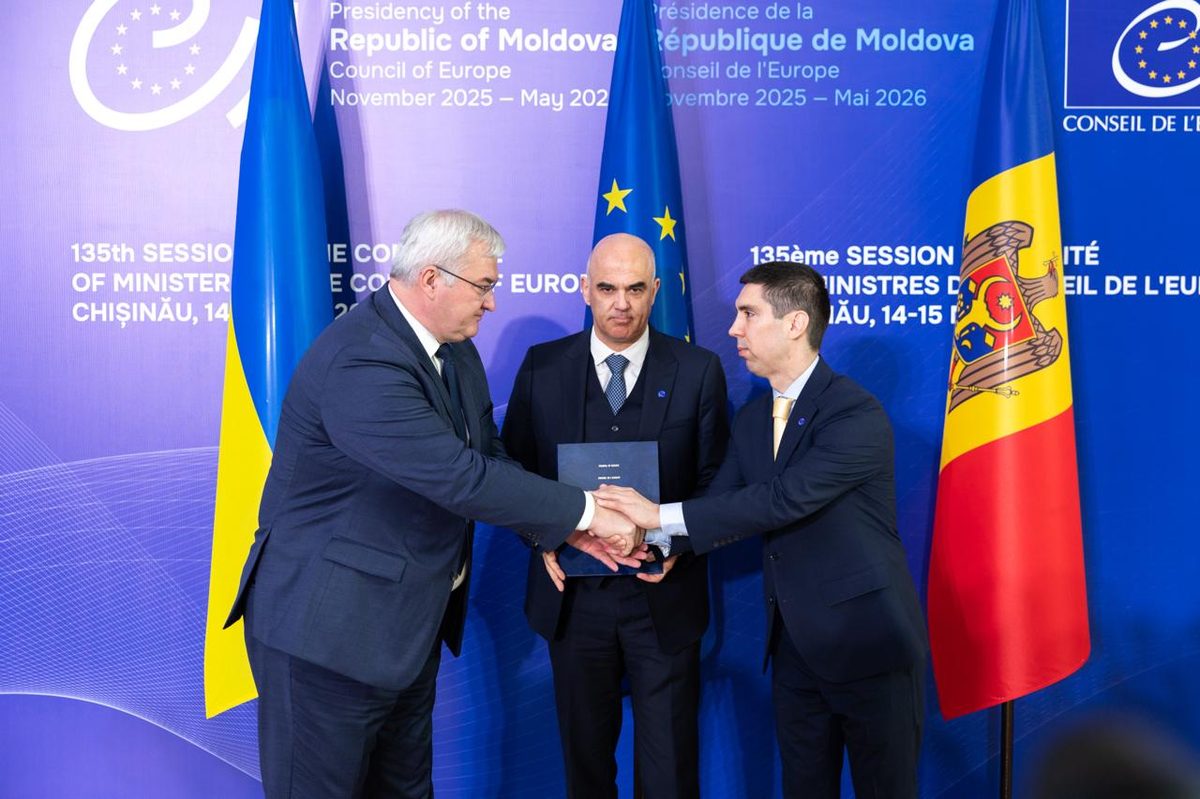
For the first time since Nuremberg, an international tribunal exists to prosecute heads of state for the crime of aggression. Thirty-six countries and the European Union signed the agreement Friday in Chisinau, Moldova.

Why it matters

If the tribunal indicts Putin, any of the 36 signatory countries would be legally bound to arrest him on entry.

Play on this story Voices Debate Predict

Key Indicators

36
Signatory states
Plus the European Union, with most EU members joined by the UK, Ukraine, Moldova, Australia, and Costa Rica.
80 years
Since the last aggression tribunal
Nuremberg in 1945–46 was the only previous international court to prosecute the leadership crime of waging aggressive war.
4 years
Since the invasion began
Russia launched the full-scale invasion of Ukraine on February 24, 2022.
1
Existing ICC warrant for Putin
Issued March 17, 2023, for unlawful deportation of Ukrainian children. The new tribunal addresses a separate charge.

Interactive

Exploring all sides of a story is often best achieved with Play.

Ever wondered what historical figures would say about today's headlines?

Sign up to generate historical perspectives on this story.

People Involved

Organizations Involved

Timeline

  1. 36 countries and EU sign tribunal agreement

    Treaty

    Foreign ministers gather in Chisinau and sign the agreement formally establishing the Special Tribunal in The Hague.

  2. Council of Europe approves draft statute

    Legal

    The Committee of Ministers signs off on the tribunal's founding text, opening it for state signatures.

  3. ICC issues arrest warrant for Putin

    Legal

    The International Criminal Court charges Putin with unlawful deportation of Ukrainian children. The warrant does not cover the invasion itself.

  4. Core Group of states begins formal work

    Diplomatic

    A group including Ukraine, EU, UK, and other allies begins meeting to design the tribunal's jurisdiction and structure.

  5. Council of Europe expels Russia

    Diplomatic

    Russia becomes the first country ever expelled from the Council of Europe over the invasion.

  6. First proposals for a special aggression tribunal

    Proposal

    Ukrainian officials and a group of international legal scholars publish detailed proposals for an ad hoc tribunal to try Russian leaders.

  7. Russia launches full-scale invasion of Ukraine

    Inciting event

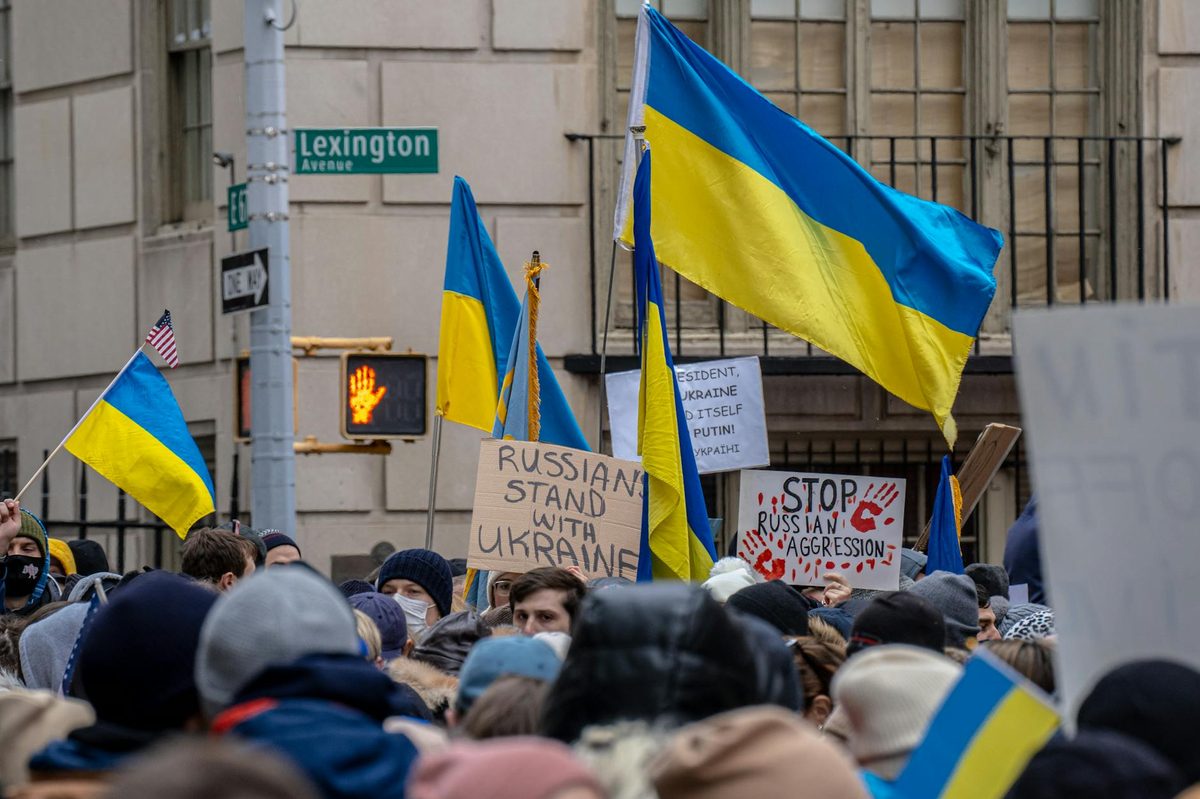
    Russian forces cross into Ukraine from the north, east, and south. Putin announces the invasion in a pre-dawn televised address.

Scenarios

Predict which scenario wins. Contrarian picks score more — points lock in when the scenario resolves.

Log in to predict. Track your picks, climb the leaderboard. Log in Sign Up
1

Tribunal indicts Putin for crime of aggression

Once judges and prosecutors are appointed, the tribunal moves quickly to issue formal indictments against Putin and other senior Russian officials. The indictment would not bring custody, but would multiply the legal exposure for any state hosting the named officials.

Resolves by: 2027-12-31
Source: Special Tribunal for the Crime of Aggression Against Ukraine official announcement
Discussed by: Ukrainian government; Council of Europe officials; international law commentators at Just Security and EJIL: Talk!
Consensus
2

Tribunal opens first trial without defendants present

Russia refuses to surrender any defendants. The tribunal proceeds with in-absentia trials, building a documentary record and producing convictions that would activate enforcement obligations across the signatory states.

Resolves by: 2028-12-31
Source: Special Tribunal court docket and public proceedings
Discussed by: International criminal law scholars; Ukrainian Foreign Ministry; Open Society Justice Initiative
Consensus
3

Russian leadership change brings defendants to The Hague

A future Russian government, facing economic pressure or pursuing rehabilitation, hands over indicted officials to the tribunal. The Sierra Leone court showed this can happen with sitting or recent heads of state, but the precedent is rare.

Resolves by: 2030-12-31
Source: Special Tribunal court records
Discussed by: Long-range historians citing the Yugoslav and Liberian precedents; some Russian opposition voices
Consensus
4

Peace settlement includes amnesty that sidelines tribunal

A negotiated end to the war includes amnesty provisions for Russian leadership as a condition Moscow demands. Signatory states would face a choice between honoring the tribunal and signing the peace deal, splitting the coalition.

Resolves by: 2027-12-31
Source: Reuters reporting on a signed Russia-Ukraine peace agreement
Discussed by: Realist foreign policy analysts; commentators at Foreign Affairs and Responsible Statecraft
Consensus
5

Tribunal stalls without enforcement support from major powers

Without the US, Japan, India, China, or Brazil on board, the tribunal struggles to constrain Russian officials' travel or build pressure for custody. It produces filings but no indictments, becoming a symbolic body.

Resolves by: 2028-12-31
Source: Special Tribunal public records
Discussed by: Skeptical international law observers; commentators noting the absence of the United States and large non-European powers from the signatory list
Consensus

Historical Context

Nuremberg Tribunal (1945-1946)

November 1945 - October 1946

What Happened

After Nazi Germany's defeat, the Allied powers established a tribunal in Nuremberg to try senior Nazi leaders. Twenty-four defendants faced charges including crimes against peace, the legal precursor to the modern crime of aggression.

Outcome

Short Term

Twelve defendants were sentenced to death; seven received prison terms; three were acquitted.

Long Term

Nuremberg established the principle that planning and waging aggressive war could be prosecuted as an international crime, even by heads of state.

Why It's Relevant Today

The Ukraine tribunal draws directly on Nuremberg's framework. It targets the same leadership-level crime that Nuremberg prosecuted for the first time.

International Criminal Tribunal for the former Yugoslavia (1993-2017)

May 1993 - December 2017

What Happened

The UN Security Council established an ad hoc tribunal in The Hague to prosecute serious crimes during the Balkan wars. It indicted 161 individuals, including sitting Serbian president Slobodan Milošević.

Outcome

Short Term

Milošević was extradited in 2001 and died in his cell in 2006 before a verdict. The tribunal eventually convicted 90 individuals.

Long Term

ICTY proved a sitting head of state could be indicted by an international court. Its work fed directly into the International Criminal Court created in 2002.

Why It's Relevant Today

Like the Ukraine tribunal, ICTY was created to fill an accountability gap. It sat in The Hague and tried leaders whose home country refused to cooperate.

Special Court for Sierra Leone (2002-2013)

January 2002 - December 2013

What Happened

A hybrid court created by treaty between the UN and Sierra Leone tried those most responsible for atrocities in the civil war. It indicted Liberian president Charles Taylor while he was still in office.

Outcome

Short Term

Taylor was convicted in 2012 of aiding rebels who committed atrocities. He received a 50-year sentence.

Long Term

The court showed a sitting head of state could be removed from office and tried by an international body. Taylor was the first head of state convicted by an international court since Nuremberg.

Why It's Relevant Today

Sierra Leone shows the model the Ukraine tribunal hopes to follow: a treaty-based court with international backing, willing to indict sitting leaders.

Sources

(3)