Ukraine first passed sanctions legislation in 2014 after Russia annexed Crimea. Twelve years and a full-scale invasion later, Kyiv is targeting the cryptocurrency networks and third-country shell companies that funnel billions of dollars to Russian missile factories. On February 8, 2026, President Zelenskyy signed decrees sanctioning 128 individuals and 97 legal entities—including the A7 crypto ecosystem, which Ukrainian officials say processed billions for weapons procurement.
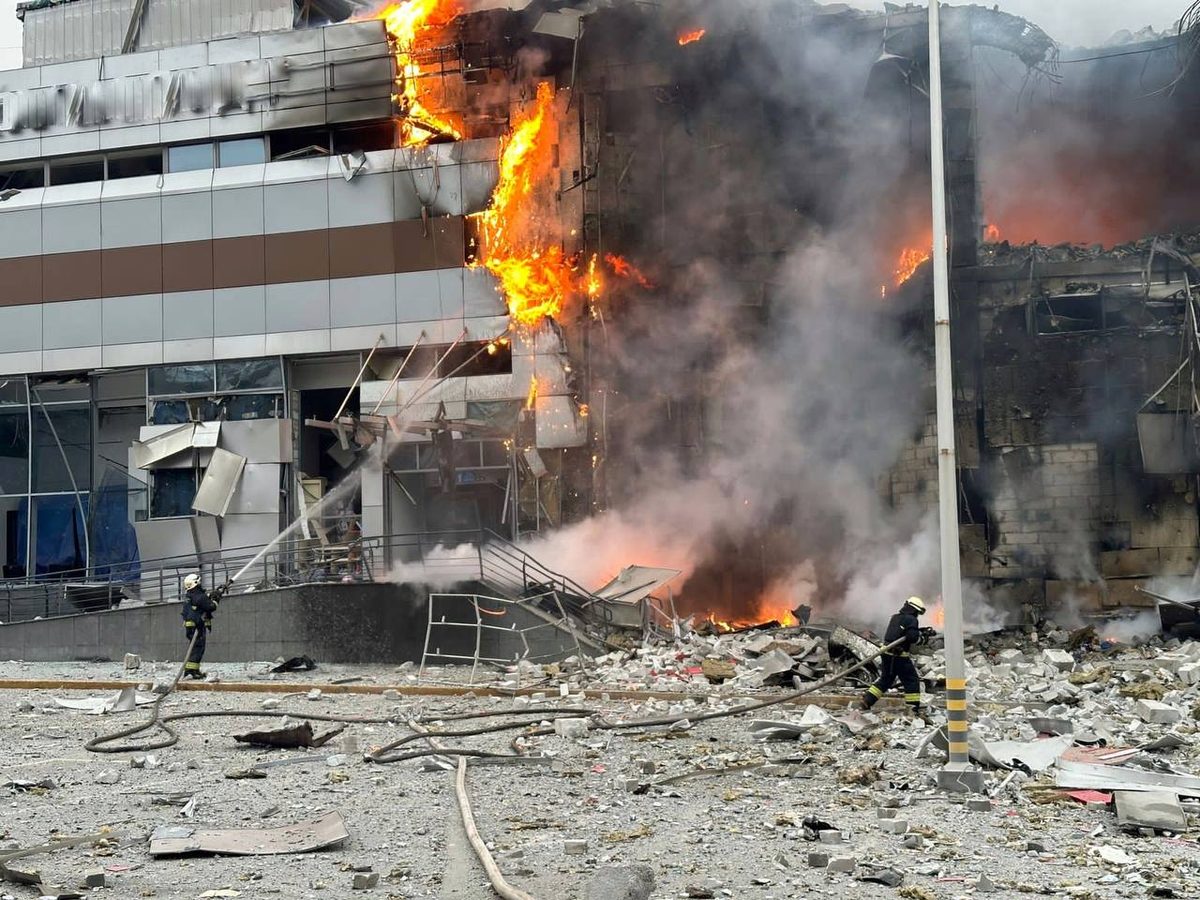
The timing was deliberate. Hours after Russia launched over 400 drones and missiles at Ukrainian energy infrastructure—the largest barrage of the year—Zelenskyy announced measures specifically designed to choke off the financial pipelines enabling such attacks. With peace talks underway in Abu Dhabi and the EU's 20th sanctions package pending, Ukraine is demonstrating it can identify and target evasion networks.
Questions about this story
Free account needed to ask — your question is kept and asked for you right after sign-up. Answers are public.
No questions yet — be the first to ask.
Key Indicators
128
Individuals sanctioned
Includes 66 tied to military production and 42 to sanctions circumvention networks
$8B+
A7 stablecoin volume
Blockchain forensics identified this amount flowing through sanctioned crypto networks over 18 months
5
Countries implicated
Sanctions target entities in Russia, Kyrgyzstan, UAE, Georgia, and Panama
440+
Attack that triggered response
Drones and missiles Russia launched at Ukraine on February 7, prompting immediate sanctions announcement
16 events
Latest: February 8th, 2026 · 8 months ago
Showing 8 of 16
JK to step
Tap a bar to jump to that date
Jump to
February 2026
Ukraine Sanctions A7 Network and 128 Individuals
LatestUkrainian Sanctions
Zelenskyy signs decrees targeting 66 individuals and 62 entities in military production, plus 42 individuals and 35 entities in sanctions circumvention networks, including the A7 cryptocurrency ecosystem.
Russia Launches Largest Missile and Drone Attack of 2026
Military
Over 440 drones and missiles strike Ukrainian energy infrastructure across 19 regions; attack triggers immediate sanctions response from Kyiv.
EU Commission Announces 20th Sanctions Package
International Sanctions
European Commission President von der Leyen unveils comprehensive package targeting Russian oil, shadow fleet, crypto providers, and metals.
European Union sanctions banks in Tajikistan, Kyrgyzstan, UAE, and Hong Kong facilitating Russian sanctions circumvention.
August 2025
U.S. Treasury Sanctions A7 Network and Shor
U.S. Sanctions
Treasury Department adds A7 and affiliated entities to sanctions list, citing role in processing billions for Russian military procurement.
July 2025
Ukraine Sanctions 60 Crypto Firms Enabling War Financing
Ukrainian Sanctions
Zelenskyy signs decrees freezing assets of 19 crypto miners, 17 digital asset operators, and 5 exchanges tied to Russian financial infrastructure.
February 2025
A7 Launches Ruble-Pegged Stablecoin
Financial
A7 network introduces A7A5 stablecoin registered in Kyrgyzstan, designed for cross-border payments outside U.S. jurisdiction.
July 2024
Russia Legalizes Crypto for International Settlements
Legislative
Russian Duma passes law permitting cryptocurrency use in international trade, effectively legalizing sanctions evasion infrastructure.
2024
Shor Founds A7 Network with Russian State Bank Investment
Financial
Sanctioned oligarch Ilan Shor establishes A7 crypto network; Promsvyazbank acquires 49% stake, directly linking platform to Russian defense financing.
December 2023
Ukraine Sanctions 181 Russian Defense Entities
Ukrainian Sanctions
Major sanctions package targets Russian military-industrial complex companies and 185 individuals connected to weapons production.
April 2023
Ilan Shor Sentenced to 15 Years for Moldova Bank Fraud
Legal
Moldovan court convicts fugitive oligarch in absentia for orchestrating $1 billion bank fraud; Shor believed to be in Russia.
May 2022
Ukraine Enables Asset Confiscation for Sanctions Violators
Legislative
Ukrainian Parliament amends sanctions law to allow courts to confiscate property from individuals supporting Russian aggression.
April 2022
Garantex Exchange Sanctioned for Russia Ties
U.S. Sanctions
U.S. Treasury sanctions Moscow-based crypto exchange Garantex, which would later account for 82% of sanctioned entity crypto volumes in 2023.
February 2022
Russia Invades Ukraine; Sanctions Campaign Escalates
Military
Full-scale Russian invasion triggers unprecedented Western sanctions, but Russia begins developing evasion networks through third countries and cryptocurrency.
Western Powers Sanction Russian Defense Bank Before Invasion
International Sanctions
U.S. and UK sanction Promsvyazbank and other Russian financial institutions two days before the full-scale invasion begins.
August 2014
Ukraine Passes First Sanctions Law After Crimea Annexation
Legislative
Ukraine establishes legal framework for sanctions in response to Russia's seizure of Crimea, creating the foundation for future economic countermeasures.
Scenarios
1
Ukraine's Crypto Sanctions Adopted by EU and U.S., Creating Unified Pressure
Vladyslav Vlasiuk has stated that some Ukrainian measures will be incorporated into the EU's 20th sanctions package, due for approval February 24. If the U.S. follows suit with secondary sanctions on A7-linked entities in Kyrgyzstan and UAE, the combined pressure could significantly disrupt Russia's cryptocurrency-based procurement channels. This would force Russia to develop new evasion infrastructure, buying Ukraine time and increasing Moscow's transaction costs.
2
Russia Adapts Quickly, A7 Network Reconstitutes Under New Names
Possible
Discussed by: Chainalysis researchers, Institute for Financial Integrity, RAND analysts
Russia has demonstrated persistent ability to adapt its sanctions evasion methods. Over 100 no-KYC crypto exchanges operated in Russia in 2024, and the July 2024 law legalizing crypto for international trade provides domestic legal cover. If A7's infrastructure simply migrates to new entities with different names but same ownership structures—as Garantex did—the sanctions would achieve only temporary disruption. Third-country jurisdictions like Kyrgyzstan have limited enforcement capacity.
3
Peace Deal Renders Sanctions Framework Obsolete
Uncertain
Discussed by: Abu Dhabi negotiators, White House officials, EU foreign ministers
With trilateral talks underway and U.S. officials claiming Ukraine has agreed to a peace deal with 'minor details to be sorted out,' the entire sanctions architecture could become subject to negotiation. If a ceasefire includes sanctions relief as a condition, Ukraine's newly imposed measures would become bargaining chips rather than permanent pressure tools. The Trump administration's June deadline for ending the war suggests this scenario could materialize within months.
4
Crypto Sanctions Prove Ineffective, Russia Maintains Procurement Capacity
Possible
Discussed by: Atlantic Council sanctions researchers, U.S. Treasury officials, defense analysts
Despite three years of comprehensive Western sanctions, Russia currently manufactures more ammunition than all NATO nations combined and has tripled artillery production. Cryptocurrency represents only a fraction of Russia's procurement financing. If traditional banking channels through China, India, and Turkey continue to provide the bulk of transaction capacity, targeting crypto networks—however symbolic—may not materially reduce Russian weapons production or attack capability.
Historical Context
3 moments from history that rhyme with this story — and how they unfolded.
1 of 3
2006-2015
Iran Nuclear Sanctions and the 2015 JCPOA (2006-2015)
The United States and international community imposed escalating sanctions on Iran's banking sector, oil exports, and nuclear program. By 2012, Iran was cut off from SWIFT and faced comprehensive financial isolation. The economic pressure contributed to Hassan Rouhani's 2013 election on a platform of sanctions relief, ultimately leading to the Joint Comprehensive Plan of Action nuclear deal.
Then
Iran's oil exports fell by over 50% and inflation exceeded 40%, creating domestic political pressure for negotiation.
Now
The case demonstrated that sustained financial isolation can change state behavior—but also showed that sanctions work best when coupled with clear diplomatic off-ramps.
Why this matters now
Ukraine's targeting of Russia's financial circumvention networks mirrors the SWIFT cutoff that proved decisive against Iran. The key question is whether Russia's larger economy and deeper evasion networks make it more resilient than Iran proved to be.
2 of 3
2006-present
North Korea Sanctions Regime (2006-Present)
Following North Korea's first nuclear test, the UN Security Council imposed increasingly comprehensive sanctions on the country's banking, trade, and weapons programs. The regime cut off from formal banking, North Korea developed sophisticated evasion methods including cryptocurrency theft, front companies, and ship-to-ship oil transfers using a 'shadow fleet.'
Then
Sanctions slowed but did not halt North Korea's nuclear and missile development.
Now
North Korea's evasion playbook—particularly cryptocurrency operations and shadow maritime logistics—has been adopted by Russia, which now operates over 640 sanctioned tanker vessels.
Why this matters now
Russia is borrowing directly from North Korea's sanctions evasion toolkit. Ukraine's challenge is whether it can close loopholes faster than Russia can exploit them—a race North Korea's adversaries have consistently lost.
3 of 3
2018-2020
U.S. Secondary Sanctions on Iran's Oil Customers (2018-2020)
After withdrawing from the JCPOA, the Trump administration imposed secondary sanctions threatening any company doing business with Iran. Major oil importers including China, India, and Turkey faced sanctions threats. The measures forced many international companies to choose between the U.S. and Iranian markets.
Then
Iran's oil exports dropped to historic lows as even previously exempt countries reduced purchases.
Now
The aggressive use of secondary sanctions accelerated efforts by China and Russia to develop alternative payment systems and reduce dollar dependence.
Why this matters now
Ukraine is pushing for similar secondary sanctions pressure on third-country entities facilitating Russian evasion. The risk is the same: aggressive extraterritorial enforcement may accelerate the development of sanctions-resistant financial infrastructure.