
Pull to refresh
Logo
Air traffic controllers get 2.8% raise in exchange for workforce reforms

Air traffic controllers get 2.8% raise in exchange for workforce reforms

Rule Changes

NATCA accepts badge-in time tracking and workload-based scheduling to unlock a congressionally authorized pay hike

Yesterday: FAA and NATCA reach 2.8% pay deal

Overview

Updated 1 hour ago

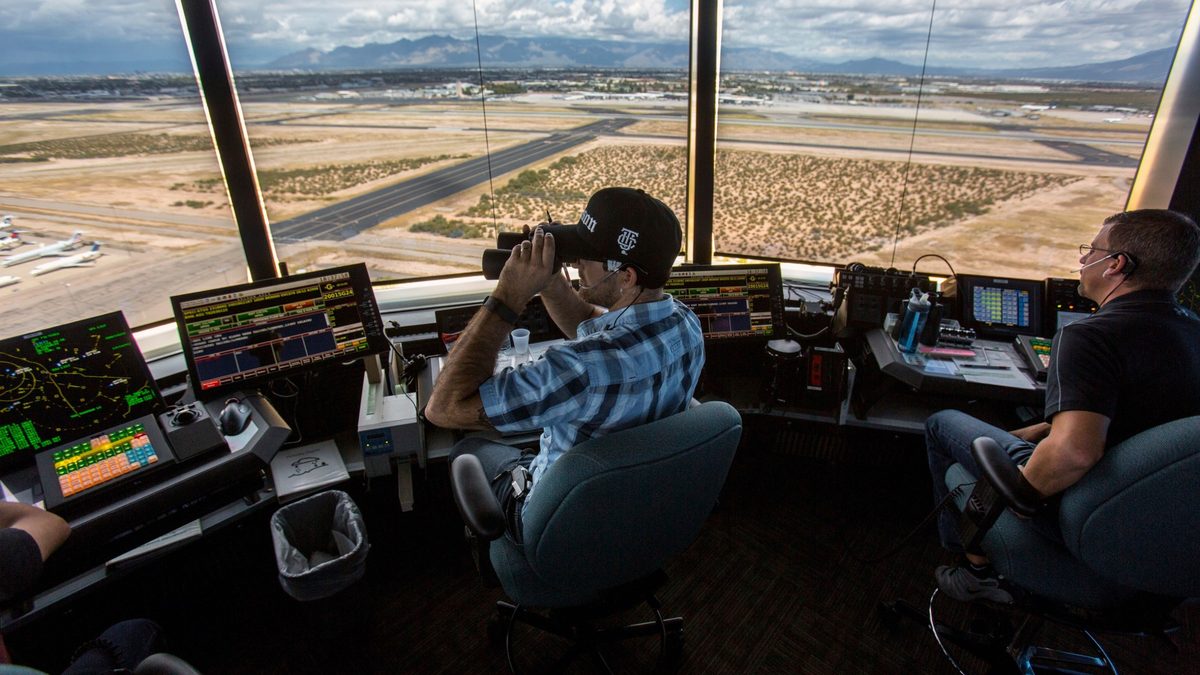
Thousands of federal air traffic controllers are getting a 2.8% pay raise, retroactive to January 1 and effective October 18. In exchange, they'll badge in and out of their facilities — a practice most other federal workers already follow.

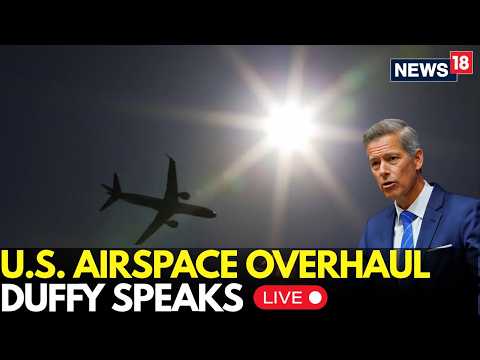
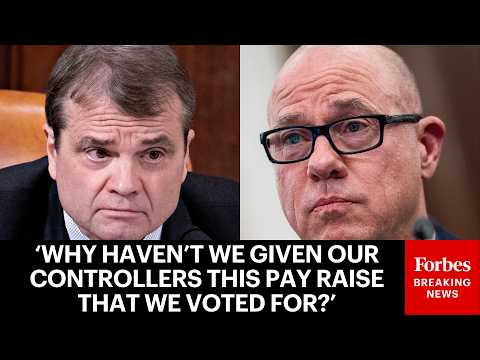
The deal ends months of standoff between the Federal Aviation Administration (FAA) and the National Air Traffic Controllers Association (NATCA). Congress authorized $140 million for the raise but released only 1% until the union accepted workforce reforms.

The reforms target a practice that drew scrutiny after a deadly crash at New York's LaGuardia Airport this year: controllers leaving work early. They also align shifts with forecast demand and change how controllers get reassigned to short-staffed facilities — a needed fix as the FAA struggles with a persistent shortage that forces many controllers into six-day weeks.

Why it matters

A controller shortage already drives flight delays; whether these reforms work decides if the FAA can staff its towers without grinding down its workforce.

Questions about this story

Free account needed to ask — your question is kept and asked for you right after sign-up. Answers are public.

No questions yet — be the first to ask.

Key Indicators

2.8%
Pay increase for controllers
Retroactive to January 1, effective October 18.
$140M
Total raise authorized by Congress
Only 1% was released before workforce reforms were agreed.
1%
Raise already paid before reforms
Remainder was contingent on operational efficiency improvements.
6-day
Weeks many controllers currently work
Shortage forces mandatory overtime at many facilities.

Voices

Curated perspectives — historical figures and your fellow readers.

Ever wondered what historical figures would say about today's headlines?

Sign up to generate historical perspectives on this story.

People Involved

Organizations Involved

Timeline

2026 October 2026

4 events Latest: Yesterday
Tap a bar to jump to that date
  1. Pay increase takes effect, retroactive to January 1

    Upcoming Implementation

    Controllers begin receiving the full 2.8% raise; reforms roll out across facilities.

  2. FAA and NATCA reach 2.8% pay deal

    Latest Agreement

    Deal trades the congressionally authorized raise for badge-in tracking, demand-based shifts, and reassignment reform.

  3. FAA withholds controller pay hike amid scheduling talks

    Negotiation

    Administrator Bryan Bedford holds back the raise until controllers accept time-in-traffic and scheduling changes.

  4. Deadly LaGuardia crash puts early-departure practice in focus

    Incident

    A fatal crash at New York's LaGuardia Airport draws scrutiny to controllers leaving before their shifts end.

Scenarios

1

Controller Pay Deal Holds as Reforms Take Root

Likely Resolves by Q2 2027

Discussed by: FAA and NATCA leadership statements announcing the agreement

FAA and NATCA both praise the deal as a model for cooperative reform. Controllers badge in and out, shifts align with forecast demand, and reassignments target the most short-staffed facilities. The pay raise lands without further dispute.

2

Union Files Grievance Over Time-Tracking Rules

Possible Resolves by Q2 2027

Discussed by: Bloomberg reporting on controller resistance to scheduling changes

Controllers chafe at being required to badge in and out, a practice many see as micromanagement. NATCA files a grievance or unfair labor practice charge, reopening the contract dispute and potentially slowing rollout of the other reforms.

3

Staffing Shortage Persists, Six-Day Weeks Continue

Possible Resolves by End of 2027

Discussed by: Reuters reporting on the controller shortage and mandatory overtime

Reforms change how controllers are scheduled but the hiring pipeline stays short. Many facilities keep mandating overtime and six-day weeks through the peak 2027 travel season, and flight delays stay elevated despite the new efficiencies.

Historical Context

2 moments from history that rhyme with this story — and how they unfolded.

August 1981

PATCO Strike and Firings (1981)

The Professional Air Traffic Controllers Organization struck over pay and working conditions. President Ronald Reagan gave controllers 48 hours to return; when they didn't, he fired 11,345 of them and banned them from federal employment.

Then

Striking controllers were permanently replaced; the union was decertified.

Now

Federal law now bars controller strikes. Pay is set through Congress and collective bargaining, which is why the 2026 raise required legislation and why workforce changes are negotiated.

Why this matters now

The 1981 firings explain why today's dispute played out in Congress and negotiation rooms rather than on picket lines, and why the FAA could tie pay to efficiency measures.

December 2018 – January 2019

Government Shutdown Freezes Controller Pay (2018-2019)

During the 35-day partial government shutdown, air traffic controllers worked without pay as essential employees, straining the system and raising safety concerns.

Then

Controllers eventually received back pay, but morale suffered weeks of unpaid work.

Now

The episode cemented controllers as critically essential workers whose labor disruptions can ground the entire U.S. aviation system within days.

Why this matters now

It shows the leverage controllers hold as essential workers, a backdrop for why Congress funded their raise in 2026 and why the FAA demanded measurable efficiency in return.

Sources

(8)