
Pull to refresh
Logo
Daily Brief
Following
Why
Armed threats to the US Capitol

Armed threats to the US Capitol

Force in Play
By Newzino Staff |

A Pattern of Armed Individuals Targeting the Seat of American Government

February 17th, 2026: Armed Man Arrested Rushing Capitol With Shotgun

Overview

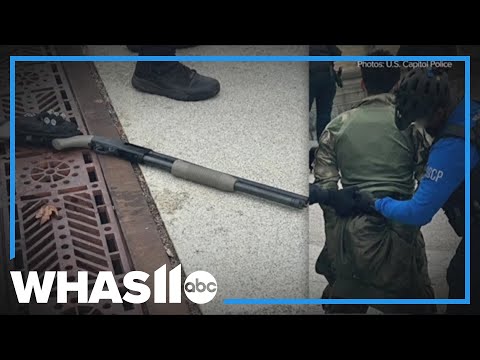
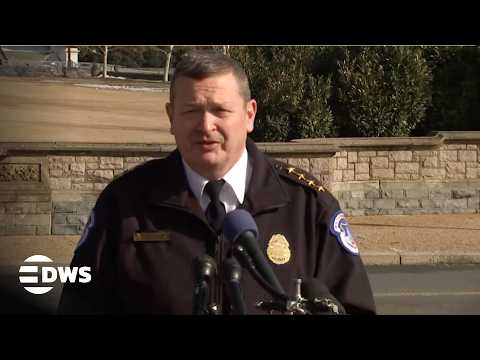
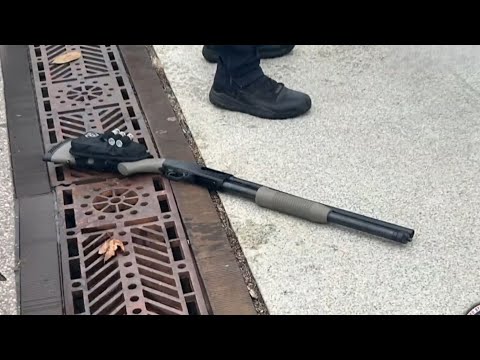
An 18-year-old from Georgia ran several hundred yards toward the United States Capitol carrying a loaded shotgun on February 17, 2026—one week before President Trump's scheduled State of the Union address. Capitol Police intercepted Carter Camacho on the Lower West Terrace, where he complied with orders to drop his weapon. Officers found a Kevlar helmet and gas mask in his vehicle.

Key Indicators

14,938
Threat cases in 2025
Nearly 60% increase from 9,474 cases in 2024, marking a third consecutive year of increases.
350+
Partner law enforcement agencies
Tripled from 115 in 2024 as Capitol Police expanded coordination nationwide.
7 days
Before State of the Union
The arrest occurred one week before Trump's scheduled address to Congress on February 24.

Interactive

Exploring all sides of a story is often best achieved with Play.

Ever wondered what historical figures would say about today's headlines?

Sign up to generate historical perspectives on this story.

Sign Up

Debate Arena

Two rounds, two personas, one winner. You set the crossfire.

People Involved

Carter Camacho
Carter Camacho
Suspect (In custody, facing multiple charges)
Michael J. O’Sullivan
United States Capitol Police Chief (Active)
J. Thomas Manger
J. Thomas Manger
Former United States Capitol Police Chief (Retired)

Organizations Involved

United States Capitol Police
Federal Law Enforcement Agency
Status: Lead agency for Capitol complex security

The federal law enforcement agency responsible for protecting Congress, its members, visitors, and facilities.

Timeline

  1. Armed Man Arrested Rushing Capitol With Shotgun

    Arrest

    Carter Camacho, 18, of Georgia ran several hundred yards toward the Capitol carrying a loaded shotgun while wearing a tactical vest. He complied with orders to surrender. A gas mask and Kevlar helmet were found in his vehicle. Motive under investigation.

  2. Capitol Police Reports Record 14,938 Threat Cases for 2025

    Data

    Threat cases rose 58% from 2024, marking a third consecutive year of increases. The department announced it had tripled law enforcement partnerships to over 350 agencies nationwide.

  3. Michael Sullivan Becomes Capitol Police Chief

    Leadership

    Sullivan, formerly deputy chief of Louisville Police, replaced retiring Chief J. Thomas Manger. He inherited a force managing record threat levels and ongoing security enhancements.

  4. Armed Man Arrested Near Senate Buildings

    Arrest

    Ahmir Lavon Merrell, 21, of Atlanta was arrested in Upper Senate Park carrying an AR-style pistol with 26 rounds. He told officers 'you are going to have to kill me' before being tased. He faced nearly a dozen charges including assault on a federal officer.

  5. Truck Bomb Threat Causes Hours-Long Standoff

    Threat

    Floyd Ray Roseberry parked a pickup at the Library of Congress claiming to have explosives. The five-hour standoff evacuated much of Capitol Hill. No bomb was found. Roseberry later received five years probation.

  6. Vehicle Attack Kills Officer William Evans

    Attack

    Noah Green, 25, rammed his car into a Capitol checkpoint, killing Officer William Evans and wounding another. Green exited with a knife and was shot dead by officers. Investigators cited mental illness and extremist ideology.

  7. January 6 Capitol Attack

    Attack

    Thousands breached the Capitol during Congress's certification of the 2020 election. Rioters carried firearms, bear spray, and improvised weapons. Over 1,500 people have been charged; more than 900 convicted. Multiple officers injured; some died in the aftermath.

  8. Gunman Kills Two Capitol Police Officers

    Attack

    Russell Eugene Weston Jr. entered the Capitol with a.38 caliber revolver and killed Officers Jacob Chestnut and John Gibson. Gibson fatally wounded Weston before dying. Weston was later found incompetent to stand trial due to paranoid schizophrenia.

Scenarios

1

Camacho Charged, Convicted on Weapons Offenses

Discussed by: Standard outcome based on similar Capitol arrest cases; legal analysts note straightforward weapons charges typically result in conviction

Federal prosecutors pursue charges for unlawful possession of firearms on Capitol grounds. Given clear evidence—loaded weapon, tactical gear, video of the approach—conviction appears likely. Sentencing would depend on whether prosecutors establish intent to harm. Similar cases have resulted in sentences ranging from probation to years in prison.

2

Investigation Reveals Broader Plot or Network

Discussed by: Security analysts and former law enforcement officials speaking to media about the investigation

The Threat Assessment Section's investigation uncovers communications or connections indicating Camacho was part of a larger conspiracy or influenced by an organized group. This would elevate charges and prompt broader counterterrorism response. The proximity to the State of the Union intensifies scrutiny of any network ties.

3

Mental Health Factors Lead to Diminished Charges

Discussed by: Defense attorneys and mental health advocates citing precedent from similar cases

Camacho's defense establishes significant mental health issues that diminished his culpability, following patterns seen in the Roseberry case. This could result in reduced charges, mandatory treatment, or probation rather than incarceration. The immediate compliance with officers' commands may support this narrative.

4

State of the Union Proceeds Under Enhanced Security

Discussed by: Capitol Police statements and security protocol experts

The February 24 State of the Union proceeds as scheduled with additional visible security measures. The arrest one week prior becomes a talking point about Capitol security effectiveness. No changes to the event itself, but heightened screening and perimeter controls. The incident is cited in future funding requests.

Historical Context

Capitol Shooting (1998)

July 1998

What Happened

Russell Eugene Weston Jr., suffering from paranoid schizophrenia, entered the Capitol through the Document Door with a.38 caliber revolver. He shot Officer Jacob Chestnut in the back of the head, then wounded Detective John Gibson, who returned fire before dying. A tourist was also injured.

Outcome

Short Term

Two officers died. Weston survived but was found incompetent to stand trial. The Capitol implemented its first modern security upgrades, including magnetometers at public entrances.

Long Term

Officers Chestnut and Gibson became the first private citizens to lie in honor in the Capitol Rotunda. Their deaths prompted lasting changes to Capitol security protocols and became a reference point for all subsequent threats.

Why It's Relevant Today

The deadliest attack by an armed individual at the Capitol shows what can happen when a gunman breaches the perimeter. The Camacho arrest demonstrates improved interception capabilities developed since 1998.

January 6 Capitol Attack (2021)

January 2021

What Happened

Thousands of supporters of President Trump breached Capitol barriers during Congress's certification of the 2020 election. Rioters carried firearms, chemical irritants, and improvised weapons. Over 140 police officers were injured. Congress evacuated, and the certification was delayed by hours.

Outcome

Short Term

National Guard deployed for months. Temporary fencing surrounded the Capitol. Multiple congressional investigations launched. Over 1,500 people eventually charged.

Long Term

Triggered the largest restructuring of Capitol security in decades: expanded threat assessment, regional field offices, tripled law enforcement partnerships, and ongoing debates about permanent barriers versus public access.

Why It's Relevant Today

The January 6 attack fundamentally reshaped Capitol security. The resources, partnerships, and protocols activated to stop Camacho exist because of lessons learned from the 2021 breach.

Library of Congress Bomb Threat (2021)

August 2021

What Happened

Floyd Ray Roseberry, 49, parked a pickup truck outside the Library of Congress and claimed to have a bomb. He livestreamed anti-government grievances for five hours while holding what appeared to be a detonator. The standoff evacuated nearby neighborhoods and shut down much of Capitol Hill.

Outcome

Short Term

No explosives found, though possible bomb-making materials were recovered. Roseberry surrendered peacefully. He was charged with threatening to use a weapon of mass destruction.

Long Term

Roseberry received five years probation after his defense established bipolar disorder. The incident highlighted how single actors can paralyze Capitol operations even without functional weapons.

Why It's Relevant Today

The Roseberry case established a recent precedent for armed individuals approaching Capitol grounds. His probation sentence—despite hours of threats—may influence how Camacho's case is prosecuted if mental health factors emerge.

Sources

(12)