
Pull to refresh
Logo
Hanwha doubles Philadelphia shipyard workforce in Navy shipbuilding push

Hanwha doubles Philadelphia shipyard workforce in Navy shipbuilding push

Money Moves

Acting Navy Secretary tours the yard as South Korean investment aims to restore US naval shipbuilding

Yesterday: Hanwha announces workforce doubled to nearly 2,500

Overview

Updated 1 hour ago

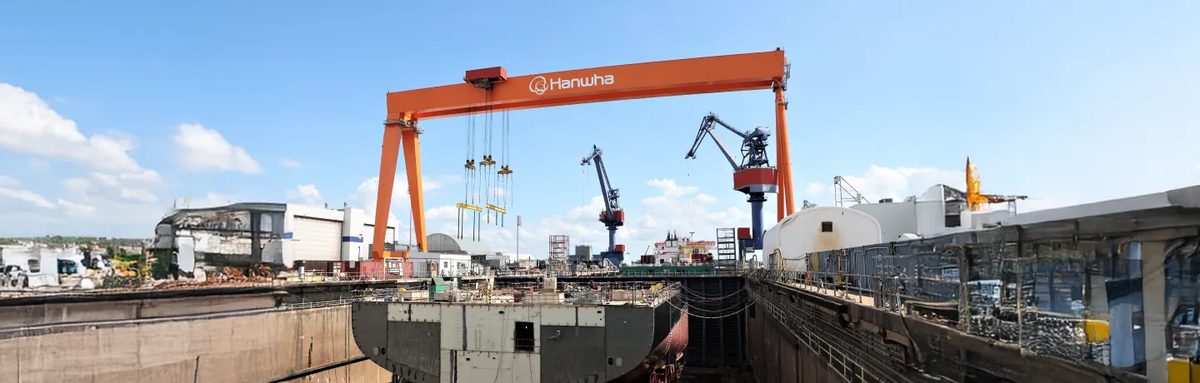
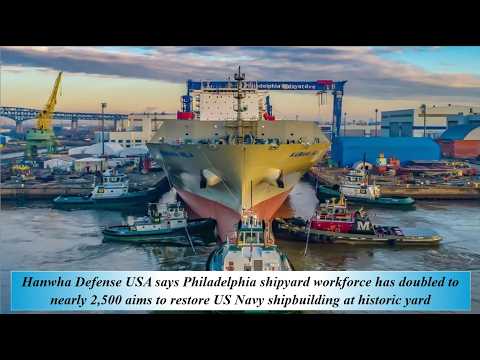
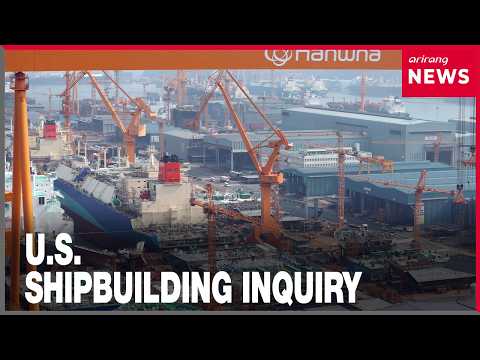
A South Korean conglomerate has doubled the workforce at Philadelphia's historic Navy Yard to nearly 2,500 since buying the shipyard in 2024. Acting Navy Secretary Hung Cao toured the facility this month as the US pushes to rebuild its shipbuilding base.

The yard hasn't built a Navy warship since the base closed in 1994. Hanwha has pledged $5 billion to expand the facility. It wants to build oilers, support vessels, and unmanned warships — a test of whether foreign capital can revive American shipbuilding.

Why it matters

The US Navy needs hundreds of new ships to counter China, and this Korean investment tests whether foreign capital can build them.

Questions about this story

Free account needed to ask — your question is kept and asked for you right after sign-up. Answers are public.

No questions yet — be the first to ask.

Key Indicators

2,500
Shipyard workforce
More than doubled since Hanwha acquired the yard in 2024
$5B
Pledged investment
Hanwha's total commitment to expand US shipbuilding capacity
$200M
Invested in past year
Spent on facility upgrades since the 2024 acquisition
20 ships/year
Target production rate
Hanwha's goal for the expanded Philadelphia yard
1 per 8 months
Current production rate
The yard currently finishes a ship every eight months

Voices

Curated perspectives — historical figures and your fellow readers.

Ever wondered what historical figures would say about today's headlines?

Sign up to generate historical perspectives on this story.

People Involved

Organizations Involved

Timeline

January 2024 September 2026

7 events Latest: Yesterday
Tap a bar to jump to that date
  1. Hanwha announces workforce doubled to nearly 2,500

    Latest Announcement

    Hanwha says the Philadelphia shipyard workforce has more than doubled since 2024, with investments in training and production capacity.

  2. Navy Secretary tours Hanwha Philly Shipyard

    Visit

    Acting Navy Secretary Hung Cao tours the yard, meets executives, and discusses industrial investment and workforce expansion.

  3. Presidential memorandum opens door for foreign shipbuilders

    Policy

    Memorandum establishes a pathway for foreign shipbuilders to construct vessels overseas before shifting production to the US, with investment and technology transfer requirements.

  4. Hanwha picked for Golden Dome missile defense ships

    Contract

    Hanwha Philly Shipyard and TOTE Services selected to build the Missile Defense Agency's next-generation Missile Range Instrumentation Vessels.

  5. US pledges $1.5 billion for new MARAD ships

    Policy

    US pledges $1.5 billion for new National Security Multi-Mission Vessel orders at the Philadelphia yard.

  6. Navy awards Landing Ship Medium contract

    Contract

    Navy awards Tote Services a $2.2 billion contract for up to eight Landing Ship Medium vessels for the Marines.

  7. Hanwha acquires Philadelphia shipyard

    Acquisition

    Hanwha buys the former Navy yard from Norway's Aker for $100 million.

Scenarios

1

Hanwha wins Navy oiler contract, returns naval shipbuilding to Philadelphia

Possible Resolves by Q2 2027

Discussed by: The Philadelphia Inquirer, gCaptain

The Navy plans to build new fleet oilers, and Hanwha has applied with partners. A win would mark the first Navy ship construction at the Philadelphia yard since the base closed in 1994. It would validate Hanwha's $5 billion investment strategy and could trigger the yard's full expansion.

2

Hanwha completes Austal USA acquisition, expands US naval footprint

Possible Resolves by Q1 2027

Discussed by: gCaptain

Hanwha made a preliminary offer valued at up to $1.2 billion for Austal USA, which builds Navy and Coast Guard vessels in Alabama. The acquisition would give Hanwha control of two major US shipyards and significantly expand its exposure to US naval programs. It would also face regulatory scrutiny over foreign ownership of defense assets.

3

US and South Korea reach shipbuilding funding deal

Possible Resolves by Jan 31, 2027

Discussed by: The Philadelphia Inquirer

The US, South Korea, and Hanwha are negotiating who pays for the $5 billion expansion under the Make American Shipbuilding Great Again initiative. A deal would unlock the yard's full expansion and enable it to compete for major Navy contracts. Without one, the expansion proceeds slowly with Hanwha's own capital.

Historical Context

3 moments from history that rhyme with this story — and how they unfolded.

1945-present

US shipbuilding decline since WWII (1945-present)

The US built thousands of ships during World War II, with peak production exceeding 100 ships per month. By the 21st century, US commercial shipbuilding had collapsed, and Navy shipbuilding slowed to a handful of vessels per year.

Then

The US lost most of its commercial shipbuilding capacity to Asian competitors.

Now

The Navy now faces a fleet shortfall against China's growing navy, with US yards struggling to keep pace.

Why this matters now

This decline is why the Navy is turning to foreign investment and expertise to rebuild capacity.

1994

Philadelphia Navy Yard closure (1994)

The Navy closed its Philadelphia base in 1994 after more than 190 years of shipbuilding there. The yard had built warships from the age of sail through the Cold War.

Then

Thousands of workers lost jobs, and the Navy consolidated shipbuilding in a handful of private yards.

Now

The site became a business park, and commercial shipbuilding continued under private owners, but no Navy warship has been built there since.

Why this matters now

Hanwha's push to build Navy ships at the same yard would reverse a 30-year gap in naval shipbuilding at the site.

1980s

Japanese auto investment in the US (1980s)

Facing trade tensions and export restrictions, Japanese automakers including Honda, Toyota, and Nissan built assembly plants in the US. Honda opened its first US plant in Marysville, Ohio, in 1982.

Then

The plants created tens of thousands of American jobs and helped defuse trade tensions.

Now

Japanese automakers became major US manufacturers, producing millions of vehicles annually in American plants.

Why this matters now

The same pattern of foreign investment reviving US industrial capacity is now playing out in shipbuilding.

Sources

(10)