
Pull to refresh
Logo
EPA repeals power plant carbon emission limits

EPA repeals power plant carbon emission limits

Rule Changes

Agency also proposes ending its authority to regulate power plant greenhouse gases

Yesterday: EPA repeals 2024 power plant carbon rules

Overview

Updated 54 minutes ago

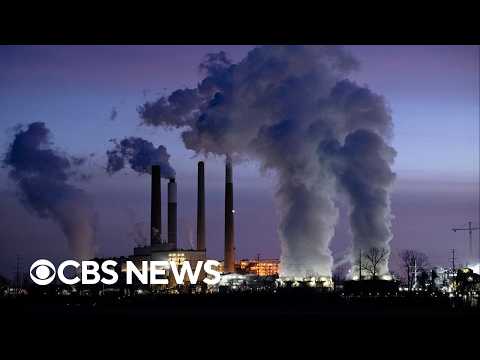
The Environmental Protection Agency repealed the Biden administration's carbon emission limits for coal- and gas-fired power plants on September 14. Administrator Lee Zeldin announced the move at a G20 energy meeting in Houston, calling it the largest power sector deregulation in U.S. history.

The agency also proposed rescinding every remaining greenhouse gas standard for the power sector, arguing the Clean Air Act does not give it authority to regulate climate pollution. The 2024 rules would have required power plants to capture 90% of their carbon emissions by 2032. The repeal is expected to face legal challenges from environmental groups and Democratic states.

Why it matters

If the repeal survives court challenges, U.S. power plants face no federal limits on greenhouse gas emissions, and future administrations cannot easily restore them.

Questions about this story

Free account needed to ask — your question is kept and asked for you right after sign-up. Answers are public.

No questions yet — be the first to ask.

Key Indicators

$310B
Projected savings from repeal
EPA's estimate of compliance costs avoided by striking the 2024 Carbon Pollution Standards.
90%
Carbon capture requirement in 2024 rule
The repealed standards would have forced coal and new gas plants to capture 90% of emissions by 2032.
1B metric tons
Emissions reduction the 2024 rule would have achieved by 2047
The Biden EPA projected the rule would cut greenhouse gas emissions by 1 billion metric tons over two decades.
10x
Expected increase in coal production for power sector
EPA projects coal use for electricity generation will grow more than tenfold after the repeal.

Voices

Curated perspectives — historical figures and your fellow readers.

Ever wondered what historical figures would say about today's headlines?

Sign up to generate historical perspectives on this story.

People Involved

Organizations Involved

Timeline

April 2007 September 2026

8 events Latest: Yesterday
Tap a bar to jump to that date
  1. EPA repeals 2024 power plant carbon rules

    Latest Regulatory

    EPA finalizes repeal of Carbon Pollution Standards and proposes rescinding all remaining GHG standards for power plants.

  2. Biden EPA finalizes Carbon Pollution Standards

    Regulatory

    Rule requires coal and new gas plants to capture 90% of carbon emissions by 2032 or retire.

  3. Obama EPA finalizes Clean Power Plan

    Regulatory

    First national limits on power plant carbon emissions, targeting 32% reduction from 2005 levels by 2030.

  4. EPA issues Endangerment Finding

    Regulatory

    EPA declares greenhouse gases threaten public health, establishing legal basis for climate regulation.

Scenarios

1

Courts reinstate power plant carbon rules

Possible Resolves by End of 2027

Discussed by: Environmental groups and Democratic state attorneys general

Environmental organizations and a coalition of Democratic states are expected to challenge the repeal in federal court. They will argue the EPA's reading of the Clean Air Act contradicts the statute and the agency's own 2009 finding that greenhouse gases endanger public health. A ruling against the EPA would restore the 2024 standards.

2

EPA finalizes full rescission of power sector climate rules

Likely Resolves by Q2 2027

Discussed by: EPA officials and industry groups

The EPA's proposal to rescind all remaining greenhouse gas standards for power plants moves through the public comment period and is finalized. The agency argues the Supreme Court's Loper Bright decision and the repeal of the 2009 Endangerment Finding strip its authority. Industry groups support the move as regulatory certainty.

3

Courts block EPA's broader authority grab

Possible Resolves by End of 2027

Discussed by: Legal analysts

Courts may allow the repeal of the 2024 rules but block the EPA's proposal to strip its own authority to regulate greenhouse gases. This would leave the agency unable to enforce the specific 2024 standards but still able to write new ones in the future. The distinction matters for whether a future administration can restore climate rules.

Historical Context

3 moments from history that rhyme with this story — and how they unfolded.

April 2007

Massachusetts v. EPA (2007)

The Supreme Court ruled 5-4 that the EPA has authority to regulate greenhouse gases under the Clean Air Act. The decision forced the agency to determine whether emissions endanger public health.

Then

The EPA issued its Endangerment Finding in 2009, declaring greenhouse gases a threat to public health and welfare.

Now

The finding became the legal foundation for all federal climate regulations, including the 2024 power plant rules.

Why this matters now

The current EPA has repealed the 2009 Endangerment Finding, reversing the legal basis established by Massachusetts v. EPA.

August 2015 - June 2019

Clean Power Plan (2015-2019)

The Obama EPA finalized the Clean Power Plan in August 2015, the first national limits on power plant carbon emissions. The Supreme Court stayed the rule in February 2016 before it took effect. The Trump administration replaced it with a weaker rule in 2019.

Then

The Clean Power Plan never took effect. Its replacement, the Affordable Clean Energy rule, was struck down by a federal court in 2021.

Now

The legal battles established that EPA's authority under Section 111 of the Clean Air Act is limited, setting the stage for West Virginia v. EPA.

Why this matters now

The 2024 Carbon Pollution Standards were the third attempt to regulate power plant emissions, and the current repeal continues the same legal and political fight.

June 2022

West Virginia v. EPA (2022)

The Supreme Court ruled 6-3 that the EPA exceeded its authority under the Clean Air Act in the Clean Power Plan. The decision established the major questions doctrine, requiring clear congressional authorization for major regulatory actions.

Then

The ruling blocked the Clean Power Plan's approach of shifting generation from coal to renewables.

Now

The decision gave future administrations a legal basis to argue EPA cannot regulate power plant emissions without explicit congressional approval.

Why this matters now

The current EPA cites West Virginia v. EPA as legal justification for repealing the 2024 rules and proposing to rescind all greenhouse gas standards.

Sources

(11)