

Pull to refresh
Logo
US services sector slows as price pressures hit four-year high

US services sector slows as price pressures hit four-year high

Money Moves

ISM prices index at 74, highest since July 2022, as fuel costs and tariffs squeeze supply chains

2 days ago: Services PMI falls to 54.9 as prices hit four-year high

Overview

Updated 1 hour ago

US service businesses grew at a slower pace in September, but the prices they paid for materials and fuel hit a four-year high. The Institute for Supply Management's services index slipped to 54.9 from 55.4, while its prices gauge jumped to 74.0, the highest since July 2022.

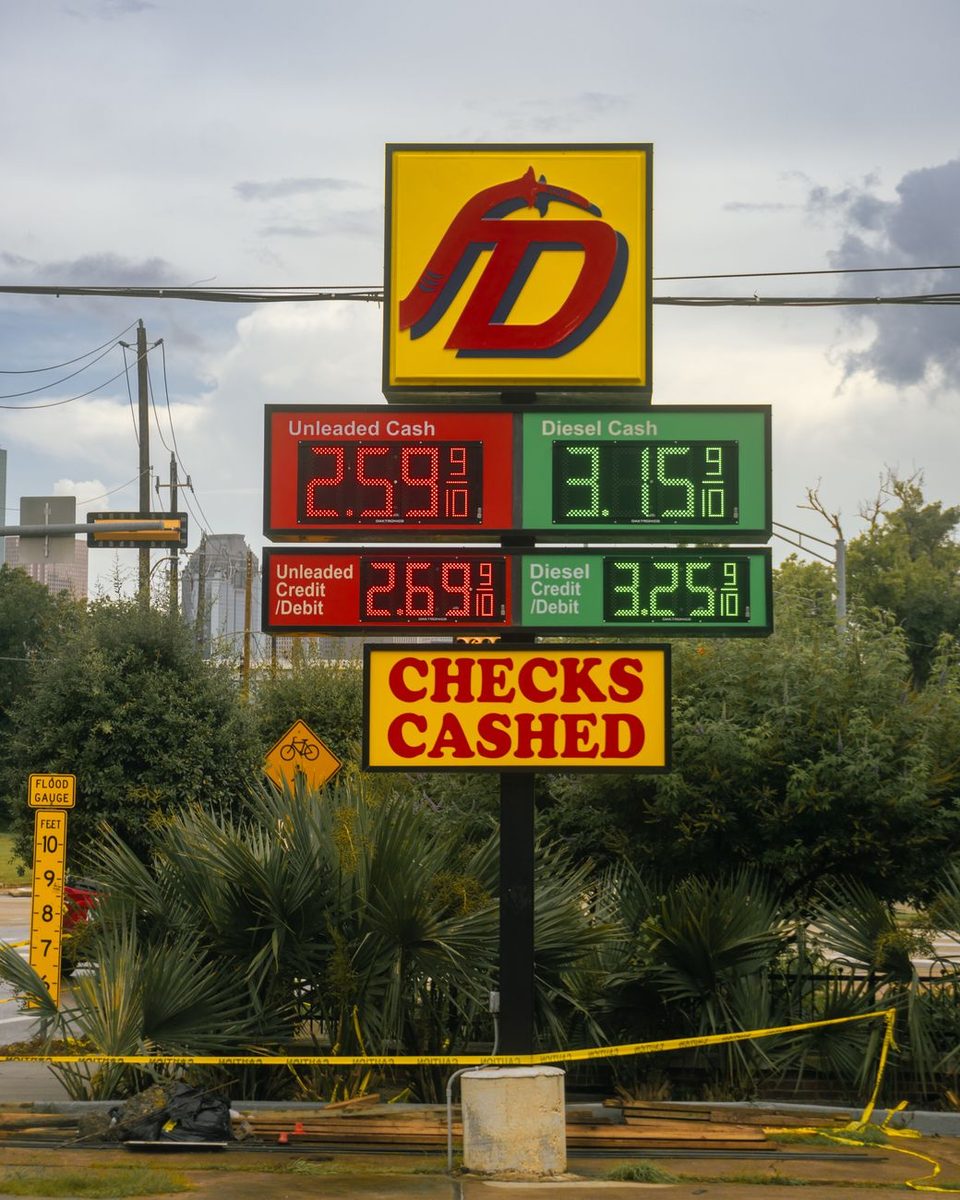
Fuel costs drove the increase. The US-Israeli war with Iran has pushed diesel to record highs and disrupted shipping through the Strait of Hormuz, and tariffs continue to squeeze supply chains. With prices paid rising for 112 straight months, the report suggests inflation could stay elevated into 2027, supporting expectations that the Federal Reserve will keep raising interest rates.

Why it matters

If services prices keep climbing, the Fed will keep hiking, raising borrowing costs for mortgages, credit cards, and business loans through 2027.

Questions about this story

Free account needed to ask — your question is kept and asked for you right after sign-up. Answers are public.

No questions yet — be the first to ask.

Key Indicators

54.9
ISM services PMI, September 2026
Readings above 50 indicate growth; the index fell from 55.4 in August.
74.0
ISM services prices index
Highest since July 2022; prices paid have risen for 112 straight months.
112
Consecutive months of services price increases
Prices paid by services businesses have risen every month since 2017.
17
Industries reporting higher prices in September
No industries reported a decrease in prices paid during the month.
3.75%-4.00%
Federal funds rate target range
Raised by 25 basis points in September, the first hike in three years.

Voices

Curated perspectives — historical figures and your fellow readers.

Ever wondered what historical figures would say about today's headlines?

Sign up to generate historical perspectives on this story.

People Involved

Organizations Involved

Timeline

August 2026 October 2026

3 events Latest: 2 days ago
  1. Services PMI falls to 54.9 as prices hit four-year high

    Latest Data Release

    ISM's September report showed slowing growth but surging input prices, with fuel costs the top concern cited by respondents.

  2. Federal Reserve raises rates for first time in three years

    Policy

    The Fed hiked its benchmark rate by 25 basis points to 3.75%-4.00% and flagged further increases in borrowing costs ahead.

  3. ISM services PMI at 55.4 with prices at 72.6

    Data Release

    August report showed solid growth but already-elevated cost pressures across the services sector.

Scenarios

1

Fed hikes again by early 2027

Likely Resolves by Q1 2027

Discussed by: PNC Economics

PNC Economics expects two more 25 basis point rate hikes through early 2027. If services prices keep rising and the Middle East conflict keeps energy costs elevated, the Fed is likely to follow through. The September hike was the first in three years, and the Fed has flagged further increases.

2

Inflation cools, Fed pauses

Possible Resolves by Jan 31, 2027

Discussed by: CME FedWatch tool, market pricing

Cooler CPI readings for July and August cut market odds of a November hike from 71% to 26%. If inflation continues to moderate despite the ISM price readings, the Fed could hold rates steady through early 2027.

3

Energy shock deepens, forcing faster tightening

Possible Resolves by End of 2026

Discussed by: Reuters, economists quoted in ISM report coverage

If the US-Israeli war with Iran escalates and disrupts more shipping through the Strait of Hormuz, oil prices could spike well above $90 per barrel. That would push services input prices higher and force the Fed to tighten faster than currently expected.

Historical Context

2 moments from history that rhyme with this story — and how they unfolded.

October 1973 - March 1974

1973-74 oil embargo

OPEC members cut oil exports to the US and other Israel allies during the Yom Kippur War. Oil prices quadrupled from about $3 to $12 a barrel, and US inflation hit double digits.

Then

Gas lines, rationing, and a deep recession followed.

Now

The Fed's slow response contributed to a decade of stagflation, ending only after Paul Volcker's aggressive rate hikes in the early 1980s.

Why this matters now

Like today, energy-driven inflation is a supply-side shock that central banks struggle to control without triggering a recession.

2021-2022

2021-2022 inflation surge

Post-pandemic reopening, supply chain disruptions, and stimulus spending drove US inflation to a 40-year high above 9% in June 2022.

Then

The Fed initially called inflation 'transitory,' then hiked rates from near zero to above 5% in about a year.

Now

The tightening brought inflation down but raised recession fears and exposed the costs of waiting too long.

Why this matters now

Shows how supply-side inflation can persist and force the Fed to act even when growth is slowing, much like the current services price pressures.

Sources

(10)