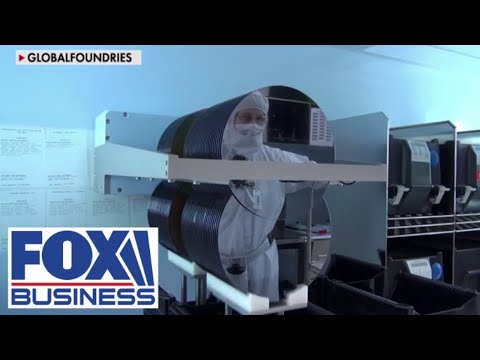
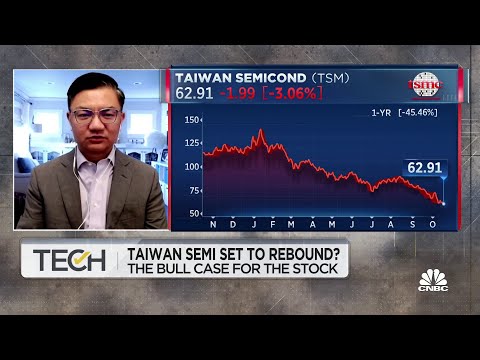
The United States produced 37% of the world's semiconductors in 1990, but by 2024 that share had fallen below 10%, with Taiwan manufacturing over 90% of the most advanced chips. A $500 billion US-Taiwan trade framework was initiated with a January 16, 2026 memorandum and formally signed February 12.
The deal commits Taiwanese firms to $250 billion in direct US investments and $250 billion in credit guarantees for semiconductors, AI, and energy. In exchange, Taiwan's tariff rate drops from 20% to 15%, and the agreement exempts over 2,000 Taiwanese products worth $10 billion. Taiwan also gets preferential Section 232 treatment for US investments.
Taiwan has pledged to buy $85 billion in US goods through 2029, including LNG, aircraft, and power equipment. Taiwan's opposition-controlled Legislative Yuan must ratify the deal amid KMT concerns over industry 'hollowing out'. Commerce Secretary Howard Lutnick's 40% supply chain reshoring target remains the goal; non-participants risk 100% tariffs.
Questions about this story
Free account needed to ask — your question is kept and asked for you right after sign-up. Answers are public.
No questions yet — be the first to ask.
Key Indicators
$500B
Total Taiwan Commitment
$250B direct investment plus $250B credit guarantees for US semiconductor, AI, and energy manufacturing
37% → 10%
US Share of Global Chip Production
America's semiconductor manufacturing share declined from 37% in 1990 to under 10% in 2024
40%
Reshoring Target
Lutnick's goal for Taiwan supply chain capacity to move to the US
15%
New Taiwan Tariff Rate
Non-cumulative rate with exemptions for 2,072 items; matches Japan/South Korea
$85B
Taiwan US Purchases
Commitments through 2029 for LNG, aircraft, power equipment
20 events
Latest: February 12th, 2026 · 8 months ago
Showing 8 of 20
JK to step
Tap a bar to jump to that date
Jump to
February 2026
US-Taiwan Reciprocal Trade Agreement Signed
LatestAgreement
AIT and TECRO sign binding agreement capping US tariffs at 15% (average 12.33% with exemptions for 2,072 items), confirming $500B semiconductor/AI/energy investments, $85B Taiwan purchases of US goods through 2029, and preferential Section 232 treatment. Taiwan Legislative Yuan ratification required.
January 2026
President Lai Warns Legislature on Ratification Delay
Diplomacy
President Lai Ching-te publicly warned Taiwan's legislature that delaying approval of the US trade agreement could cause US tariffs to rise to 25% or higher, escalating pressure on opposition-controlled parliament.
China Escalates Criticism: Deal Will 'Drain Taiwan's Economy'
Diplomacy
China's Taiwan Affairs Office spokesperson Peng Qingen escalated Beijing's rhetoric, arguing the agreement would 'drain Taiwan's economic interests' for American benefit and accusing the DPP of using Taiwan to contain China.
Lutnick Warns Non-Participants Face 100% Tariffs
Trade
Commerce Secretary warns South Korean and Taiwanese chip companies not investing in US production may face up to 100% tariffs, escalating pressure beyond the 15% baseline rate.
$500B US-Taiwan Trade Deal Signed
Agreement
AIT and TECRO sign agreement cutting tariffs to 15% in exchange for $250B investment and $250B credit guarantees. China condemns the deal.
KMT Calls for Legislative Review of Agreement
Diplomacy
Taiwan's opposition Kuomintang party demands legislative review of all US-Taiwan agreements, criticizing lack of transparency and warning the deal risks 'hollowing out' Taiwan's semiconductor industry.
China's Taiwan Affairs Office Condemns Deal as 'Economic Plunder'
Diplomacy
State Council Taiwan Affairs Office spokesperson Zhu Fenglian characterizes the pending agreement as US economic exploitation through tariff intimidation, aimed at siphoning off Taiwan's industrial strength.
Taiwan Announces Consensus Reached
Diplomacy
Taiwan officials announce general consensus with US on trade deal terms ahead of formal signing.
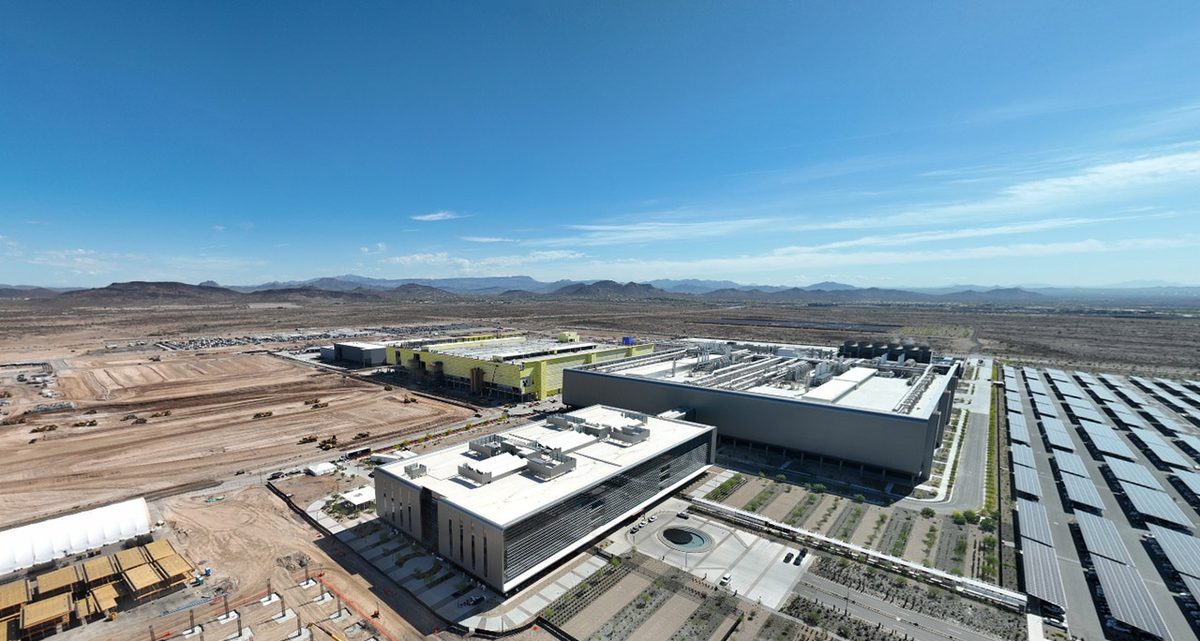
TSMC Purchases 900 Additional Acres in Arizona
Investment
TSMC wins Arizona State Land Department auction with $197.25 million bid for approximately 900 acres adjacent to existing facilities, signaling gigafab cluster expansion.
TSMC Announces Record $56B 2026 Capital Expenditure
Investment
TSMC announced record-breaking capital expenditure of up to $56 billion in 2026 with plans to accelerate US investments, including tool installation for P2 fab in late 2026 and mass production by end of 2027.
October 2025
Nvidia Blackwell Production Begins in Arizona
Milestone
TSMC Arizona starts producing Nvidia's Blackwell AI GPUs, demonstrating advanced chip manufacturing capability on US soil.
August 2025
Taiwan Tariff Set at 20%
Trade
Trump administration revises Taiwan tariff to 20%, exempting semiconductors and electronics while negotiations continue.
April 2025
Trump Tariffs Hit Taiwan at 32%
Trade
Trump administration announces 32% reciprocal tariff on Taiwanese imports, later reduced to 20% while negotiations continue.
March 2025
TSMC Expands US Investment to $165B
Investment
TSMC announces $100 billion expansion of Arizona commitment, adding three fabs, two packaging facilities, and R&D center.
2024-Q4
TSMC Arizona Begins Mass Production
Milestone
First TSMC fab outside Asia begins high-volume production using 4nm process technology for Apple, Nvidia, and AMD.
December 2024
Samsung Receives $4.745B CHIPS Funding
Investment
Samsung Electronics receives CHIPS Act funding for Texas expansion, part of $37 billion regional investment plan.
November 2024
Intel Finalizes $7.86B CHIPS Award
Investment
Intel secures largest CHIPS Act grant for manufacturing projects in Arizona, Ohio, Oregon, and New Mexico.
April 2024
TSMC Receives $6.6B CHIPS Funding
Investment
Commerce Department announces preliminary terms for TSMC funding, company announces third Arizona fab for 2nm technology.
June 2023
First US-Taiwan Trade Agreement Signed
Diplomacy
AIT and TECRO sign initial agreement under the US-Taiwan Initiative on 21st Century Trade covering customs, regulations, and anti-corruption.
August 2022
CHIPS and Science Act Signed
Legislation
President Biden signs $280 billion legislation including $52 billion for domestic semiconductor manufacturing incentives.
Scenarios
1
TSMC Arizona Becomes Major Global Production Hub by 2030
Likely
Discussed by: Commerce Department projections, TSMC corporate guidance, Semiconductor Industry Association
TSMC completes its Arizona gigafab cluster with six fabs, two packaging facilities, and an R&D center. The US share of leading-edge logic production reaches 20-30%, with 80-85% of advanced AI chips still made in Taiwan. This scenario requires sustained investment despite higher US operating costs, successful workforce development, and continued AI demand growth. Commerce Secretary Lutnick's 40% supply chain target falls short, but the US achieves meaningful production redundancy.
2
Taiwan Parliament Blocks or Modifies Agreement
Possible
Discussed by: Kuomintang opposition party statements, Taiwan economic analysts
Taiwan's opposition-controlled legislature either rejects the agreement or demands significant modifications to protect domestic semiconductor dominance. The KMT, which favors closer ties with Beijing, has already criticized the deal. Economic Affairs Minister Kung Ming-hsin's assurances about maintaining 85% advanced chip production in Taiwan by 2030 may not satisfy lawmakers concerned about hollowing out the island's strategic industry. Modified terms could reduce US investment commitments.
3
China Retaliates with Economic or Military Pressure
Possible
Discussed by: Institute for Economics and Peace, China Foreign Ministry, geopolitical analysts
Beijing escalates beyond diplomatic condemnation, potentially restricting rare earth exports critical to semiconductor manufacturing, increasing military exercises near Taiwan, or sanctioning Taiwanese firms participating in US reshoring. China receives over half of Taiwan's chip exports, giving it significant economic leverage. However, aggressive action risks accelerating exactly the supply chain diversification the US seeks. The 'silicon shield' theory—that Taiwan's chip dominance deters Chinese military action—faces its most direct test.
4
US Workforce and Cost Challenges Delay Production Goals
Despite massive investment, the US struggles to train sufficient semiconductor engineers and technicians—a workforce that took Asia decades to develop. TSMC's Arizona fabs have already faced delays and cost overruns compared to Taiwan operations. Operating costs remain 20-50% higher in the US. Production timelines slip, yields underperform Taiwan benchmarks, and the economic case for reshoring weakens. Investment continues but at slower pace than announced.
5
TSMC Arizona Expands to 12 Fabs with $465B Total Investment
Possible
Discussed by: DigiTimes industry sources, EE News Europe analysis, semiconductor supply chain analysts
TSMC accelerates beyond its announced six-fab gigafab cluster to build up to 12 fabrication facilities in Arizona under the expanded trade framework. Total investment reaches $465 billion, tripling the current $165 billion commitment. This scenario assumes sustained AI chip demand growth, successful resolution of workforce challenges, and continued tariff pressure making US production economically viable despite 20-50% higher operating costs than Taiwan. The expansion would represent the largest foreign manufacturing investment in US history.
Historical Context
3 moments from history that rhyme with this story — and how they unfolded.
1 of 3
September 1985
Plaza Accord and Japanese Manufacturing Exodus (1985)
The US, Japan, UK, France, and West Germany agreed to deliberately depreciate the dollar against the yen and other currencies. The yen appreciated from 240 to 120 per dollar within two years, making Japanese exports uncompetitive and triggering massive offshoring of manufacturing to Southeast Asia and China.
Then
The US trade deficit with Germany improved; Japan's export manufacturers faced an exchange rate shock that cut their dollar earnings in half.
Now
Rather than reshoring to America, Japanese firms relocated to lower-cost Asian countries. Japan's asset bubble burst in 1990, beginning its 'lost decades.' Japanese outward foreign direct investment quadrupled as a share of GDP.
Why this matters now
The US-Taiwan semiconductor deal attempts what the Plaza Accord could not achieve: bringing foreign manufacturing to America rather than just making imports more expensive. The 'Taiwan Model' quota system directly ties tariff relief to US production, learning from the Plaza Accord's failure to generate reshoring.
2 of 3
1987 - Present
Silicon Shield Theory and Taiwan's Strategic Value (1987-Present)
Taiwan built the world's dominant semiconductor industry, with TSMC alone producing 90% of the most advanced chips. Analysts developed the 'silicon shield' theory: Taiwan's chip monopoly makes any Chinese military action economically catastrophic for the global economy, including China itself, which receives over half of Taiwan's chip exports.
Then
Taiwan leveraged its chip dominance into deeper US security and economic ties despite lacking formal diplomatic recognition.
Now
The Institute for Economics and Peace estimates a Taiwan conflict would cost $10 trillion globally. However, this same strategic importance has motivated US reshoring efforts that could eventually diminish Taiwan's leverage.
Why this matters now
Commerce Secretary Lutnick explicitly dismissed the silicon shield, arguing Taiwan would be 'safer with more balanced chip production.' The $500 billion deal tests whether diversifying away from Taiwan strengthens or weakens the island's security position.
3 of 3
August 2022 - Present
CHIPS Act and US Semiconductor Revival (2022-Present)
Congress passed $280 billion legislation including $52 billion specifically for semiconductor manufacturing incentives. By late 2025, Commerce had allocated over $32 billion to companies including TSMC ($6.6B), Intel ($7.86B), and Samsung ($4.745B), triggering over $630 billion in announced private investments across 140 projects.
Then
TSMC opened its first fab outside Asia in Arizona in late 2024. Intel, Samsung, and others broke ground on major US facilities.
Now
Commerce projects the US share of leading-edge logic production will rise from 0% in 2022 to 20% by 2030. However, achieving workforce development and cost competitiveness with Asia remains challenging.
Why this matters now
The January 2026 Taiwan deal builds directly on CHIPS Act infrastructure, adding trade policy leverage to subsidy incentives. The combination of tariff threats, tariff relief, and manufacturing subsidies represents a more comprehensive approach than subsidies alone.