
Pull to refresh
Logo
US Treasury sanctions Iranian oil trustees as blockade squeezes crude revenue

US Treasury sanctions Iranian oil trustees as blockade squeezes crude revenue

Force in Play

Four Iranians accused of holding oil proceeds in third countries are named under Operation Economic Outcast

Overview

Updated 1 hour ago

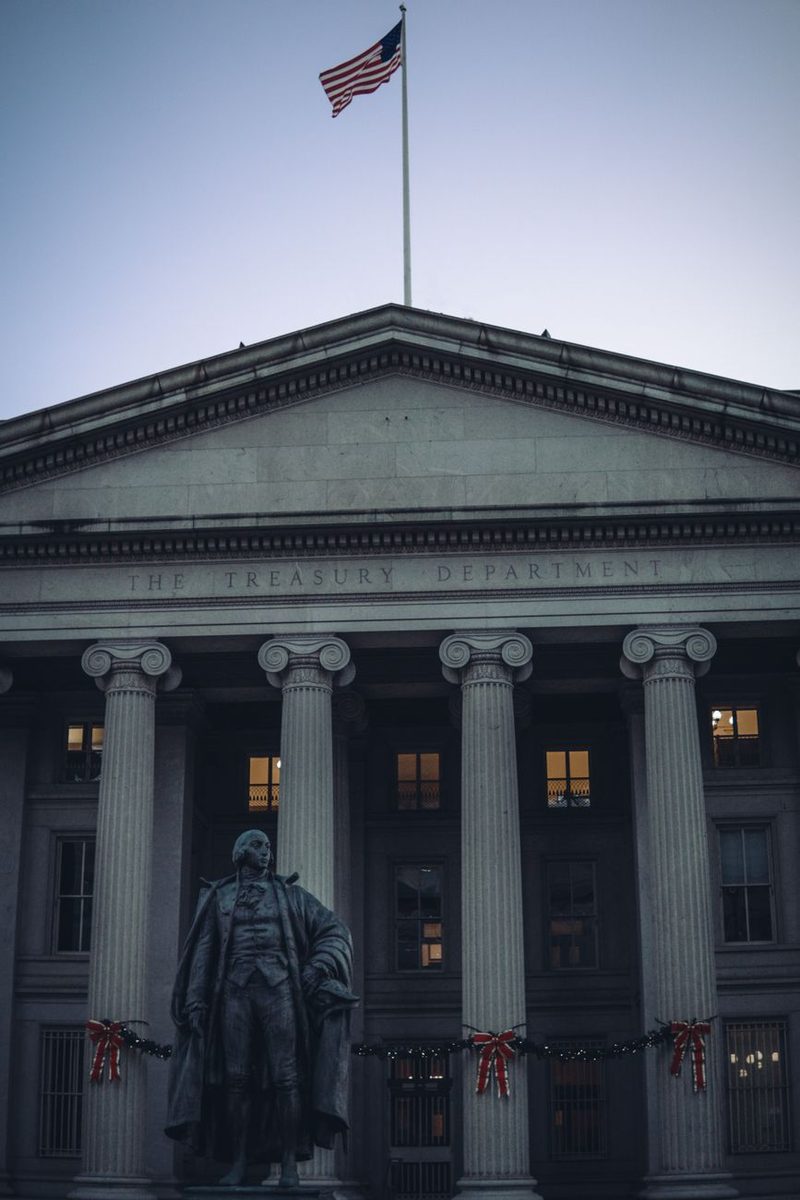
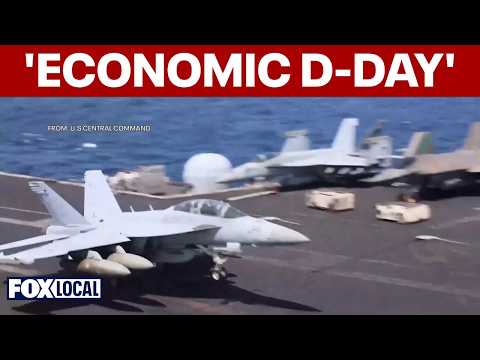
On August 24, the US Treasury announced what it called Economic D-Day: an operation to sever the last revenue channels feeding Iran's government. On November 20, it named four Iranians it says are holding the money from oil Iran has already sold.

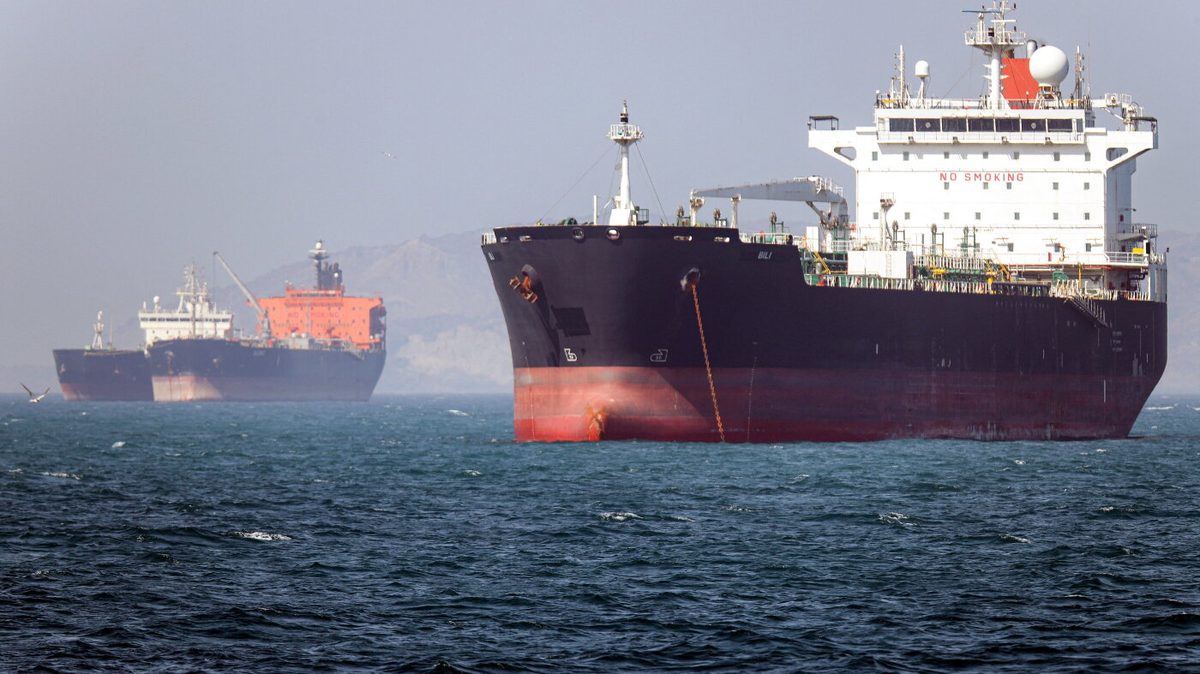
Treasury says a US naval blockade has stopped crude from loading at Iranian ports since the operation began, a claim it has not independently verified. That leaves the government's remaining reachable cash with intermediaries in third countries, several of whom Treasury says owe Tehran billions from earlier sales.

Why it matters

With Iran's oil stuck at port, a handful of private traders control the cash the government still needs. Their loyalty is now the sanctions target.

Questions about this story

Free account needed to ask — your question is kept and asked for you right after sign-up. Answers are public.

No questions yet — be the first to ask.

Key Indicators

4
Iranians designated on November 20
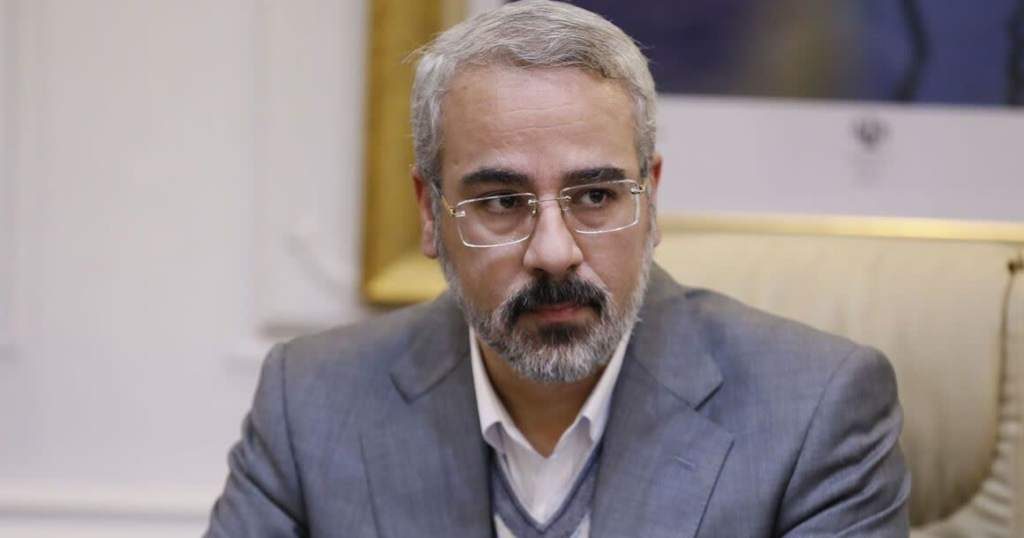
Treasury named Mohammad Javad Bavand, Majid Taj, Mohammadhossein Servati and Mojtaba Arabnejad.
0
Crude loadings since August 24, per Treasury
Treasury says no oil has loaded onto vessels since Operation Economic Outcast began; the figure has not been independently confirmed.
72 million
Barrels of crude under Iranian parliamentary review
Lawmaker Valiollah Bayati has asked the oil ministry to account for the crude allocated to intermediaries.

Voices

Curated perspectives — historical figures and your fellow readers.

Sign up to generate historical perspectives on this story.

People Involved

Organizations Involved

Timeline

September 2020 November 2026

4 events Latest: Today
Tap a bar to jump to that date
  1. Iranian lawmakers question trustee selection

    Today Oversight

    Parliament members seek records on how intermediaries were chosen and what guarantees they gave for returning revenue.

  2. Four alleged oil trustees designated

    Sanctions

    Treasury names Bavand, Taj, Servati and Arabnejad, saying Iran's exported oil is gone and only the money held abroad remains.

  3. Operation Economic Outcast begins

    Policy

    Treasury Secretary Scott Bessent announces a campaign to cut Iran's remaining revenue channels, calling it Economic D-Day.

  4. Petroleum sanctions authority created

    Policy

    Executive Order 13902 authorizes sanctions on anyone operating in Iran's petroleum, petrochemical and aviation sectors.

Scenarios

1

Treasury widens sanctions to Chinese refineries and tankers

Likely Resolves by Q1 2027

Discussed by: Treasury's own statements about accelerating enforcement against non-US persons doing business with Iran

Treasury says the operation expands sanctions exposure for anyone outside the US who keeps dealing with Iran, and that it will speed up enforcement. The named trustees moved crude through front companies that brokered cargoes to small Chinese refineries. The logical next target is those buyers and the ships that serve them.

2

Blockade holds and no Iranian crude loads through the first quarter

Possible Resolves by Q1 2027

Discussed by: Treasury, which says no oil has loaded onto vessels since August 24

If the naval blockade keeps holding, Iran's export revenue stays near zero and the government's only reachable cash is what intermediaries already hold. That would push Tehran harder against its own trustees to recover funds, and make the November 20 designations the template for the next round.

3

Iranian crude flows again despite the blockade

Possible Resolves by Q1 2027

Discussed by: Analysts who note Treasury's zero-loading claim could not be independently verified

Sanctions regimes leak. Ship-to-ship transfers, dark fleet tankers and reflagged vessels have kept Iranian crude moving through earlier enforcement campaigns. If loadings resume, the trustees become more valuable, not less, and Treasury's pressure shifts from the sellers back to the money handlers.

4

Tehran charges one of its own oil trustees

Unlikely Resolves by Q2 2027

Discussed by: Iranian parliament members including Valiollah Bayati, who have demanded records on the selection process

Iran's parliament is asking who chose the intermediaries, what guarantees they gave and whether debtors got more cargoes. If the inquiry produces a case, it would follow the path of the Babak Zanjani prosecution a decade ago, where a sanctioned oil middleman became the scapegoat for a system that created him.

Historical Context

3 moments from history that rhyme with this story — and how they unfolded.

2012-2016

Babak Zanjani and the first oil trustees (2012-2016)

As US and European sanctions tightened during Mahmoud Ahmadinejad's presidency, Zanjani built an international network of companies and banks able to sell Iranian crude and move the proceeds when ordinary channels closed. Iran's government later accused him of keeping billions in oil revenue for himself.

Then

Zanjani was convicted of corruption and sentenced to death in 2016.

Now

He became the reference case for how sanctions produce a class of billionaire intermediaries whose loyalty the state cannot enforce.

Why this matters now

The four men designated on November 20 occupy the same role, and Iranian lawmakers are asking the same question about them: who selected them, and what happens when they don't hand the money back.

1996-2003

UN Oil-for-Food programme (1996-2003)

Iraq sold oil through a UN-supervised escrow account, with proceeds meant for food and medicine. Baghdad issued oil vouchers to chosen intermediaries and, investigators later found, collected illegal surcharges from buyers on top of the official price.

Then

The programme ended in 2003 after the US invasion, and the Volcker inquiry implicated hundreds of companies and individuals.

Now

It became the standard case study in how a sanctioned state outsources oil sales to intermediaries, and how those intermediaries become the point where revenue leaks.

Why this matters now

Iran's trustees are the same mechanism with different names: the state cannot sell directly, so it rents access from private traders who control the cash.

2012-2015

The 2012 oil embargo and the nuclear deal (2012-2015)

The US and European Union barred purchases of Iranian crude and cut the central bank off from international payments. Iran's oil exports fell sharply and its currency and budget came under strain.

Then

Tehran agreed to limits on its nuclear programme in the 2015 Joint Comprehensive Plan of Action, and oil and banking sanctions were lifted.

Now

The US withdrew from the deal in 2018 and reimposed sanctions, which produced the current intermediary system.

Why this matters now

The earlier embargo shows how much pressure a full oil cutoff can generate, and how quickly relief can be reversed. The current blockade is a harder version of that lever.

Sources

(8)