The world's largest economy exits the global health agency it helped build, leaving $278 million unpaid and a quarter of WHO staff facing layoffs. As the WHO Executive Board convenes to address the withdrawal, other nations face pressure to follow.
The world's largest economy exits the global health agency it helped build, leaving $278 million unpaid and a quarter of WHO staff facing layoffs. As the WHO Executive Board convenes to address the withdrawal, other nations face pressure to follow.
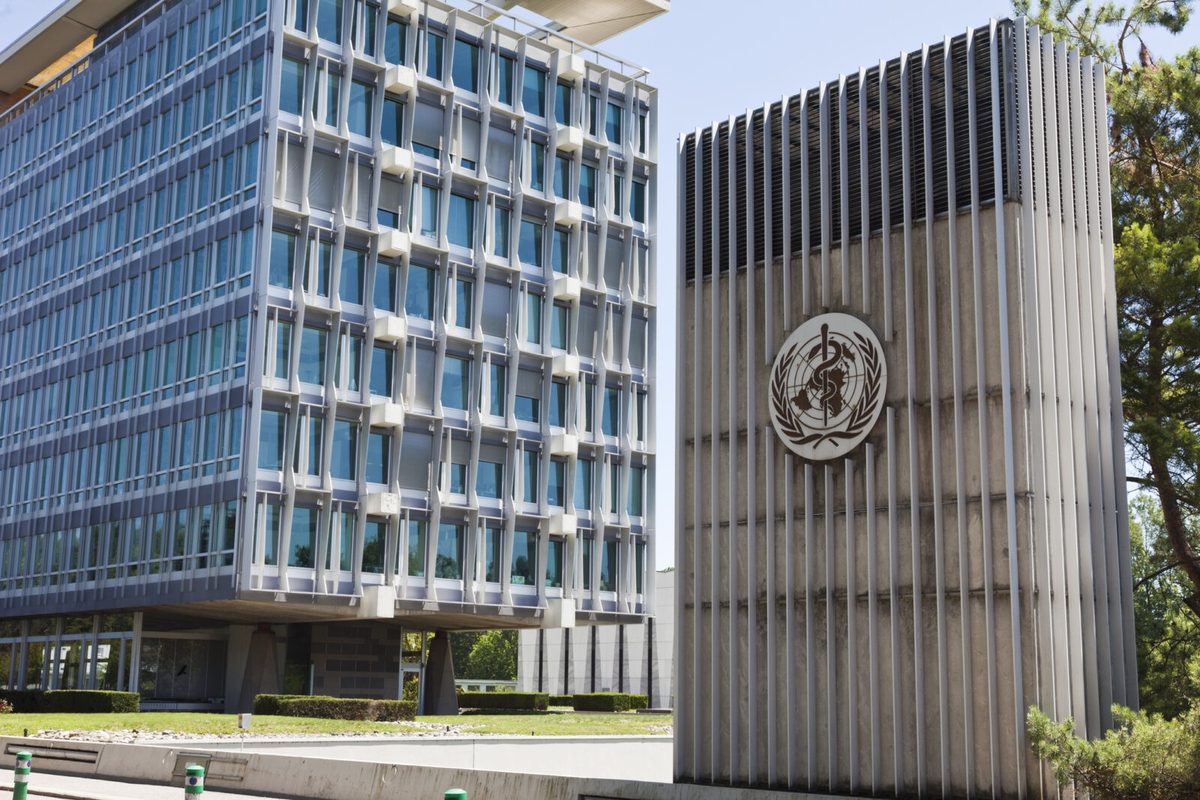
The U.S. joined the WHO on June 14, 1948, three years after helping design the agency, and became the first to withdraw on January 22, 2026, ending 77 years of involvement. Secretary of State Marco Rubio and HHS Secretary Robert F. Kennedy Jr. cited the WHO's 'failures during the COVID-19 pandemic' and its inability to demonstrate independence from 'inappropriate political influence.' The U.S. left without paying between $130 million and $278 million in disputed dues.
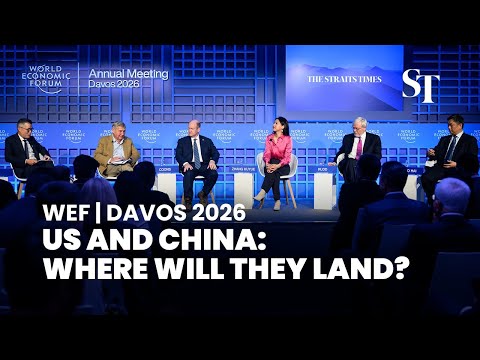
The U.S. departure strips the WHO of its largest funder (18% of budget) and triggers layoffs of roughly a quarter of its workforce by mid-2026. The U.S. also loses access to disease surveillance networks that inform vaccine development—at a moment when CDC staffing is down 25%, USAID is closed, and the White House pandemic office is empty. Bill Gates, whose foundation is now WHO's largest non-governmental funder, told Reuters at Davos he doesn't expect the U.S. to rejoin 'in the near future' but pledged to advocate for re-engagement.
Questions about this story
Free account needed to ask — your question is kept and asked for you right after sign-up. Answers are public.
No questions yet — be the first to ask.
Key Indicators
77
Years of US Membership
The U.S. was a founding member of WHO in 1948 and served as its largest funder for decades
$130-278M
Unpaid Dues (Disputed)
WHO claims $278M owed for 2024-2025; U.S. State Department acknowledges $130M but denies obligation to pay
18%
WHO Budget from US
Share of WHO's total funding that came from U.S. assessed and voluntary contributions
25%
WHO Staff Cuts
Proportion of WHO workforce expected to be laid off by mid-2026 following U.S. exit
15 events
Latest: January 23rd, 2026 · 8 months ago
Showing 8 of 15
JK to step
Tap a bar to jump to that date
Jump to
January 2026
Rubio and Kennedy Announce Withdrawal Complete
LatestPolitical
Secretary of State Marco Rubio and HHS Secretary Robert F. Kennedy Jr. issue joint statement declaring the U.S. withdrawal from WHO complete, citing the agency's 'failures during the COVID-19 pandemic' and political influence from hostile nations.
Gates Says U.S. Won't Rejoin 'In the Near Future'
Political
Speaking at Davos, Bill Gates tells Reuters he does not expect the U.S. to reconsider WHO membership in the short term, but pledges to continue advocating for rejoining, stating 'The world needs the World Health Organization.'
U.S. Officially Exits WHO
Legal
One year after formal notice, the U.S. withdrawal takes effect. The U.S. leaves without paying $278 million in assessed contributions for 2024-2025.
U.S. Withdraws from 66 International Organizations
Policy
Trump signs executive order withdrawing from 66 additional international bodies, extending the retreat from multilateral institutions.
July 2025
USAID Officially Shuts Down
Institutional
The 64-year-old foreign aid agency ceases operations; 97% of staff laid off, remaining functions merged into State Department.
May 2025
WHO Pandemic Treaty Adopted Without U.S.
International
After three years of negotiations, WHO's 193 remaining member states adopt the new pandemic treaty; the U.S., previously a key negotiator, is excluded.
China Pledges $500M to WHO
Financial
At the World Health Assembly, China commits $500 million in voluntary contributions over five years, positioning itself to become WHO's largest national contributor.
February 2025
RFK Jr. Confirmed as HHS Secretary
Political
Senate confirms Robert F. Kennedy Jr. 52-48 to lead HHS, with Mitch McConnell the sole Republican voting no.
Argentina Announces WHO Withdrawal
International
President Milei announces Argentina will also withdraw from WHO, citing 'deep differences' over COVID-19 management.
January 2025
WHO Receives Formal Notice
Legal
WHO acknowledges receipt of withdrawal notice, starting the one-year departure timeline required by U.S. law.
Trump Signs Second Withdrawal Order
Legal
Hours after inauguration, Trump signs Executive Order 14155 directing withdrawal from WHO, halting all funding transfers, and recalling U.S. personnel.
January 2021
Biden Reverses Withdrawal
Policy
On his first day in office, Biden signs executive order halting withdrawal and restoring U.S. funding to WHO.
July 2020
First Withdrawal Notice Submitted
Legal
Trump administration formally notifies UN Secretary-General of intent to withdraw, starting one-year clock.
April 2020
Trump Halts WHO Funding During COVID
Policy
Trump announces freeze on U.S. contributions to WHO, accusing the agency of mismanaging the COVID-19 pandemic and favoring China.
June 1948
U.S. Joins WHO as Founding Member
Establishment
President Truman signs joint resolution making the U.S. a founding member of the World Health Organization, reserving the unique right to withdraw.
Scenarios
1
U.S. Remains Outside WHO for Duration of Trump Term
Likely
Discussed by: Georgetown's Lawrence Gostin; Brown University's Beth Cameron; Foreign Affairs analysts
With no legal challenge filed and no congressional movement to block the withdrawal, the U.S. remains outside WHO through at least January 2029. China expands its influence as WHO's largest national contributor. The U.S. loses access to WHO surveillance networks and relies on bilateral agreements that experts say cannot replicate multilateral intelligence-sharing. A future administration could rejoin, as Biden did in 2021, but would need to pay accumulated dues and rebuild relationships.
2
Disease Outbreak Forces Emergency Re-Engagement
Possible
Discussed by: Jeremy Konyndyk (Refugees International); Nikki Romanik (Brown University); public health researchers
A novel pathogen emerges—potentially from the avian influenza strains already circulating in U.S. livestock—and spreads internationally. Without WHO membership, the U.S. receives delayed intelligence and faces barriers accessing internationally coordinated vaccine development. Domestic pressure forces emergency bilateral arrangements with WHO or ad-hoc participation in outbreak response, but without the institutional relationships built over decades.
3
WHO Member States Challenge Withdrawal Over Unpaid Dues
Unlikely
Discussed by: Legal scholars; WHO governance experts; Congressional Research Service
At the February 2026 Executive Board meeting or May World Health Assembly, member states formally dispute whether the U.S. withdrawal is valid given the unpaid $278 million. While U.S. law requires dues payment before departure, WHO's constitution lacks explicit withdrawal provisions. Member states could maintain the U.S. as technically a member in arrears, creating legal ambiguity but no practical change in U.S. participation.
4
Other Nations Follow U.S. and Argentina
Unlikely
Discussed by: European policy analysts; Health Policy Watch; Euronews
Hungary's Viktor Orbán and Italian right-wing politicians have publicly considered following the U.S. out of WHO. If additional withdrawals materialize, the agency faces compounding budget crises and potential institutional breakdown. However, most nations lack the special withdrawal provision the U.S. negotiated in 1948, making their exits legally complicated under the Vienna Convention's one-year notice requirement.
Historical Context
3 moments from history that rhyme with this story — and how they unfolded.
1 of 3
December 1984 – October 2003
U.S. Withdrawal from UNESCO (1984-2003)
The Reagan administration withdrew from UNESCO in 1984, citing mismanagement, politicization, and perceived Soviet influence. The UK and Singapore followed. The U.S. remained outside for 19 years, during which UNESCO reformed its governance and the organization continued without its largest funder.
Then
UNESCO lost approximately 25% of its budget. The organization scaled back programs but continued operating.
Now
The U.S. rejoined under George W. Bush in 2003, finding a reformed organization. Trump withdrew again in 2017; the U.S. rejoined under Biden in 2023, then withdrew once more in 2025.
Why this matters now
Demonstrates that U.S. withdrawal from international organizations can span decades and that agencies can survive without U.S. funding—but also that re-entry is possible when administrations change.
2 of 3
November 1919 – March 1920
U.S. Rejection of the League of Nations (1919-1920)
Despite President Wilson's central role in designing the League of Nations, the Senate refused to ratify the Treaty of Versailles, blocking U.S. membership. Isolationist senators argued the League would entangle the U.S. in foreign conflicts.
Then
The League launched in 1920 without its intended leader. The U.S. never joined.
Now
The League's inability to prevent World War II is partly attributed to U.S. absence. After 1945, the U.S. helped design the UN to avoid repeating the failure—including WHO.
Why this matters now
Illustrates how U.S. retreat from multilateral institutions it helped create can undermine those institutions' effectiveness and, ultimately, American interests.
3 of 3
March 2014 – June 2016
WHO Response to 2014 Ebola Outbreak
Ebola spread across Guinea, Sierra Leone, and Liberia, killing over 11,000 people. WHO faced criticism for slow initial response. The U.S. deployed 3,000 military personnel to West Africa and contributed over $2.4 billion to the response, ultimately playing a decisive role in containing the outbreak.
Then
The outbreak was contained after 28 months. U.S. leadership was credited as essential to the response.
Now
WHO reformed its emergency response systems, creating the Health Emergencies Programme. The episode demonstrated U.S. capacity to mobilize global health responses.
Why this matters now
Shows what U.S. engagement with WHO accomplished—and what capabilities the U.S. is now stepping away from at a time when CDC is facing its own staffing cuts.