



Pull to refresh
Logo
USCIS bars denied asylum seekers from refiling the same claim

USCIS bars denied asylum seekers from refiling the same claim

Rule Changes

Rule takes effect immediately, part of a broader 2026 asylum tightening

Yesterday: Re-application bar announced

Overview

Updated Yesterday

A person denied asylum in the United States can no longer file a new application on the same claim. The rule took effect immediately, covering every new and pending asylum application.

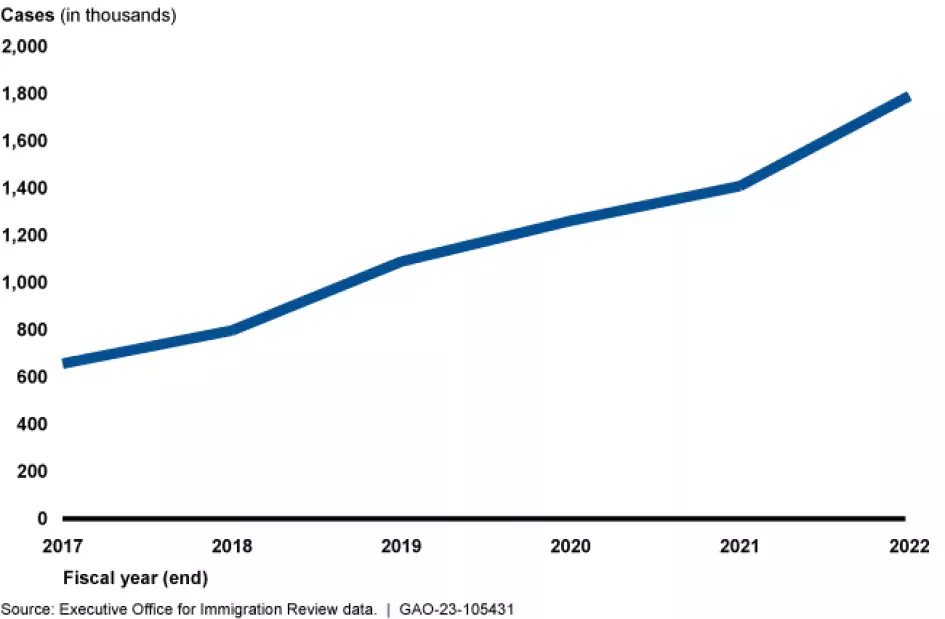
The change is one of several immigration restrictions the Department of Homeland Security issued in 2026. The agency can now send asylum cases to immigration court without an interview, and it has restricted work permits for applicants. Those moves come with 2.3 million asylum claims pending and 3.5 million immigration cases on the court docket.

Why it matters

Denied asylum once, seekers can no longer refile on the same claim. The path into America's asylum system just narrowed.

Questions about this story

Free account needed to ask — your question is kept and asked for you right after sign-up. Answers are public.

No questions yet — be the first to ask.

Key Indicators

1.43M
Affirmative asylum backlog (end FY2025)
Cases awaiting adjudication at USCIS asylum offices.
2.3M
Pending asylum claims
Asylum claims pending across courts and USCIS as of July 2026.
3.5M
Immigration cases on court docket
Total pending immigration cases DHS cited in its September letter.
$470K
Fine against one immigration lawyer
Penalty on Suraj Raj Singh for filing fraudulent documents in 54 cases.

Voices

Curated perspectives — historical figures and your fellow readers.

Ever wondered what historical figures would say about today's headlines?

Sign up to generate historical perspectives on this story.

People Involved

Organizations Involved

Timeline

February 2026 September 2026

4 events Latest: Yesterday
Tap a bar to jump to that date
  1. Re-application bar announced

    Latest Rule Change

    USCIS says previously denied asylum applicants can no longer file new applications based on the same or similar claims, effective immediately.

  2. DHS warns immigration lawyers

    Statement

    DHS general counsel sends a letter to the immigration bar, saying frivolous claims carry penalties and lawyers helped create the backlog.

  3. Asylum officers can skip interviews

    Rule Change

    An interim final rule lets asylum officers send affirmative asylum cases to immigration court without holding an interview first.

  4. Work-permit rule tied to asylum processing

    Rule Change

    DHS publishes a rule pausing employment authorization applications when affirmative asylum processing runs past 180 days.

Scenarios

1

Federal court blocks the re-application bar

Possible Resolves by Q2 2027

Discussed by: Immigrant advocacy groups such as the ACLU and AILA, plus immigration law scholars

Advocacy groups file suit, arguing the rule conflicts with the immigration law exception that allows refiling when circumstances change materially. A judge issues a preliminary injunction or vacates the rule, letting previously denied applicants file again while the case proceeds.

2

Rule stands, re-application door closes permanently

Likely Resolves by Sep 19, 2027

Discussed by: DHS statements and Federal Register analysis

Courts defer to the agency's reading of the immigration law, and the bar holds. Denied applicants can no longer refile on the same claim, compounding the effect of the interview-removal and work-permit rules already in place. The asylum system narrows further without new legislation.

3

DHS expands restrictions to other asylum gateways

Possible Resolves by Q2 2027

Discussed by: Immigration policy analysts tracking DHS rulemaking

With the bar in place, DHS tightens other entry points — expanding the categories of cases referred to court without interview, or restricting the changed-circumstances exception. Another rule appears in the Federal Register within the year.

Historical Context

2 moments from history that rhyme with this story — and how they unfolded.

September 1996

Illegal Immigration Reform and Immigrant Responsibility Act (1996)

Congress passed IIRIRA, which set a one-year deadline for filing asylum and made a knowingly frivolous application grounds for a permanent bar from most immigration relief. The law was a direct response to what lawmakers called asylum fraud and abuse.

Then

Asylum filings dropped in the years after; the one-year deadline became a common reason for denial.

Now

It established the legal architecture of bars, deadlines, and penalties that today's rules extend.

Why this matters now

The 2026 re-application bar builds directly on IIRIRA's framework of penalties for repeat and frivolous asylum claims.

March 2020 - May 2023

Title 42 border expulsions (2020-2023)

Federal health officials invoked a public-health law (Title 42) to expel migrants at the border without asylum hearings — a sharp break from standard processing. The policy stayed in place for three years before being lifted.

Then

Border expulsions surged while it lasted, creating a corridor for rapid removal.

Now

Court fights and policy reversals over Title 42 showed how contested administrative asylum limits become, and how quickly rules can shift access.

Why this matters now

Like Title 42, the 2026 rules change asylum access through regulation rather than legislation, and advocates say they will challenge them in court.

Sources

(9)