

Pull to refresh
Logo
Virbac agrees to buy Kansas cattle health firm Axiota

Virbac agrees to buy Kansas cattle health firm Axiota

Money Moves

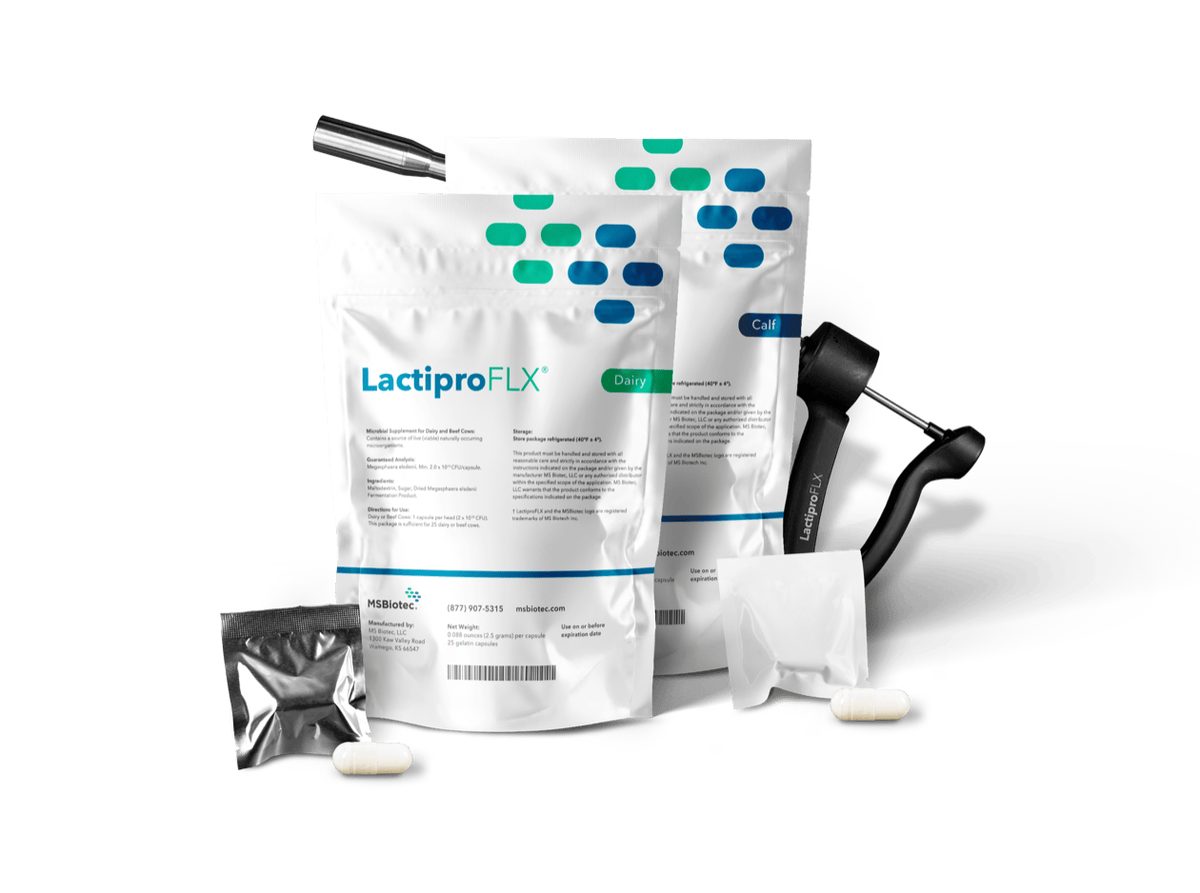
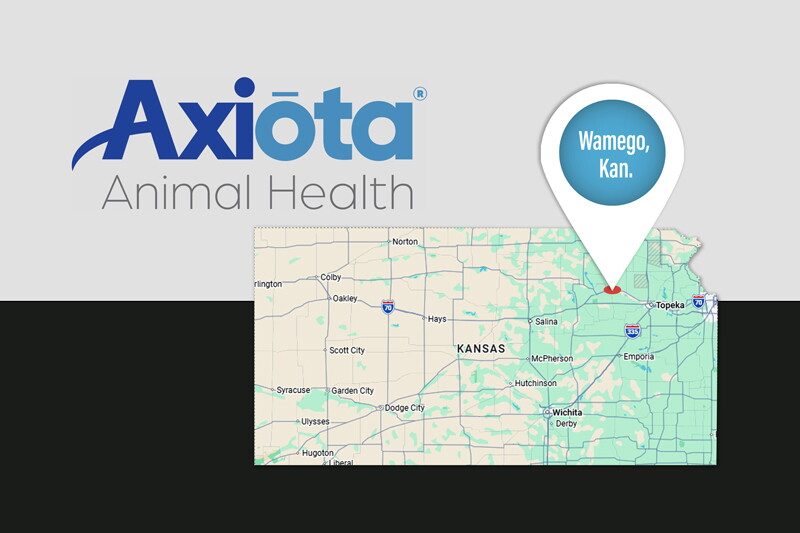
The $315 million all-cash deal hands the French animal health company a U.S. cattle business built on Multimin and Lactipro, plus a plant in Wamego, Kansas.

Overview

Updated 42 minutes ago

Virbac already sells Multimin, Axiota's injectable trace mineral for cattle, in Europe, South Africa and the Pacific. On November 25 the French animal health company agreed to buy the product's owner outright for $315 million in cash, along with its Kansas production site and its U.S. sales force.

The purchase adds about $47 million of U.S. revenue and 130 employees, most of them a dairy, beef and feedlot sales team. Virbac expects the deal to lift its adjusted operating margin by roughly 30 basis points in 2027 and about 50 by 2030, part of its target of a 20% margin by the end of the decade.

Why it matters

Axiota sells preventive, non-antibiotic cattle products. Buying it hands Virbac a 130-person U.S. sales team and a market it has only served as a distributor.

Questions about this story

Free account needed to ask — your question is kept and asked for you right after sign-up. Answers are public.

No questions yet — be the first to ask.

Key Indicators

$315M
Purchase price
All-cash price for 100% of Axiota's shares, or just under 10% of Virbac's stock market value.
$57M
Axiota net revenue, Virbac standards
Fiscal 2026 revenue restated to Virbac's accounting and excluding sales to Virbac itself.
$47M
U.S. revenue added
The American share of Axiota's sales, the core of the strategic rationale.
130
Employees joining Virbac
Includes the Wamego, Kansas production and research site.
~5.5x
Price to revenue
Derived from $315 million against about $57 million of net revenue.
~50 bps
Margin accretion by 2030
Expected addition to Virbac's adjusted EBIT margin, versus roughly 30 basis points in 2027.

Voices

Curated perspectives — historical figures and your fellow readers.

Sign up to generate historical perspectives on this story.

People Involved

Organizations Involved

Timeline

1 event Latest: 2 days ago
  1. Virbac signs $315 million deal for Axiota

    Latest Acquisition

    Virbac agrees to buy 100% of the Kansas cattle health company in cash, adding about $47 million of U.S. revenue. Closing depends on Hart-Scott-Rodino antitrust clearance and is expected by end of January 2027.

Scenarios

1

Virbac closes the Axiota purchase in January 2027

Likely Resolves by Feb 15, 2027

Discussed by: Virbac's own announcement, which sets the timeline and says the deal will add to revenue and margin

Virbac expects the deal to clear Hart-Scott-Rodino antitrust review without a lengthy investigation and close by the end of January 2027. On that path, Axiota's U.S. sales team starts selling Virbac's farm animal portfolio in the first quarter, and the margin contribution begins showing up in 2027 results.

2

Antitrust review pushes closing past the first quarter

Unlikely Resolves by Q2 2027

Discussed by: Antitrust lawyers and deal analysts who track Hart-Scott-Rodino second requests, though no filing has been flagged in the record

U.S. antitrust agencies can extend a review by requesting additional information, which typically delays closing by months. Virbac and Axiota overlap in injectable trace minerals for cattle, a narrow market, so a long review would be unusual but not impossible.

3

The deal is terminated before closing

Unlikely Resolves by Q2 2027

Discussed by: No public party predicts this; it is the standard failure case for signed but unclosed acquisitions

A definitive agreement can still unravel if antitrust agencies sue to block it or if either side walks away under the contract's terms. Nothing in the record suggests that risk is elevated here, and both sides described the transaction as agreed.

Historical Context

2 moments from history that rhyme with this story — and how they unfolded.

2016-2017

Boehringer Ingelheim and Sanofi swap Merial for consumer health (2016-2017)

Sanofi traded its animal health unit Merial to Boehringer Ingelheim in exchange for Boehringer's consumer healthcare business. The swap, announced in 2016 and completed in January 2017, gave the German company a large U.S. livestock and pet portfolio overnight.

Then

Boehringer folded Merial's U.S. livestock operations into its existing animal health business and became one of the largest companies in the sector.

Now

The transaction showed that animal health scale could be bought rather than built, and it reset the rankings of the global industry.

Why this matters now

Virbac is making the same bet on a smaller scale: buying an established U.S. cattle business instead of growing one customer at a time.

2019-2020

Elanco buys Bayer Animal Health (2019-2020)

Elanco, spun off from Eli Lilly, agreed in August 2019 to buy Bayer's animal health unit, adding parasite treatments and vaccines for pets and livestock. The deal closed in August 2020.

Then

Elanco financed the purchase with debt and stock, and integration and cost cutting dominated its results for the next two years.

Now

The deal cemented consolidation in animal health, with a handful of large companies controlling most of the market for livestock and pet medicines.

Why this matters now

It shows both the scale available to animal health buyers and the balance-sheet weight of paying for it. Virbac is using cash worth just under a tenth of its market value, a smaller stretch.

Sources

(8)