


Pull to refresh
Logo
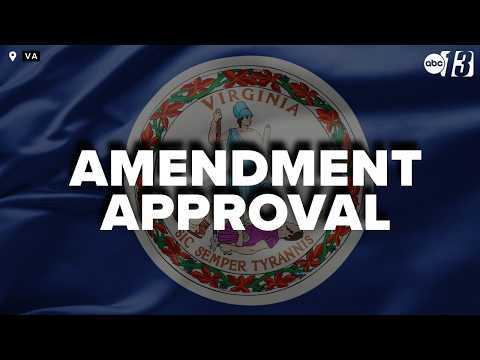
Virginia voters add abortion, marriage and voting rights to the state constitution

Virginia voters add abortion, marriage and voting rights to the state constitution

Rule Changes

All three amendments passed with 56% to 62% support; a court hearing on the abortion measure is set for Nov. 13.

Overview

Updated Yesterday

Virginia's constitution now guarantees access to abortion and contraception, protects same-sex and interracial marriage, and restores voting rights automatically when someone leaves prison. Voters approved all three amendments on Nov. 3, with support ranging from 56.5% to 62.4% across the three questions.

Each change pulls a decision away from the legislature and governor and into a document that only another statewide vote can alter. A Tazewell County judge hears a challenge on Nov. 13 arguing the abortion amendment's ballot wording misled voters.

Why it matters

Virginia's legislature can no longer restrict abortion, ban same-sex marriage or strip former felons of the vote without another constitutional amendment.

Questions about this story

Free account needed to ask — your question is kept and asked for you right after sign-up. Answers are public.

No questions yet — be the first to ask.

Key Indicators

62.4%
Yes share, Question 1 (reproductive freedom)
Unofficial count as of the day after the election, with 37.6% voting no.
57.5%
Yes share, Question 2 (marriage equality)
Nearly identical to the 57.1% that passed the 2006 same-sex marriage ban it replaces.
56.5%
Yes share, Question 3 (voting rights restoration)
Restores voting rights automatically on release from incarceration.
3
Amendments approved
All three ballot questions passed; results are unofficial until certified.
235,000
Virginians told they should never have lost voting rights
State notifications sent in September 2026 after a federal ruling narrowed disqualifying crimes.

Voices

Curated perspectives — historical figures and your fellow readers.

Sign up to generate historical perspectives on this story.

People Involved

Organizations Involved

Timeline

June 2022 November 2026

9 events Latest: Yesterday
Tap a bar to jump to that date
  1. Unofficial counts hold above 56% on every question

    Latest Results

    Question 1 finishes near 62.4%, Question 2 near 57.5% and Question 3 near 56.5%.

  2. Voters approve all three amendments

    Election

    The Associated Press calls Question 1 shortly after 9 p.m. and Questions 2 and 3 by 9:34 p.m.

  3. State notifies about 235,000 Virginians of restored rights

    Government action

    Officials tell residents they should never have lost the vote under the narrowed disqualifying-crimes standard.

  4. Second passage puts all three on the ballot

    Legislative

    The General Assembly approves the amendments a second time, referring them to voters in November.

  5. Legislature passes the amendments for the first time

    Legislative

    Democratic majorities approve the reproductive, marriage and voting rights amendments in the first of two required sessions.

  6. House Republicans defeat the abortion amendment

    Legislative

    The amendment fails in the House of Delegates, stopping the two-session process before it reaches voters.

Scenarios

1

All three amendments certified and written into the constitution

Likely Resolves by End of 2026

Discussed by: The Associated Press, which called all three races, and the Virginia Department of Elections

The State Board of Elections certifies the results, and the new language replaces the 2006 marriage ban and the felony disenfranchisement provisions. The reproductive amendment takes effect as written: abortion protected through the second trimester, contraception and fertility care shielded, providers insulated from prosecution. The Nov. 13 hearing does not stop certification.

2

Judge blocks certification of the abortion amendment

Unlikely Resolves by Q2 2027

Discussed by: The Founding Freedoms Law Center, which filed the suit, and Family Foundation Action

The Tazewell Circuit Court finds the ballot wording for Question 1 misled voters and orders the state not to certify the result. That would freeze the reproductive rights amendment while leaving Questions 2 and 3 in place. The state would likely appeal, and any appeal would run through Virginia's higher courts.

3

Abortion amendment certified late, after a prolonged appeal

Possible Resolves by Q3 2027

Discussed by: Virginia Mercury election coverage; the amendment's opponents have said they expect the dispute to continue

The Nov. 13 hearing produces a ruling either way, and the losing side appeals. Certification of Question 1 slips past Jan. 1, 2027, while Questions 2 and 3 take effect on schedule. The reproductive amendment's protections begin on the date the certified text is published, not on Election Day.

Historical Context

3 moments from history that rhyme with this story — and how they unfolded.

1902

Virginia's 1902 Constitution (1902)

A convention led by Carter Glass wrote felony disenfranchisement and other voting barriers into Virginia's constitution, with the stated purpose of keeping Black Virginians from the polls. The list of disqualifying crimes later grew past 1,000. Only the governor could restore a lost vote.

Then

The provisions carried into the 1971 constitution and stayed in force for more than a century.

Now

By 2016, one in five Black Virginians was permanently barred from voting, and about 250,000 people were unable to vote after leaving prison as of 2024.

Why this matters now

Question 3 replaces that framework with automatic restoration on release from incarceration and writes a fundamental right to vote into the constitution.

November 2006

Marshall-Newman Amendment (2006)

Virginia voters approved an amendment defining marriage as between one man and one woman, 57.1% to 42.9%. It was the state's response to early same-sex marriage legalization elsewhere.

Then

The amendment took effect and shaped state law until 2015.

Now

The Supreme Court's Obergefell decision invalidated it, but the text stayed in the Virginia Constitution for eleven years.

Why this matters now

Question 2 deletes that language and adds a right to marry regardless of sex, gender or race. It passed 57.5% to 42.5%, almost the same margin as the ban it removes.

June 2022

Dobbs v. Jackson Women's Health Organization (2022)

The Supreme Court overturned Roe v. Wade, ending federal constitutional protection for abortion and returning the question to state legislatures. Virginia Democrats began pursuing a state constitutional amendment within weeks.

Then

Republicans in the House of Delegates defeated the amendment in 2023.

Now

The amendment returned and passed the legislature in 2025 and 2026, sending it to voters four years after Dobbs.

Why this matters now

Question 1 is the direct result: it puts abortion, contraception and fertility care beyond the reach of a future legislature and governor.

Sources

(11)