



Pull to refresh
Logo
Poxvirus carries a human gene it stole 100,000 years ago

Poxvirus carries a human gene it stole 100,000 years ago

New Capabilities

Two copies of the brain-expressed BC200 gene sit inside molluscum contagiosum virus — the first known virus with a recently acquired human gene

3 days ago: New York Times covers the discovery

Overview

Updated 1 hour ago

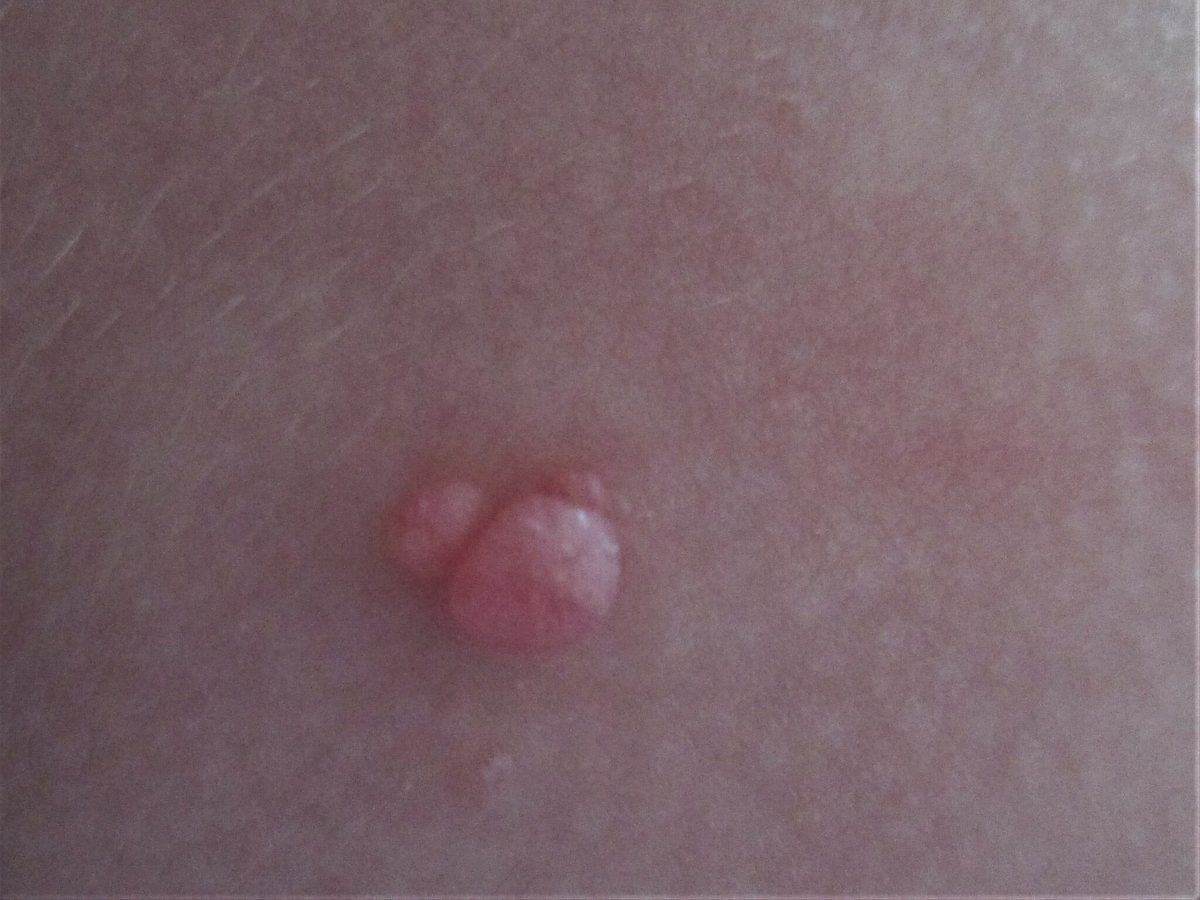
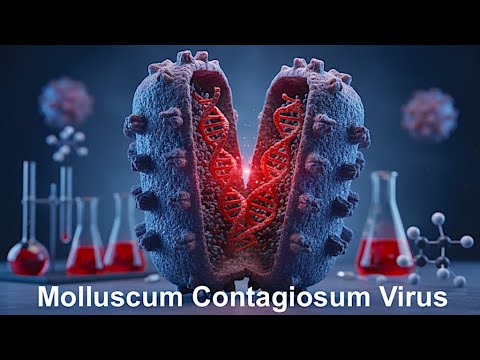
A poxvirus that causes skin warts has carried a human gene for about 100,000 years. Researchers found two copies of BC200, a non-coding RNA gene active in human neurons, inside molluscum contagiosum virus (MCV), which causes the skin infections.

It's the first known virus with a human gene acquired in recent evolutionary history. The gene evolved from a transposon — a jumping gene — 40 million years ago but never lost its mobility, and researchers now want to know whether MCV is using the stolen gene to manipulate the human cells it infects.

Why it matters

A common skin virus carries one of our own genes, possibly using it to infect us — the same jumping mechanism may drive cancer mutations.

Questions about this story

Free account needed to ask — your question is kept and asked for you right after sign-up. Answers are public.

No questions yet — be the first to ask.

Key Indicators

2
BC200 copies found in MCV genome
Two separate transposition events inserted the human gene into the virus.
~100,000 years
When BC200 jumped into MCV
Both insertions occurred within modern human history, likely during skin cell infections.
~40 million years
When BC200 was co-opted from a transposon
An ancient primate ancestor repurposed a jumping gene for neuronal function.
First
Known virus with a recently acquired human gene
No previous virus had been found carrying a human gene this recent.

Voices

Curated perspectives — historical figures and your fellow readers.

Ever wondered what historical figures would say about today's headlines?

Sign up to generate historical perspectives on this story.

People Involved

Organizations Involved

Timeline

2010 ~40 mil

6 events Latest: 3 days ago
Tap a bar to jump to that date
  1. Ancient transposon repurposed into BC200

    Upcoming Evolution

    A primate ancestor co-opted a jumping gene to regulate neuron translation.

  2. BC200 jumps into molluscum contagiosum virus

    Upcoming Evolution

    The gene inserted into MCV twice, likely during skin cell infections.

  3. BC200 identified in human neurons

    Upcoming Discovery

    Researchers find an abundant non-coding RNA in brain cells.

  4. New York Times covers the discovery

    Latest Media

    Reports that the virus may use the stolen human gene to infect cells.

  5. Science publishes BC200 study

    Publication

    Cornell team reports the gene's dual function and its capture by MCV.

  6. Feschotte lab spots BC200 in MCV genomes

    Discovery

    Scans of viral databases reveal the gene in the poxvirus; finding not published.

Scenarios

1

MCV shown to use BC200 against human cells

Possible Resolves by End of 2028

Discussed by: Cedric Feschotte's lab; New York Times

Feschotte's team plans to test whether MCV has co-opted BC200 to manipulate host cells. If cell culture or animal experiments show the virus depends on the gene, it becomes a candidate target for drugs to treat molluscum contagiosum, which currently has no specific treatment.

2

BC200 jumping linked to mutations in cancer

Possible Resolves by End of 2029

Discussed by: Cedric Feschotte's lab; New York Times

BC200 is abnormally expressed in some tumors and overexpressed in Alzheimer's brains. Feschotte's group wants to determine whether the gene jumps within cancer cells, inserting itself into and disrupting genes. Whole-genome sequencing of tumors could reveal BC200 insertions in oncogenes or tumor suppressors.

3

Cross-species transposon spread via viruses confirmed

Unlikely Resolves by End of 2030

Discussed by: Cedric Feschotte; Nels Elde (University of Utah)

Feschotte suggested that if viruses carry transposons across species boundaries, jumping genes could spread horizontally between species far more than assumed. Confirmation would require finding a transposon from one species inside a virus that infects a different species. This is the most speculative of the three outcomes.

Historical Context

3 moments from history that rhyme with this story — and how they unfolded.

1940s–1950s

Barbara McClintock's jumping genes (1940s–1950s)

Geneticist Barbara McClintock showed that pieces of maize chromosomes could move to new positions, calling them 'controlling elements.' The scientific community largely ignored or dismissed her work for two decades.

Then

Her findings were vindicated in the 1960s and 1970s when mobile elements were found in bacteria and other organisms.

Now

McClintock won the 1983 Nobel Prize in Physiology or Medicine. Transposons are now known to make up about half the human genome.

Why this matters now

BC200 originated from a transposon and retained its mobility — and the study's senior author holds Cornell's Barbara McClintock Professorship.

~30–40 million years ago

Endogenous retroviruses in the human genome (~30–40 million years ago)

Ancient retroviruses infected primate ancestors and inserted their genetic material into the germline. Those insertions were inherited and now make up around 8% of the human genome.

Then

Most viral DNA was silenced or degraded by mutations over millions of years.

Now

Some elements were repurposed for host functions, including genes involved in placenta development and immune defense.

Why this matters now

This story is the reverse: a host gene jumped into a virus within the last 100,000 years, showing gene flow between humans and viruses is recent, not just ancient history.

1950s–present

Bacteriophages moving antibiotic resistance genes (1950s–present)

Viruses that infect bacteria, called bacteriophages, can accidentally package host DNA — including antibiotic resistance genes — and transfer it to other bacteria they infect.

Then

This horizontal transfer spreads resistance rapidly through bacterial populations.

Now

It is now understood as a major driver of the antibiotic resistance crisis, showing viruses can move host genes between organisms.

Why this matters now

MCV carrying BC200 extends the same principle to humans, with the question now whether the virus uses the gene to its advantage.

Sources

(3)