
Pull to refresh
Logo
Scientists create first genetically engineered glowing cuttlefish

Scientists create first genetically engineered glowing cuttlefish

New Capabilities

Columbia University lab adds a fluorescent gene to a cephalopod for the first time, overcoming years of failed CRISPR injections and fragile embryos.

Yesterday: Preprint reports first transgenic cephalopod

Overview

Updated 1 hour ago

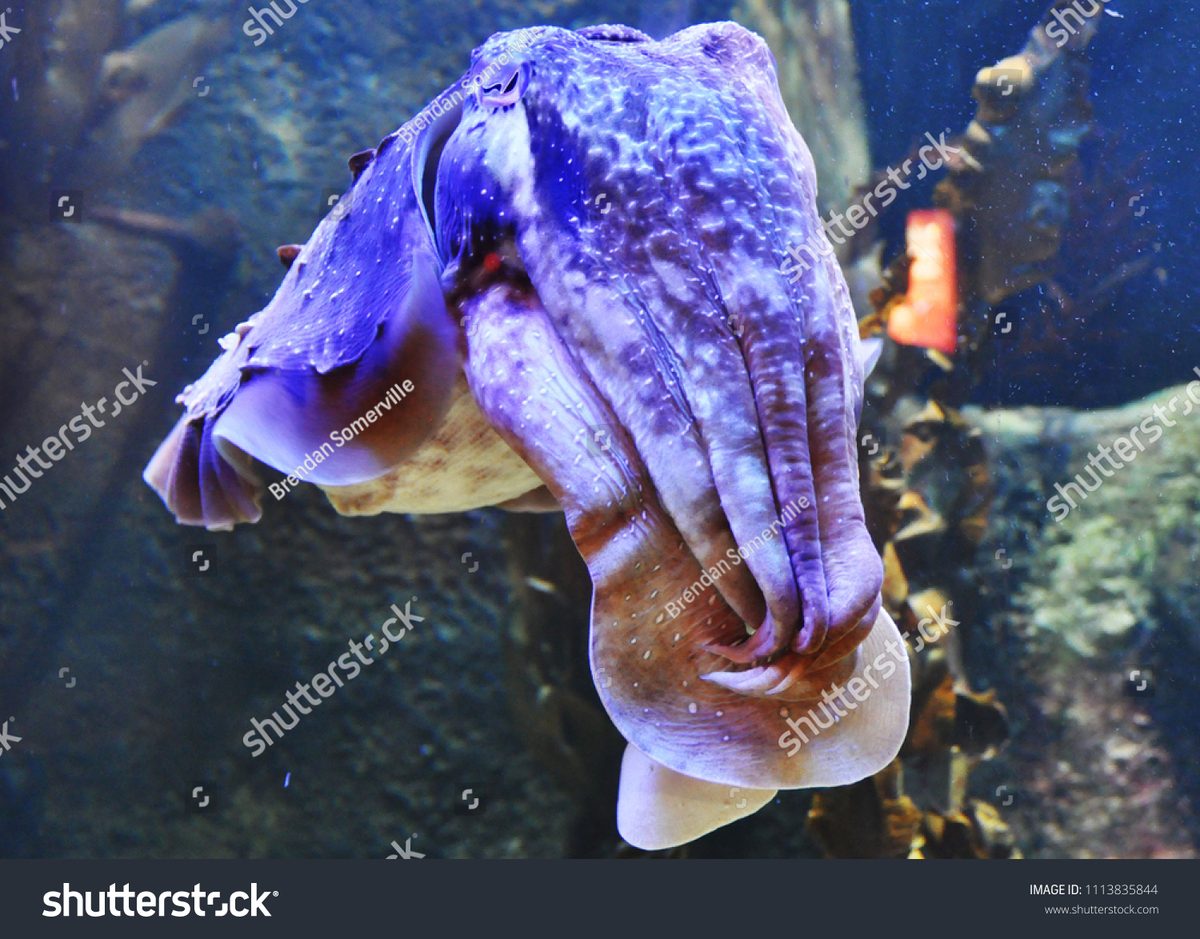
Columbia University scientists produced seven cuttlefish that glow red under fluorescent light. It is the first time anyone has successfully added a new gene to a cephalopod - the group that includes octopuses and squids.

The feat took six years and thousands of embryos. The goal is to make cuttlefish neurons light up as they fire, so researchers can watch how the animal's brain controls camouflage - its chameleon-like ability to copy surrounding patterns onto its skin.

Cuttlefish eggs are wrapped in dozens of layers of jelly. CRISPR barely worked in these animals, and Montague had to sequence the dwarf cuttlefish genome to find the right genetic switches. She switched to a DNA insertion method called transposons to get the gene in.

Why it matters

Cuttlefish camouflage shows how brains turn perception into action. Glowing neurons could reveal how intelligence evolved away from mammals.

Questions about this story

Free account needed to ask — your question is kept and asked for you right after sign-up. Answers are public.

No questions yet — be the first to ask.

Key Indicators

7
Glowing cuttlefish produced
The first cephalopods to carry an added gene; the trait passes through eggs and sperm to offspring.
4,000+
Embryos injected with CRISPR
CRISPR was so inefficient that thousands of injections were needed before one male showed glowing sperm cells.
5.5 GB
Dwarf cuttlefish genome size
Nearly twice the size of the human genome; sequenced for the first time to locate gene-expression control regions.
6 years
Duration of the research effort
From the first injection attempts to the preprint reporting seven glowing cuttlefish.

Voices

Curated perspectives — historical figures and your fellow readers.

Ever wondered what historical figures would say about today's headlines?

Sign up to generate historical perspectives on this story.

People Involved

Organizations Involved

Timeline

January 2023 September 2026

2 events Latest: Yesterday
  1. Preprint reports first transgenic cephalopod

    Latest Publication

    Seven cuttlefish glow red under fluorescent light; the gene passes through eggs and sperm to offspring.

  2. Montague presents cuttlefish transgenics progress at SICB

    Research update

    Montague describes finding an actin promoter and the challenge of injecting jelly-wrapped embryos.

Scenarios

1

Neural imaging achieved in glow-cuttlefish

Possible Resolves by Sep 28, 2028

Discussed by: The research team's stated goal, reported by Science and the Node

Montague wants to drive GCaMP, a fluorescent calcium indicator that lights up when neurons fire, in the cuttlefish brain. The preprint establishes the transgenesis pipeline; the named next step is identifying neuronal promoters to drive GCaMP expression. If she succeeds, the glowing line becomes a tool to watch how camouflage patterns are generated in real time.

2

Transgenic technique extends to octopus and squid

Possible Resolves by Sep 28, 2028

Discussed by: Joshua Rosenthal at the Marine Biological Laboratory and other cephalopod researchers cited by Science

The transposon-based method and the sequencing playbook could transfer to other cephalopods. Rosenthal called the advance one that opens up possibilities. Each species will need its own pipeline, since cephalopod eggs differ in size, jelly layers, and how they tolerate injection.

3

Advance stays confined to Montague's lab

Possible Resolves by Sep 28, 2028

Discussed by: Baseline scenario; the steep technical difficulty cited throughout coverage

The barrier to entry is high: thousands of injections, custom quartz needles, and months of animal husbandry. If Montague's group doesn't publish neural imaging work and no other lab reports cephalopod transgenesis, the near-term impact stays narrow.

Historical Context

2 moments from history that rhyme with this story — and how they unfolded.

1962

Shimomura isolates GFP from a jellyfish (1962)

Osamu Shimomura extracted a protein from the crystal jelly Aequorea victoria that absorbed blue light and emitted green. He had found green fluorescent protein, though its uses stayed unclear for decades until recombinant DNA tools matured.

Then

The discovery remained a jellyfish oddity until gene-cloning techniques made the protein usable as a marker.

Now

Shimomura shared the 2008 Nobel Prize in Chemistry for the discovery, which became the foundation of modern fluorescence imaging.

Why this matters now

The cuttlefish carry a synthetic fluorescent protein - a direct descendant of the molecule Shimomura found in 1962.

1994

Chalfie's GFP breakthrough (1994)

Martin Chalfie's team inserted the green fluorescent protein gene from Aequorea victoria into E. coli bacteria and C. elegans worms. The organisms glowed green with no added chemicals, proving GFP could mark gene expression in living cells.

Then

GFP became a standard biological marker, letting researchers watch proteins move inside living cells.

Now

The 2008 Nobel Prize in Chemistry recognized Shimomura, Chalfie, and Tsien for GFP. Fluorescent proteins now light up neurons, tumors, and developing embryos across biology.

Why this matters now

Montague's glowing cuttlefish extend the chain Chalfie started - a fluorescent protein delivered into a living animal to make its biology visible.

Sources

(6)