

2006–2009
Jamarat Bridge rebuild (2006 onward)
After a stampede at the Jamarat pillars during the stoning ritual killed hundreds of pilgrims, Saudi authorities rebuilt the site as a multi-level structure with one-directional flow and timed access windows.
Then
The redesign spread crowds across levels and separated opposing streams of pilgrims.
Now
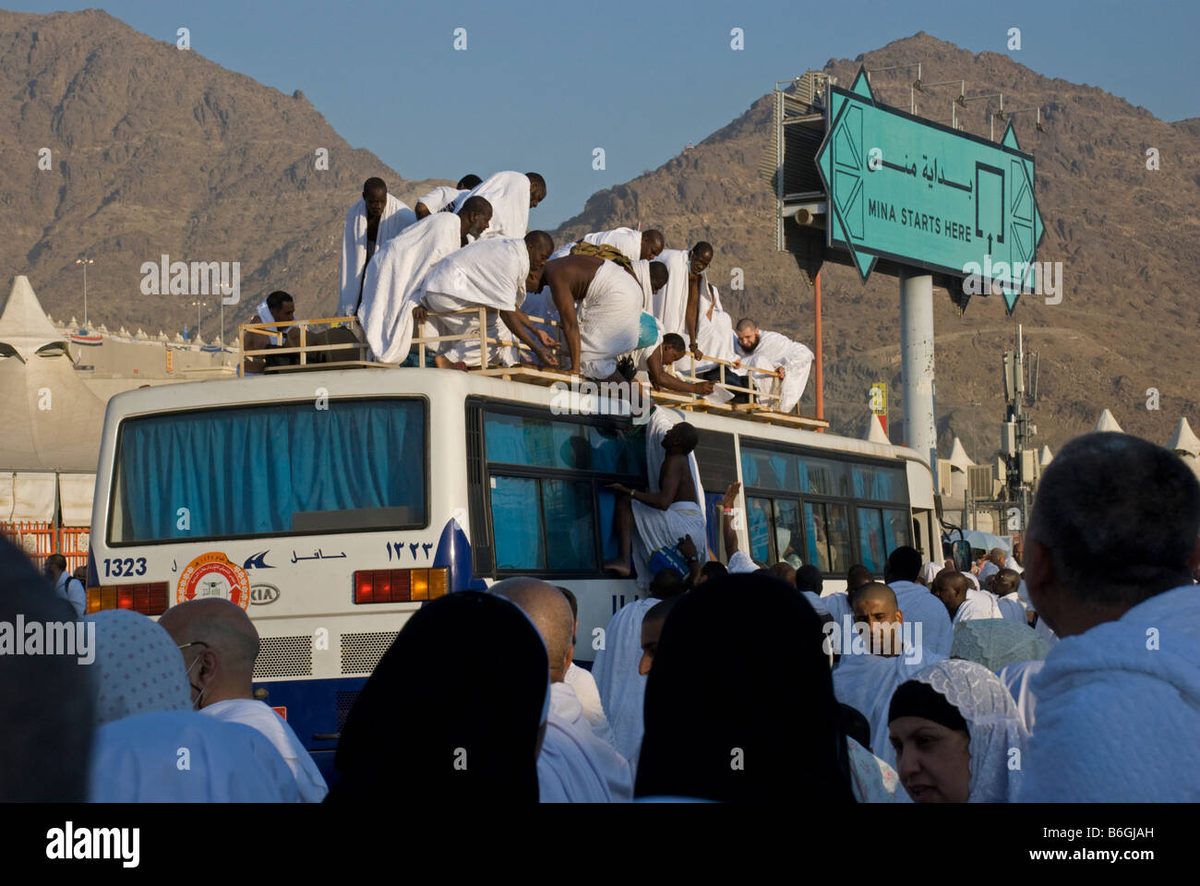
It established the principle that holy-site throughput is a scheduling and routing problem, not only a capacity problem.
Why this matters now
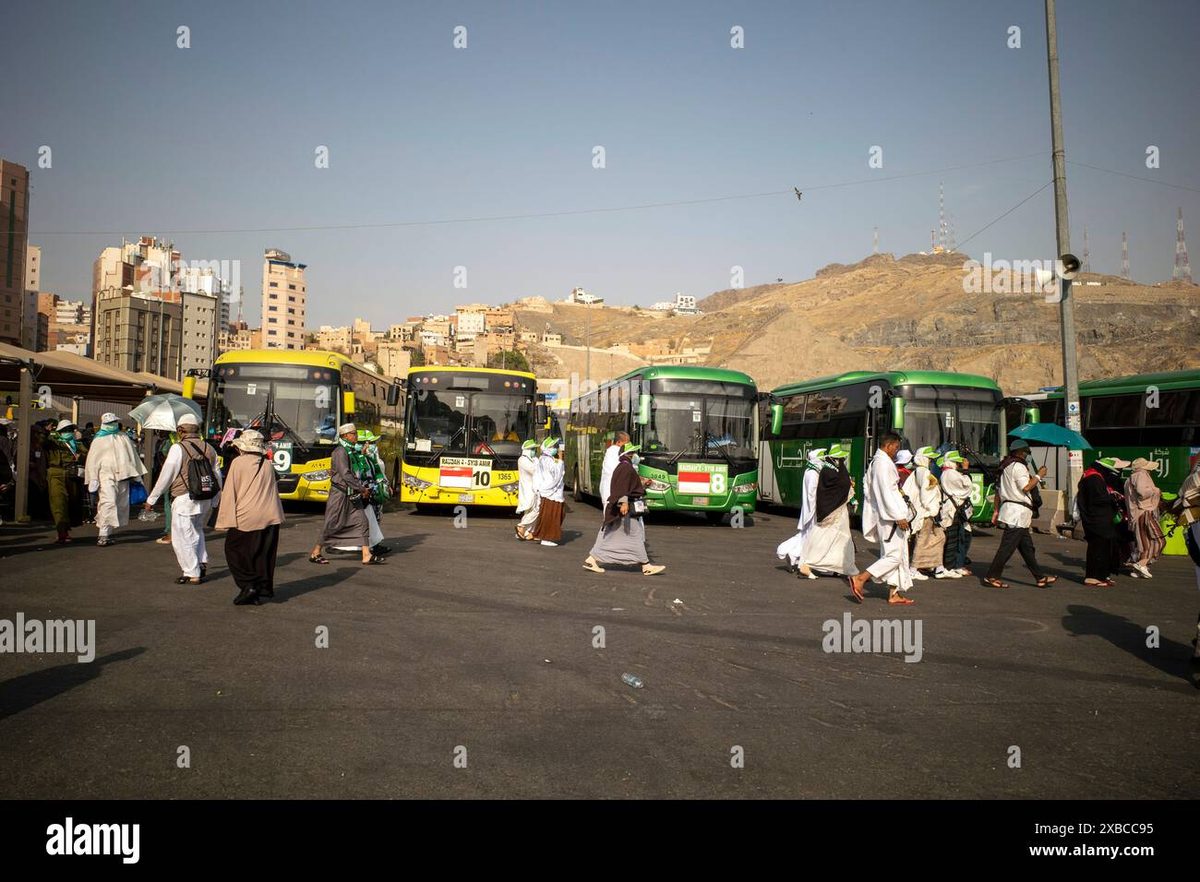
Wasel Al-Haram applies the same logic at city scale: seven corridors, peripheral parking and 46 performance indicators aimed at choreographing movement rather than simply adding vehicles.