
Pull to refresh
Logo
Jordan and Abu Dhabi break ground on Aqaba mining railway

Jordan and Abu Dhabi break ground on Aqaba mining railway

Built World

The 403-kilometre line will move 16 million tonnes of phosphate and potash a year to the Port of Aqaba

Today: King Abdullah II and Sheikh Khaled break ground in Aqaba

Overview

Updated 1 hour ago

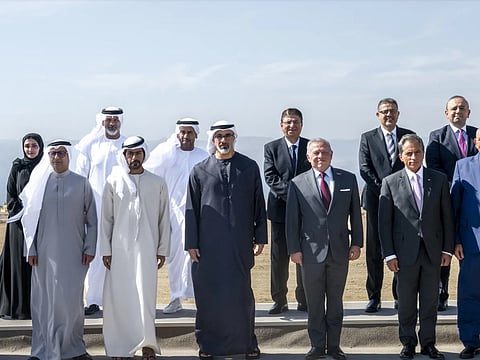
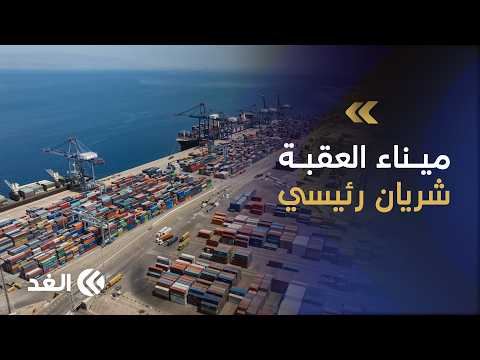
King Abdullah II of Jordan and Abu Dhabi Crown Prince Sheikh Khaled bin Mohamed broke ground Monday on a 403-kilometre railway linking Jordan's phosphate and potash mines to the Port of Aqaba. The $2.3 billion line is the largest railway project in Jordan's history.

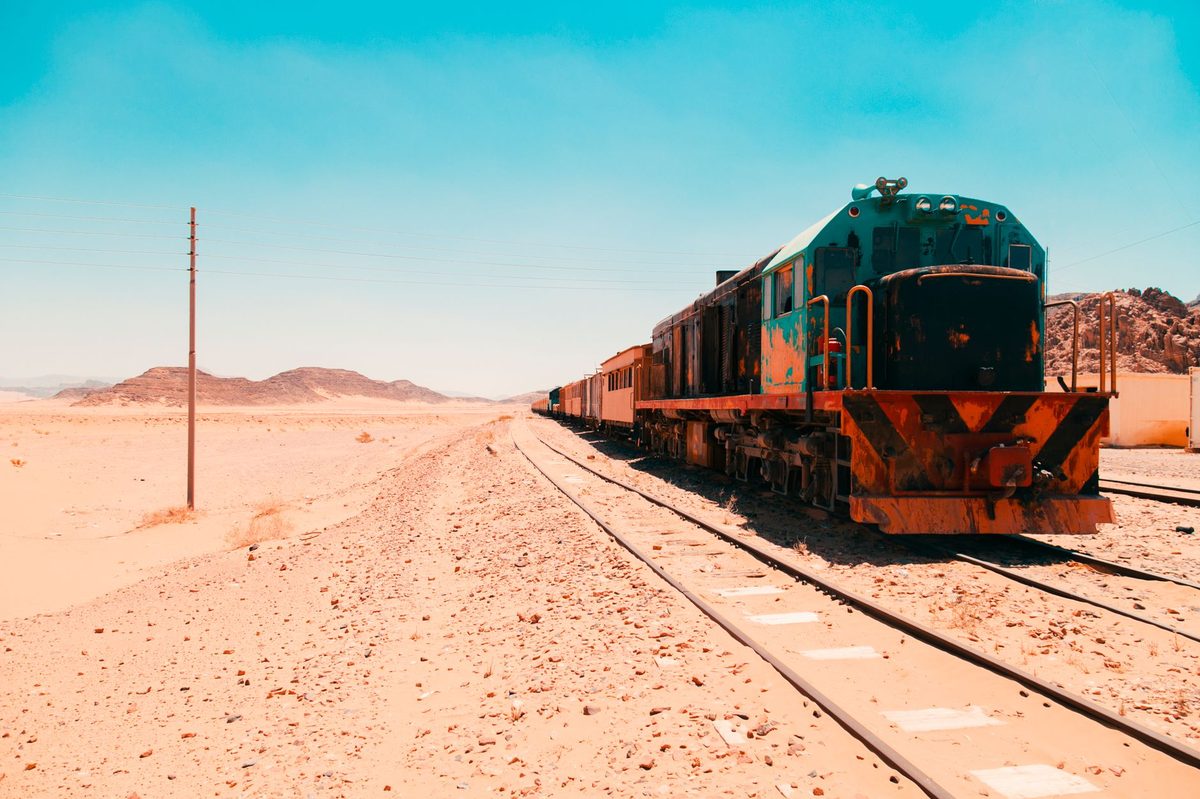
The railway replaces truck transport from Ghor Al Safi and an aging rail line from Al Shidiya. It's expected to cut mineral transport costs by about $40 million a year and create roughly 5,000 jobs in southern Jordan. The project is the first phase of a broader $5.5 billion UAE-Jordan investment program.

Why it matters

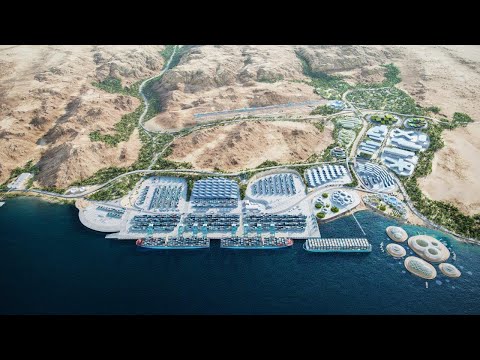
Jordan's mining exports get a direct rail link to the sea, cutting transport costs and strengthening Aqaba's role as a regional trade gateway.

Questions about this story

Free account needed to ask — your question is kept and asked for you right after sign-up. Answers are public.

No questions yet — be the first to ask.

Key Indicators

403 km
Rail network length
Connects the Port of Aqaba with mining centres in Al Shidiya and Ghor Al Safi.
$2.3 billion
Project investment
Joint UAE-Jordanian investment; some sources cite $2.5 billion for the final 403-km scope.
16 million tonnes
Annual transport capacity
Phosphate and potash moved from production sites to Aqaba for export.
5,000
Jobs expected in southern Jordan
Construction and operation roles across the regions the railway serves.
$40 million
Annual transport cost savings
Reduced phosphate and potash transportation costs versus current road and rail routes.

Voices

Curated perspectives — historical figures and your fellow readers.

Ever wondered what historical figures would say about today's headlines?

Sign up to generate historical perspectives on this story.

People Involved

Organizations Involved

Timeline

December 2023 October 2026

3 events Latest: Today
  1. King Abdullah II and Sheikh Khaled break ground in Aqaba

    Today Groundbreaking

    Ceremony marks start of construction on the 403-km railway with 55 bridges and six tunnels.

  2. UAE and Jordan sign railway agreement, establish joint company

    Agreement

    Sheikh Mansour bin Zayed and Jordanian PM Jafar Hassan witness signing. Initial scope: 360 km at $2.3 billion.

  3. UAE and Jordan sign $5.5 billion investment agreement

    Agreement

    Broad investment framework signed in the presence of Sheikh Mohamed bin Zayed and King Abdullah II.

Scenarios

1

Railway opens on schedule in 2031

Likely Resolves by Oct 5, 2031

Discussed by: Project planners and Jordanian officials

Construction proceeds on the planned five-year timeline. The railway begins moving phosphate and potash from Al Shidiya and Ghor Al Safi to the Port of Aqaba by late 2031, delivering the promised cost savings and job creation.

2

Construction delays push opening past 2031

Possible Resolves by Oct 5, 2031

Discussed by: Infrastructure analysts

Terrain challenges (six tunnels, 55 bridges), financing gaps, or political changes slow construction. The opening slips past the planned 2031 date, delaying the economic benefits.

3

Jordan announces next phase of national railway network

Possible Resolves by End of 2028

Discussed by: Jordanian officials and regional trade analysts

The Aqaba line is the first phase of a broader vision for a national and regional railway network. Jordan may announce extensions connecting other industrial zones or linking to regional networks, expanding the $5.5 billion investment program.

Historical Context

3 moments from history that rhyme with this story — and how they unfolded.

1900-1908

Hejaz Railway (1900-1908)

The Ottoman Empire built a railway from Damascus to Medina, passing through what is now Jordan. The line was designed to ease the pilgrimage to Mecca and strengthen Ottoman control over the region.

Then

The railway operated until World War I, when it was attacked and partially destroyed.

Now

It never fully recovered and now operates only in fragments. The new Aqaba line is the largest railway project in Jordan since the Ottoman era.

Why this matters now

Jordan's railway history dates to the Ottoman era. The Aqaba project is the first major rail investment in the country in over a century.

2009-present

Etihad Rail (2009-present)

The UAE began building its national railway network in 2009. Etihad Rail now operates across the country, connecting ports, industrial zones, and cities.

Then

The network has become a model for regional rail development in the Gulf.

Now

Etihad Rail is now the executing arm for the Jordan project, bringing its construction and operations expertise to a new market.

Why this matters now

The same company that built the UAE's railway will build and operate the Aqaba line, giving the project a proven operator.

2006-2015

Saudi Arabia North-South Railway (2006-2015)

Saudi Arabia built a long-distance railway to transport phosphate and bauxite from its interior to the Gulf coast, supporting the kingdom's mining sector.

Then

The railway began operations in 2015 and now moves millions of tonnes of minerals annually.

Now

It supported Saudi Arabia's industrial diversification and became a template for mineral-transport railways in the region.

Why this matters now

The Aqaba railway follows the same model: a mineral-transport line connecting inland mines to a port for export.

Sources

(8)