
Pull to refresh
Logo
Wave wins first new mobile money licence in DRC since 2015

Wave wins first new mobile money licence in DRC since 2015

Rule Changes

A Senegal-based fintech can now issue e-money itself in a market of 34.2 million mobile money subscriptions

Overview

Updated 44 minutes ago

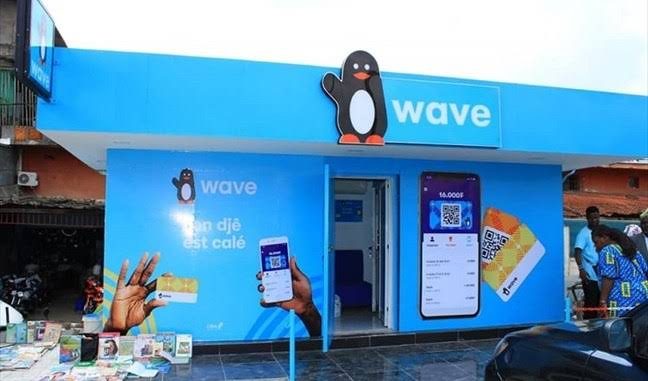
Four telecom-owned companies have issued electronic money in the Democratic Republic of Congo since 2015. In mid-November, the Central Bank of Congo licensed a fifth: Wave, a Senegal-based fintech that advertises a 1% fee on transfers. The licence lets Wave issue and manage e-money under its own name, instead of relying on Ecobank RDC, the bank that held the licence while Wave ran the technology and the agent network.

The market Wave is entering is large on paper and shallow in practice. The country recorded 34.2 million mobile money subscriptions at the end of 2025, equal to 34.8% national penetration, yet fewer than 40% of adults hold a formal financial account. Wave has not said when it will launch, what it will charge in Congo or how many agents it will deploy.

Why it matters

If Wave's 1% transfer fee travels to Kinshasa, Congo's telecom-owned mobile money operators face their first real price competition in a decade.

Questions about this story

Free account needed to ask — your question is kept and asked for you right after sign-up. Answers are public.

No questions yet — be the first to ask.

Key Indicators

11 years
Gap since the last new licence
Afrimobile Money was the fourth licensed operator, approved in September 2015; no new entrant followed until Wave.
34.2M
Mobile money subscriptions in the DRC
Regulator figures at the end of 2025, equal to 34.8% national penetration.
$647.9M
Quarterly mobile money revenue
Sector revenue in the fourth quarter of 2025, up 14.63% on the previous quarter.
43.77%
Vodacom M-Pesa market share
Regulatory data cited by Launch Base Africa; Airtel Money held 41.30% and Orange Money 14.44%. Estimates vary by source.
18M
Wave users across West Africa
The company's user base across Senegal, Côte d'Ivoire, Cameroon and other French-speaking markets.
1%
Wave's advertised transfer fee
Advertised on Wave's website, with free deposits, withdrawals and bill payments. No DRC-specific tariff has been published.

Voices

Curated perspectives — historical figures and your fellow readers.

Sign up to generate historical perspectives on this story.

People Involved

Organizations Involved

Timeline

February 2012 November 2026

7 events Latest: 2 days ago
Tap a bar to jump to that date
  1. Wave wins the DRC's fifth e-money licence

    Latest Licensing

    The Central Bank of Congo approves Wave as an electronic-money institution. Wave gives no launch date or DRC pricing.

  2. DRC reaches 34.2 million mobile money subscriptions

    Data

    Regulator figures put penetration at 34.8%, with fewer than 40% of adults holding a formal financial account.

  3. GSMA documents the cost of Wave-style pricing

    Research

    A study of West African mobile money finds lower fees squeezed provider margins and agent commissions.

  4. Afrimobile Money licensed, and the door closes

    Licensing

    The fourth operator is approved. No new electronic-money institution follows for more than 11 years.

  5. Vodacash licensed, later trading as M-Pesa

    Licensing

    The operator that becomes the market's largest receives its licence in July 2012.

  6. Orange Money licensed

    Licensing

    Orange Money receives authorisation a month after Airtel Money.

  7. Airtel Money becomes the first licensed e-money operator

    Licensing

    The Central Bank of Congo issues the country's first electronic-money licence, to Airtel Money.

Scenarios

1

Wave publishes a DRC fee schedule and launches in at least one city

Likely Resolves by Q2 2027

Discussed by: TechCabal, Bankable and the Middle East & Africa Tech Watch brief, all of which note the absence of a launch date and DRC tariffs

Wave's standard playbook is a flat 1% transfer fee with free deposits and withdrawals, but it has said those terms do not necessarily apply in Congo. A published tariff and a named launch city would be the first concrete signal that the licence translates into a working business rather than a legal shell.

2

An incumbent cuts DRC transfer fees in response to Wave

Possible Resolves by End of 2027

Discussed by: Launch Base Africa and Bankable, both citing Wave's record of triggering price competition in Senegal

Wave's entry is widely expected to press transaction fees down. The trigger would be a published tariff change from Vodacom M-Pesa, Airtel Money or Orange Money. The GSMA study of West Africa found that matching Wave's prices cut provider margins and agent commissions, so a cut here would carry the same second-order risk.

3

Wave stays a marginal player, below 5% of DRC subscriptions

Uncertain Resolves by End of 2028

Discussed by: Launch Base Africa, which argues geography, dispersed population and agent density matter more than tariffs

Congo is a continent-sized country with uneven infrastructure. Incumbents own the USSD channels and cash-out agent networks that make mobile money work, and two of them hold more than 85% of activity. If Wave cannot build agent coverage fast enough, the licence becomes a small operation with a large legal footprint.

Historical Context

2 moments from history that rhyme with this story — and how they unfolded.

February 2012 – September 2015

The DRC's first mobile money licensing wave (2012–2015)

The Central Bank of Congo licensed four electronic-money institutions in three and a half years: Airtel Money, Orange Money, Vodacash and Afrimobile Money. All but Afrimobile were tied to telecom operators, which owned the USSD channels and the agent networks where customers deposit and withdraw cash.

Then

The four built customer bases and agent networks while no competitor could enter. Afrimoney ended up with under 2% of the market.

Now

The barrier to entry was structural rather than legal. No ban was ever announced, but independent fintechs could not match telecom-controlled infrastructure, and no new licence was issued for 11 years.

Why this matters now

Wave is the first company to test whether a non-telecom entrant can compete in a market shaped by that infrastructure advantage.

August 2022 – March 2024

Wave's West African price war and the agent squeeze (2022–2024)

Wave's low transfer fees pushed rivals in Senegal and Côte d'Ivoire to match them. The GSM Association examined the results in a March 2024 study, finding that lower fees squeezed provider margins and cut the commissions paid to agents. Some Orange Money agents in Senegal reported losing as much as 50% of their income, and agents in Côte d'Ivoire protested commission cuts in August 2022.

Then

Customers paid less to send money; agents earned less for handling it.

Now

The study's warning was that higher transaction volumes may not offset lower revenue per transaction, and that agent networks can shrink if outlets stop earning enough to stay open.

Why this matters now

The same trade-off now applies in the DRC, where cash-out agents are the difference between a cheap app and usable money.

Sources

(7)