
Pull to refresh
Logo
Hyundai Engineering signs contract for 1,050MW power plant at SK Hynix's Yongin chip cluster

Hyundai Engineering signs contract for 1,050MW power plant at SK Hynix's Yongin chip cluster

Built World

The combined heat and power plant will supply electricity and steam to the semiconductor complex, with completion targeted for September 2030

Overview

Updated Yesterday

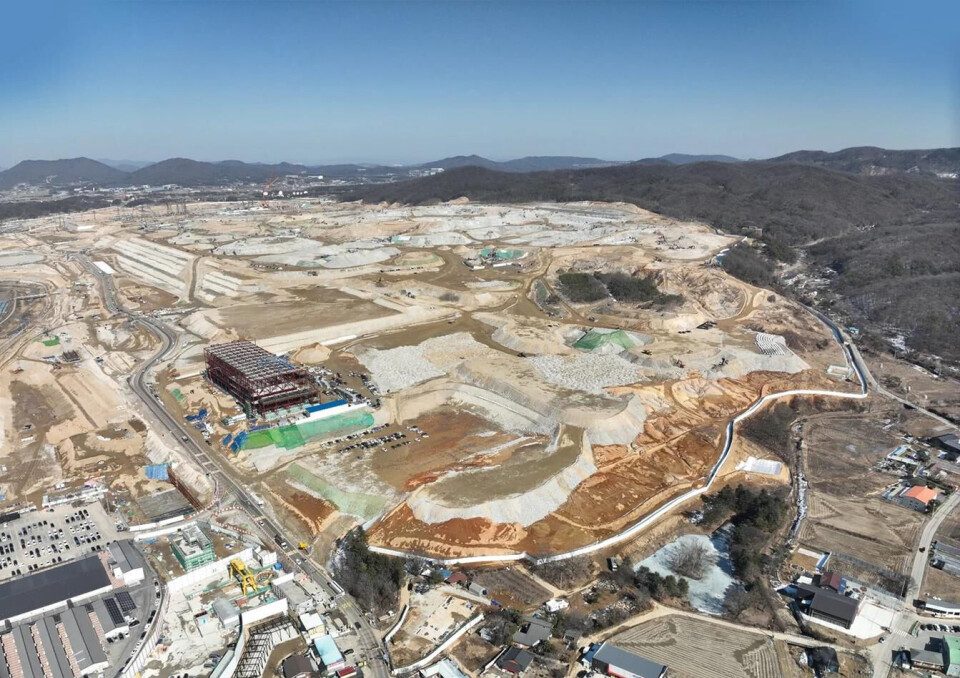
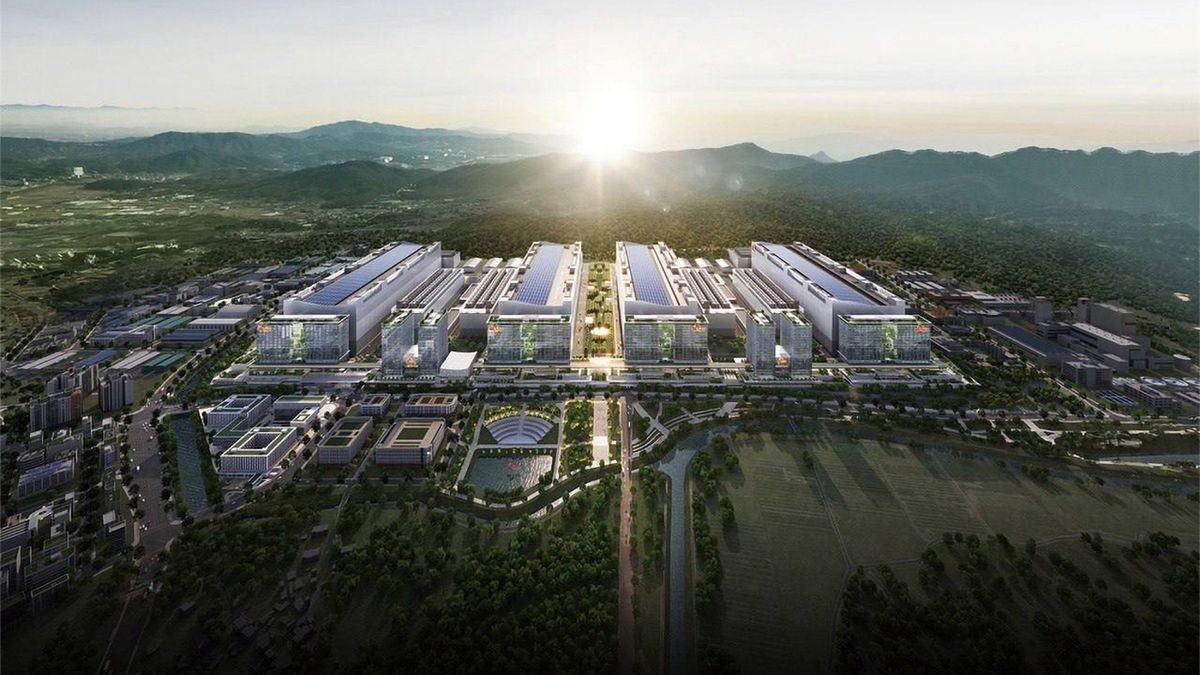
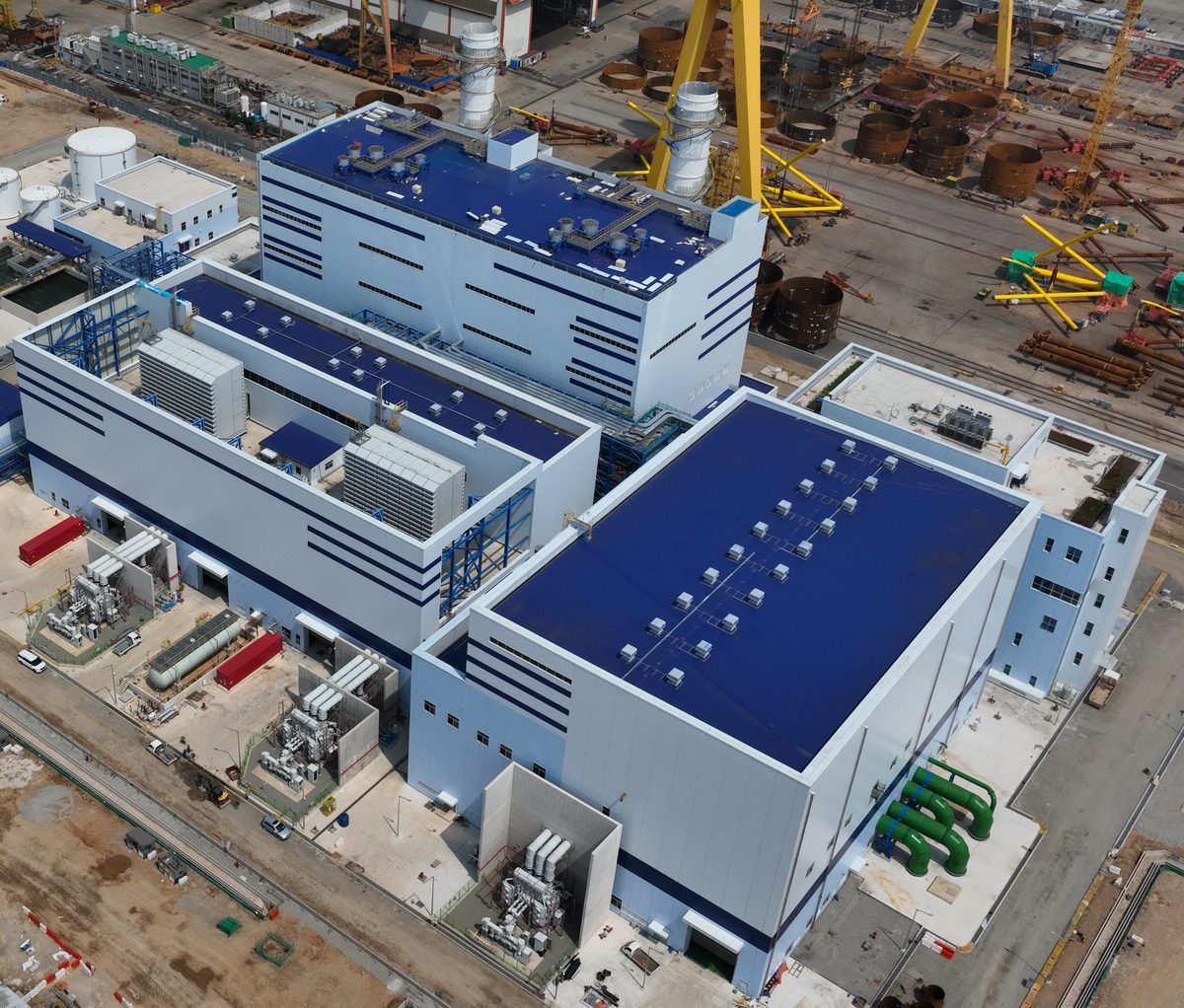
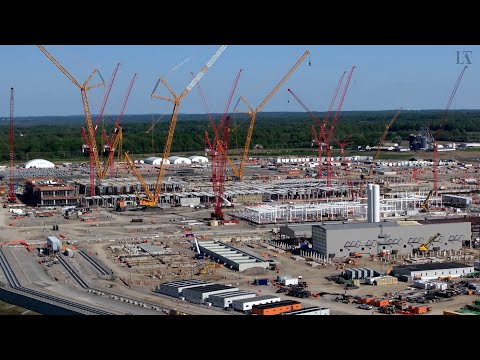
Hyundai Engineering signed a 1.654 trillion won contract on November 24 to build a 1,050-megawatt power plant inside SK Hynix's semiconductor complex in Yongin, south of Seoul. The plant is a cogeneration unit: it makes electricity and captures waste heat as steam for the fabs, targeting completion in September 2030.

The Yongin deal is the larger half of 2.284 trillion won in awards Hyundai announced on November 25, alongside a 500-megawatt gas plant at Yeosu. South Korea is now building generation as part of semiconductor policy, rather than assuming the public grid can absorb a new fab cluster.

Why it matters

Korea is now building power plants for individual chip clusters, a model that turns electricity supply into a precondition for semiconductor investment.

Questions about this story

Free account needed to ask — your question is kept and asked for you right after sign-up. Answers are public.

No questions yet — be the first to ask.

Key Indicators

1,050 MW
Electric generating capacity
Roughly the output of one nuclear reactor unit, according to Korean coverage of the project.
517 Gcal/h
Heat and steam output
Delivered to semiconductor production lines as industrial steam.
KRW 1.654T
Yongin engineering and construction contract
Signed with Yongin Cogeneration, the project company owned by Korea Midland Power and SK Innovation E&S.
$1.7B
Combined value of both contracts
Yongin and the 500MW Yeosu plant together, converted at the time of award.

Voices

Curated perspectives — historical figures and your fellow readers.

Sign up to generate historical perspectives on this story.

People Involved

Organizations Involved

Timeline

August 2024 November 2026

5 events Latest: Yesterday
Tap a bar to jump to that date
  1. Hyundai announces both awards, 2.284 trillion won combined

    Latest Announcement

    Hyundai Engineering discloses the combined value of the Yongin and Yeosu contracts.

  2. Yongin cogeneration EPC contract signed

    Contract

    Yongin Cogeneration and Hyundai Engineering sign the 1.654 trillion won agreement in Seoul.

  3. Yeosu gas plant contract signed

    Contract

    Hyundai Engineering signs the 630 billion won contract with Korea East-West Power in Ulsan.

  4. Hyundai Engineering named preferred bidder

    Procurement

    Hyundai Engineering is selected as preferred bidder for both the Yongin and Yeosu plants.

  5. Yongin project clears electricity committee

    Approval

    The trade ministry's electricity committee grants final approval, establishing the project's legal basis.

Scenarios

1

Yongin plant reaches commercial operation by September 2030

Likely Resolves by Oct 31, 2030

Discussed by: Korea Midland Power and Hyundai Engineering, both of which name September 2030 as the completion target

The EPC contract is signed, the project won electricity committee approval in August 2024, and the project company is already capitalized by its two owners. If turbine procurement and construction stay on the timeline set out in the contract, the plant begins supplying electricity and steam before the end of the decade. The main risks are long-lead equipment delivery and construction labor.

2

Construction slips past 2030 and the cluster waits for steam

Possible Resolves by Q2 2031

Discussed by: Construction-sector coverage of the project, which points to unit-trip and maintenance-window risk at a plant tied to one site

A plant built for a single customer has no reserve margin to lean on. Korean press coverage already notes that a slip in the September 2030 target would leave SK Hynix's fabs relying on boilers and grid power bought from elsewhere. Long-lead gas turbine supply or a permitting dispute would trigger this outcome.

3

Korea approves a second tranche of on-site generation for the cluster

Uncertain Resolves by Q3 2030

Discussed by: No party has announced a second phase; the scenario tests whether 1,050MW proves sufficient as the complex fills out

The Yongin plant is sized to SK Hynix's planned electricity and steam demand. If the cluster adds fabs faster than expected, or if the plant's steam output of 517 gigacalories an hour binds first, the owners would need additional capacity on the site. An announcement of a second unit or a capacity expansion would settle this.

Historical Context

3 moments from history that rhyme with this story — and how they unfolded.

February 2021

Winter Storm Uri and the Austin chip fabs (2021)

A severe winter storm collapsed Texas's grid, forcing rolling blackouts across the state. Samsung's Austin fab, along with plants run by NXP and Infineon, shut down because they could not run without stable power. Restarting a fab is slow: equipment must be recalibrated and wafers in process are often scrapped.

Then

Samsung's Austin production halted for weeks, and the shutdown contributed to a global shortage of automotive and display chips.

Now

Chipmakers began treating power reliability as a siting criterion alongside water, land and tax incentives, strengthening the case for on-site or dedicated generation.

Why this matters now

The Yongin plant exists because a fab cannot tolerate the kind of interruption Texas experienced. Korea is paying for certainty rather than assuming the grid will provide it.

2021-2022

Ireland restricts new data centre grid connections (2021-2022)

Ireland's energy regulator moved to tighten the rules for connecting new data centres around Dublin after the national grid operator warned that data centres were consuming a growing share of the region's electricity. New connections faced stricter conditions, and some planned facilities could not secure power.

Then

Data centre developers faced delays and began looking outside Dublin for sites.

Now

The episode became the standard example of a digital industry outgrowing the public electricity system that hosts it.

Why this matters now

Semiconductor clusters face the same arithmetic as data centres: demand arrives in large blocks, faster than grids add capacity. Korea's answer is to build the plant first and connect the cluster to it.

September 2011

South Korea's nationwide rolling blackouts (2011)

On September 15, 2011, electricity demand spiked after the Chuseok holiday while several plants were offline for maintenance. Reserve margins collapsed and the government ordered rolling blackouts across the country, cutting power to homes and industrial sites for short periods.

Then

The government pushed conservation measures and reviewed its reserve margin targets.

Now

Korea began planning large industrial loads with dedicated supply in mind, rather than treating them as ordinary additions to national demand.

Why this matters now

The blackout is the reference point for why Korea plans generation alongside industrial projects. A cluster the size of Yongin would have been unthinkable under the 2011 margin.

Sources

(6)