

Pull to refresh
Logo
Saint Paul property owners fight street reconstruction assessments

Saint Paul property owners fight street reconstruction assessments

Built World Saint Paul, MN local

Wheelock/Grotto Phase I charges are now liens at 4.25% interest as objections to the other three projects go to a second hearing

Overview

Updated 5 days ago

Saint Paul's City Council ratified the first of four contested street assessments on October 7, approving charges for the Wheelock/Grotto Phase I reconstruction. The mayor's office signed the resolution October 12. The other three projects went to a second hearing on October 14.

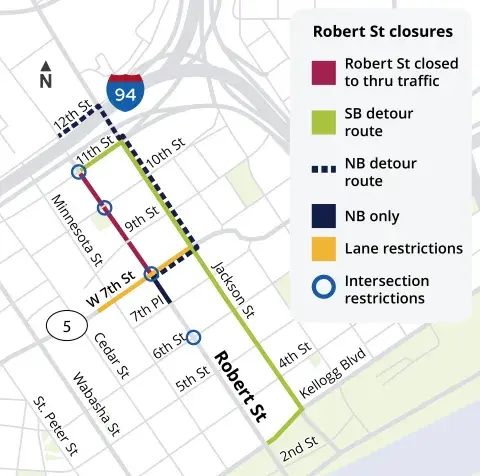
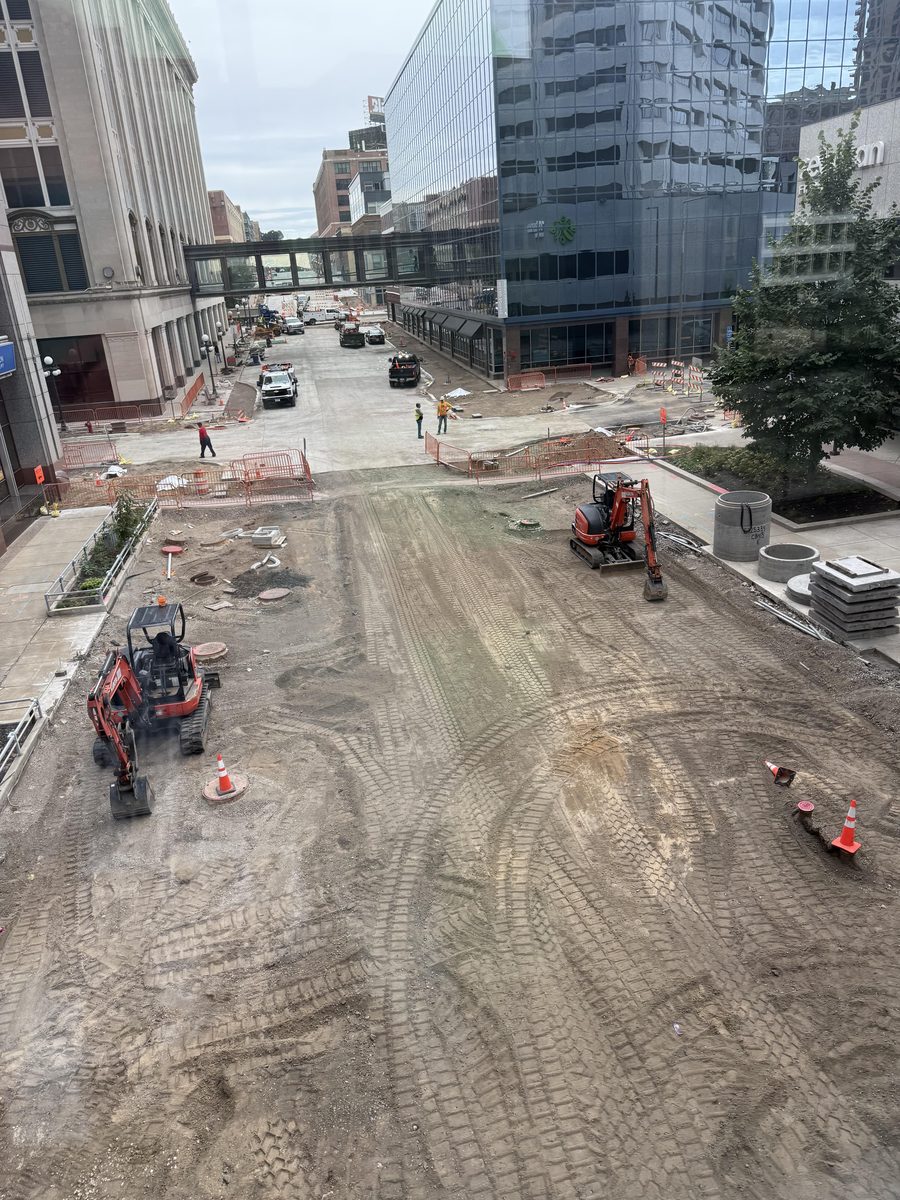
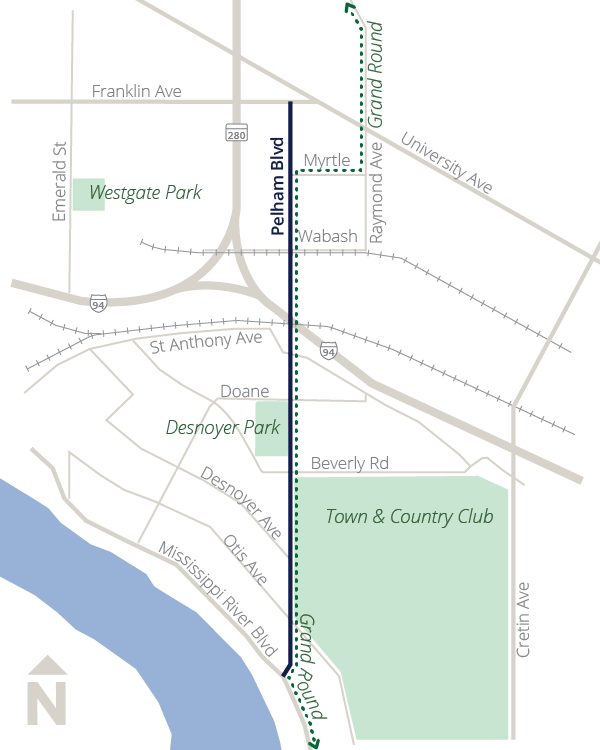
Owners along Pelham Boulevard, Robert Street and Wheelock/Grotto argue the charges outrun any gain in their property values and ignore removed trees and construction disruption. Ratified assessments become liens, repaid over 20 years at 4.25% interest, though owners can pay in full without interest for 30 days after approval.

Why it matters

Saint Paul homeowners pay for street rebuilds through liens on their property, and every future project follows the same math.

Monday: what changed in Saint Paul, MN

One short email a week with the openings, closings, permits and council votes we covered. Free. Unsubscribe in one click.

Questions about this story

Free account needed to ask — your question is kept and asked for you right after sign-up. Answers are public.

No questions yet — be the first to ask.

Key Indicators

4
Street reconstruction projects with contested assessments
Pelham Boulevard, Robert Street, and Wheelock/Grotto Phase I and II
25%
Typical assessable share of project cost
Public Works usually assesses 25% of project cost for street reconstruction
4.25%
Interest on ratified assessments
Annual rate on the Wheelock/Grotto Phase I roll, plus a $10 per-parcel administrative fee
20
Years to pay assessments
Ratified assessments are payable in 20 annual installments, first due with 2027 property taxes

Voices

Curated perspectives — historical figures and your fellow readers.

Sign up to generate historical perspectives on this story.

People Involved

Organizations Involved

Timeline

August 2026 October 2026

5 events Latest: October 14th, 2026 · 1 week ago
Tap a bar to jump to that date
  1. First assessment ratification hearing held

    Hearing

    City Council heard objections to proposed assessments for the four street projects.

  2. Wheelock/Grotto Phase I assessment ratified

    Decision

    The City Council adopted Resolution PH 26-204 ratifying the Phase I assessment roll, payable over 20 years at 4.25% interest with a $10 per-parcel fee.

  3. City Council adopts assessment policy

    Policy

    Resolution 26-692 established policies for calculating and levying special assessments.

Scenarios

1

Council ratifies assessments despite objections

Likely Resolves by Nov 15, 2026

Discussed by: Standard city practice; council has flexibility to amend but typically adopts rolls

The City Council ratifies the assessment rolls as presented. Property owners receive invoices, can pay in full within 30 days interest-free, or pay over 20 years with interest. Objections become part of the record but do not change the outcome. This matches the routine outcome for most Minnesota cities using the Chapter 429 process.

2

Council amends assessments after objections

Possible Resolves by Nov 15, 2026

Discussed by: Possible given council flexibility in the process

Responding to hardship claims, the council adjusts individual assessments, reduces the assessable percentage, or extends payment terms for specific properties. The legal framework allows amendment before adoption. This would acknowledge that some charges exceed the special benefit calculation.

3

Property owners appeal assessments in court

Possible Resolves by Q2 2027

Discussed by: Section 14.01.4 of Saint Paul Administrative Code allows appeal after levy

After the council levies assessments, property owners who believe the charges exceed special benefit can appeal. Minnesota Statutes Chapter 429 allows challenges to assessments that are excessive relative to the benefit conferred. A court could reduce or void assessments if the city's calculations fail legal standards. This scenario becomes more likely if the council adopts the rolls unchanged.

Historical Context

2 moments from history that rhyme with this story — and how they unfolded.

Ongoing statute

Minnesota Special Assessment Framework (Minn. Stat. Ch. 429)

Minnesota law authorizes cities to charge property owners for improvements that benefit their property. The city must follow strict procedures: feasibility reports, public hearings, mailed notices, and published notices. The final assessment is the lesser of the preliminary amount (based on cost per front foot) or the maximum special benefit (based on appraised value increase).

Then

Cities can finance infrastructure without raising general taxes, spreading costs to benefiting properties over 20 years.

Now

The framework creates recurring conflict when assessments outpace what property owners perceive as value gained. Courts have upheld the system when cities follow procedure, but challenges succeed when assessments exceed actual benefit.

Why this matters now

The Saint Paul objections claim assessments exceed the special benefit—the exact legal limit the statute and city policy require. This is the central legal question in any assessment challenge.

August 2026

Saint Paul Resolution 26-692 (2026)

The City Council adopted a policy document describing how properties are assessed. It codifies the process: Public Works calculates assessable cost (typically 25% for street reconstruction), divides by frontage to get per-foot rates, and compares with independent appraisal to cap assessments at special benefit.

Then

Standardizes calculation methods across projects and provides a reference for property owners, staff, and elected officials.

Now

Solidifies the city's approach at a time when property owners are already objecting to specific assessments—making any future policy changes harder.

Why this matters now

The policy was adopted just two months before the current objections, shaping the calculation method now being challenged.

Sources

(11)