

Pull to refresh
Logo
Técnicas Reunidas starts work on first of RWE's three hydrogen-ready gas plants

Técnicas Reunidas starts work on first of RWE's three hydrogen-ready gas plants

Built World

A €1.5 billion order moves from signed contract to construction site after Germany's first capacity auction pays RWE to keep firm gas capacity available

Overview

Updated 1 hour ago

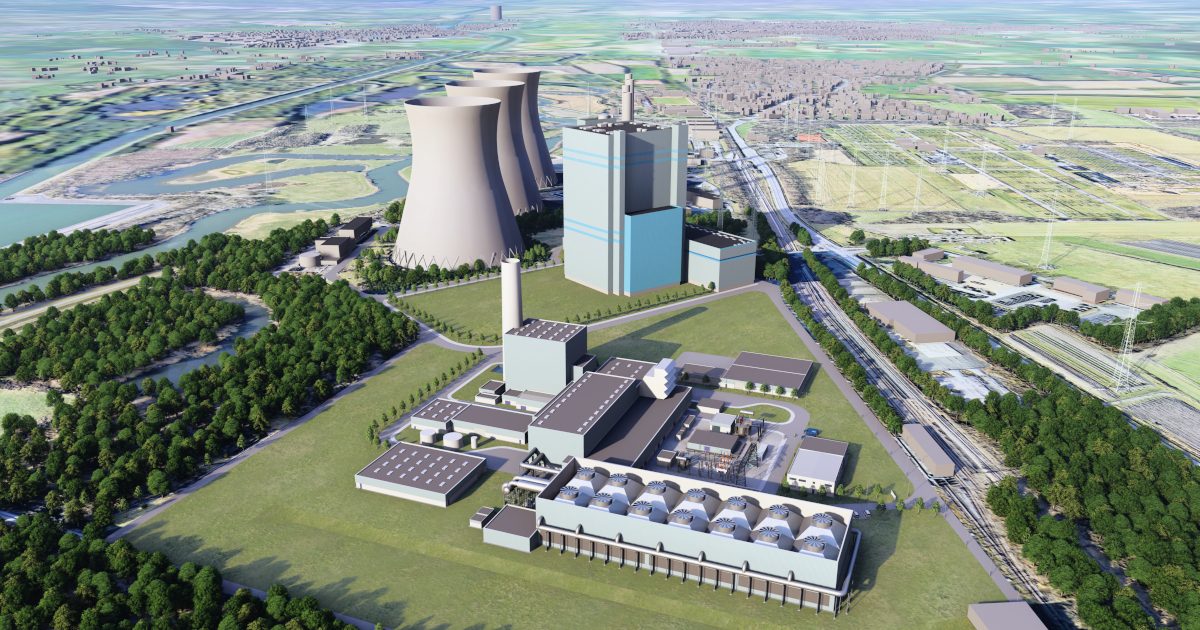
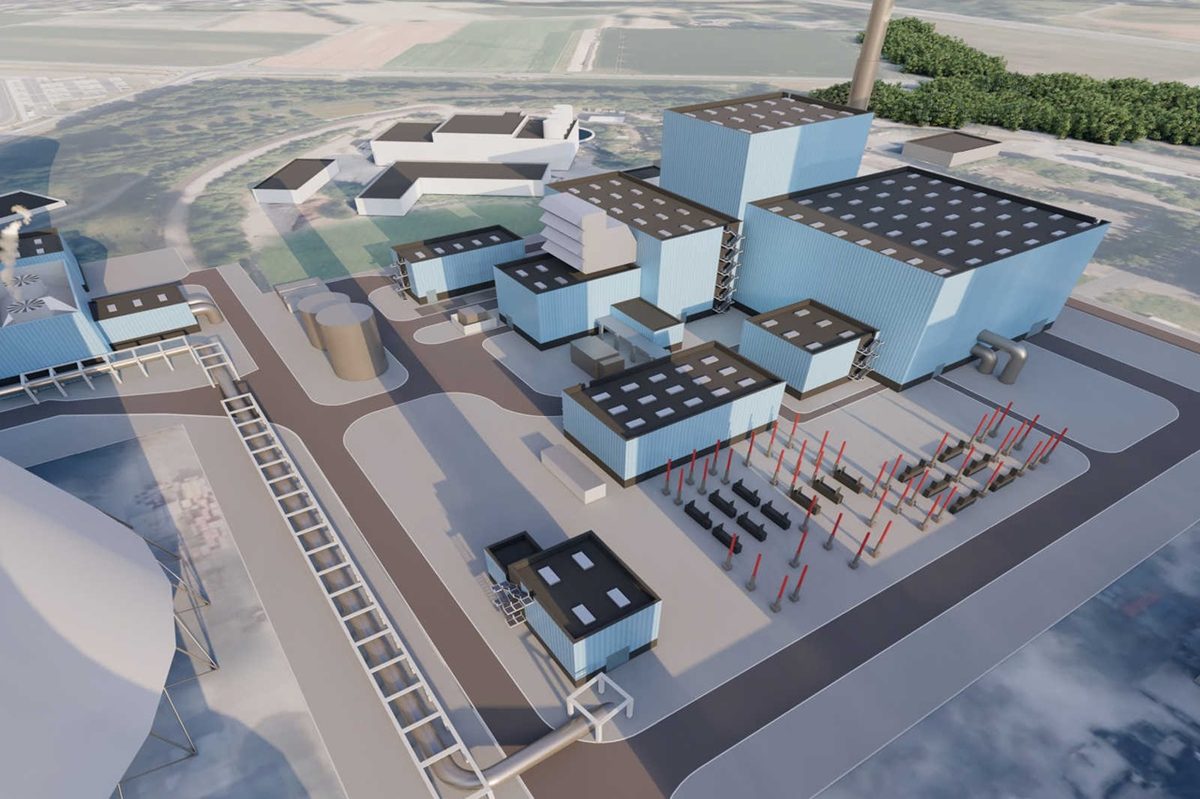
RWE has ordered three gas-fired power stations in North Rhine-Westphalia, each around 800 to 850 megawatts, built so they can burn hydrogen later. On 23 November, Técnicas Reunidas received the notice to proceed on the first, turning a signed contract into a construction site.

The plants come from Germany's first capacity auction: 15-year paid contracts for firm power that runs when wind and sun do not. They will burn natural gas at first. The hydrogen-ready label is a promise about the 2030s, not about this decade.

Why it matters

Germany is paying RWE to keep gas plants ready for when renewables fail. Whether they ever burn hydrogen decides if that money buys decarbonisation or just gas.

Questions about this story

Free account needed to ask — your question is kept and asked for you right after sign-up. Answers are public.

No questions yet — be the first to ask.

Key Indicators

€1.5B+
Added to Técnicas Reunidas new awards
Reported as roughly $1.73 billion; the first plant's notice to proceed is confirmed for 2026, the rest to follow.
3
Combined-cycle plants under contract
Two built with Italy's Ansaldo Energia, one with U.S.-based GE Vernova.
~2.5 GW
Installed capacity across the three sites
About 2,100 megawatts counted in the auction, because only 85% of installed capacity is derated in.
85%
Share of installed capacity counted in the auction
The Electricity Supply Security and Capacity Act discounts gas plant capacity when awarding contracts.
15 years
Length of RWE's capacity contracts
Payments start in November 2031, so the plants must be running before then to earn them.

Voices

Curated perspectives — historical figures and your fellow readers.

Sign up to generate historical perspectives on this story.

People Involved

Organizations Involved

Timeline

2023 November 2026

5 events Latest: Today
Tap a bar to jump to that date
  1. Notice to proceed on the first plant

    Today Construction

    Técnicas Reunidas adds more than €1.5 billion to new awards and starts execution; it names Gersteinwerk as the third site where RWE named Werne.

  2. RWE wins three capacity contracts

    Regulatory

    The Federal Network Agency awards 15-year contracts for 2,100 megawatts of derated capacity at Voerde, Weisweiler and Werne.

  3. RWE takes final investment decision

    Investment

    RWE commits capital to all three plants after the government award.

  4. Third EPC contract signed with GE Vernova

    Contract

    Técnicas Reunidas and GE Vernova win the engineering and construction contract for the third plant.

  5. First two EPC contracts signed

    Contract

    Técnicas Reunidas and Ansaldo Energia win engineering and construction contracts for two plants, kept off the backlog pending a government award.

Scenarios

1

All three plants get notice to proceed by end-2027

Likely Resolves by End of 2027

Discussed by: Técnicas Reunidas and RWE statements; RWE management on its fiscal third-quarter 2026 earnings call

Técnicas Reunidas says the remaining notices will follow soon and as planned, and RWE pre-booked turbine slots and filed permits before the auction. Slippage would come from permitting or from the consortia's construction schedules rather than from financing, which the capacity contracts underwrite.

2

First plant supplies power to the grid by mid-2030

Likely Resolves by Q2 2030

Discussed by: RWE management on its fiscal third-quarter 2026 earnings call, which guided to first power in early 2030

Capacity payments begin in November 2031. A plant that misses that date earns only wholesale market revenue until the contract starts, which puts schedule pressure on the consortium building it.

3

One of the three plants runs on hydrogen in commercial operation by 2032

Unlikely Resolves by End of 2032

Discussed by: Trade press covering the award, which notes that hydrogen-ready design means hydrogen-capable equipment, not hydrogen fuel today

The plants are specified with valves, burners and materials sized to accept hydrogen later. Whether that fuel arrives depends on hydrogen supply and price, and most announced European hydrogen projects have not reached a final investment decision.

Historical Context

3 moments from history that rhyme with this story — and how they unfolded.

November 2026

Germany's first capacity auction (November 2026)

The Federal Network Agency awarded 15-year contracts in a tender programme worth about €12 billion, aimed at building new gas plants or converting existing ones. RWE took 2.1 gigawatts of derated capacity across three North Rhine-Westphalia sites.

Then

RWE took final investment decisions and told investors construction would begin within weeks.

Now

The contracts start in November 2031 and pay for availability rather than for electricity sold, giving the plants a revenue floor the wholesale market does not.

Why this matters now

That revenue floor is what makes a €1.5 billion construction order bankable for Técnicas Reunidas.

2026

Germany's 2038 coal exit deadline, under pressure

Berlin formally keeps 2038 as the end date for coal-fired generation. Pressure to bring it forward to 2030 remains strongest in the western coalfields, where several of the new gas sites sit in North Rhine-Westphalia's industrial belt.

Then

Coal plants in the region continue to run alongside the new gas projects.

Now

An earlier exit would widen the capacity gap the gas plants are meant to fill, raising the value of the contracts already awarded.

Why this matters now

The new plants are the intended replacement for retiring coal capacity, so the exit date sets the clock on how fast Germany needs them.

January 2026

Técnicas Reunidas creates TR Power (January 2026)

The Spanish engineer, historically an oil and gas contractor, set up a subsidiary dedicated to combined-cycle power plants to chase energy-sector work.

Then

TR Power was named as the vehicle for the three RWE projects ten months later.

Now

The RWE order is the unit's first large test, and its performance will shape whether the strategy extends beyond one client.

Why this matters now

The contract is simultaneously a power-sector order for the parent and a launch project for the new subsidiary.

Sources

(10)