

Pull to refresh
Logo
NRC approves construction permit for Dow and X-energy's Texas nuclear plant

NRC approves construction permit for Dow and X-energy's Texas nuclear plant

Built World

Four Xe-100 reactors would send steam and power into a Gulf Coast chemical complex — the first advanced reactor cleared for an industrial site

Overview

Updated 52 minutes ago

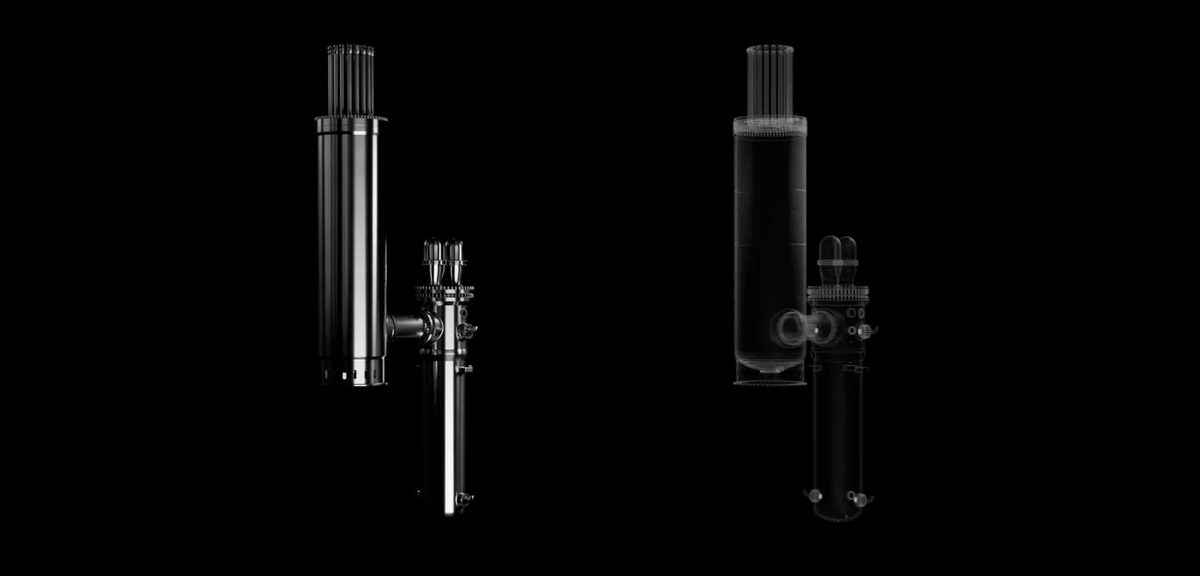
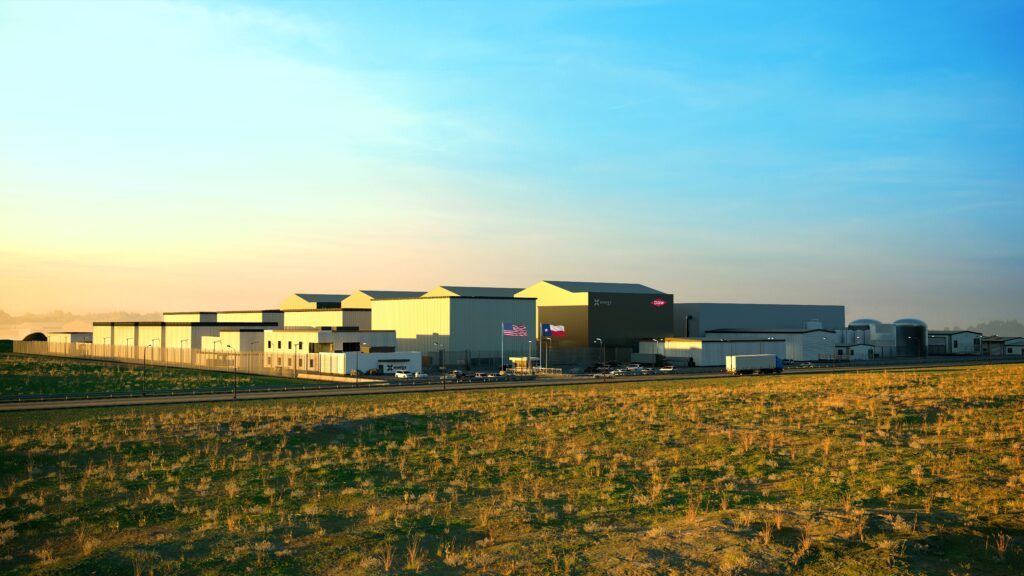
The Nuclear Regulatory Commission issued a construction permit on November 9 for Long Mott Generating Station: four Xe-100 reactors on Dow's Seadrift chemical complex in Calhoun County, Texas. It is the agency's first construction permit for a high-temperature gas-cooled reactor in nearly 60 years, and its first for an advanced reactor built to serve a factory rather than a grid.

The permit allows building. It does not allow operating, and it does not commit Dow to spending the money. Dow expects to decide in 2027 whether to fund the next phase, with site work possible later this decade and first power in the early 2030s.

Why it matters

Chemical plants need high-temperature heat, not just electricity. If reactors can supply it on site, that opens a path to cutting industrial emissions.

Questions about this story

Free account needed to ask — your question is kept and asked for you right after sign-up. Answers are public.

No questions yet — be the first to ask.

Key Indicators

320 MW
Combined electric output
Four Xe-100 reactors at 80 megawatts electric each.
800 MW
Combined thermal output
Heat the plant can deliver as process steam or convert to electricity.
4
Reactors permitted
The NRC's first approval of a multi-module advanced reactor facility.
60 years
Expected site operating life
Design life cited by X-energy for the Seadrift units.
2027
Dow's next investment decision
Dow says it expects to consider a preliminary investment decision that year.

Voices

Curated perspectives — historical figures and your fellow readers.

Sign up to generate historical perspectives on this story.

People Involved

Organizations Involved

Timeline

2018 November 2026

9 events Latest: Today
Tap a bar to jump to that date
  1. Project shifts to design and operating license work

    Today Next phase

    With construction authorized, the companies turn to finalizing the design and preparing an operating license application.

  2. NRC issues the construction permit

    Regulatory

    The commission authorizes four Xe-100 reactors at Seadrift, the first HTGR permit in nearly 60 years.

  3. Safety evaluation finished a month early

    Regulatory

    NRC staff complete the final safety evaluation report recommending the permit findings.

  4. Environmental review clears the site

    Regulatory

    The NRC issues an environmental assessment and a finding of no significant impact.

  5. NRC accepts the construction permit application

    Regulatory

    The agency dockets the four-reactor application and starts an 18-month review clock.

  6. ADVANCE Act becomes law

    Legislation

    The bipartisan law changes nuclear licensing rules; X-energy cites it as support for the review.

  7. Dow joins the pre-application work

    Partnership

    Dow begins its own engagement with the NRC on siting reactors at Seadrift.

  8. X-energy selected for federal demonstration funding

    Funding

    The Department of Energy picks the Xe-100 for its Advanced Reactor Demonstration Program.

  9. X-energy opens talks with the NRC

    Regulatory

    The company begins pre-application engagement to walk regulators through the Xe-100 design.

Scenarios

1

Dow approves the next phase and Long Mott moves toward construction

Likely Resolves by End of 2027

Discussed by: Dow and X-energy, in their joint announcement

Dow has said it expects to consider a preliminary investment decision in 2027, after design work and long-lead procurement are further along. An approval would let site work begin later this decade, with the companies targeting first delivery in the early 2030s.

2

Dow declines to fund the next phase and the project stalls

Possible Resolves by Q2 2028

Discussed by: Analysts quoted by trade press covering the permit

The permit does not bind Dow to build. If design, supply chain or cost estimates disappoint, Dow can let the permit sit unused. The company has stressed that construction would follow only a final investment decision.

3

X-energy files an operating license application with the NRC

Likely Resolves by End of 2028

Discussed by: X-energy, in its permit announcement

A construction permit does not allow fuel loading. The companies must submit, and the NRC must approve, a separate operating license before the reactors can run. X-energy says developing that application is part of the next phase.

4

First concrete poured at Seadrift before 2031

Uncertain Resolves by End of 2030

Discussed by: Dow and X-energy timelines

Both companies describe construction starting later this decade, contingent on Dow's final investment decision. A start would make Long Mott the first advanced reactor built at a working industrial site in North America.

Historical Context

3 moments from history that rhyme with this story — and how they unfolded.

1979–1989

Fort St. Vrain (1979–1989)

The last high-temperature gas-cooled reactor built in the United States, a 330-megawatt unit in Platteville, Colorado, entered service in 1979. It ran intermittently for a decade, hampered by helium leaks and equipment problems, and shut down in 1989.

Then

The plant never ran reliably enough to serve as a template for further HTGR orders.

Now

The design's troubles shaped how regulators and utilities viewed gas-cooled reactors for a generation.

Why this matters now

The NRC's permit is the first for an HTGR since that era. X-energy's case rests on passive safety and coated-particle fuel that are meant to answer the failures of the 1970s design.

2008–2024

Vogtle Units 3 and 4 (2008–2024)

The NRC approved construction of two AP1000 reactors at Plant Vogtle in Georgia in 2008, the first new U.S. reactors ordered since the 1970s. They reached commercial operation in 2023 and 2024, years behind schedule and billions of dollars over the original budget.

Then

The delays bankrupted the lead contractor and pushed the project's cost far past its estimate.

Now

Vogtle became the reference case for how first-of-a-kind construction risk lands on ratepayers and shareholders.

Why this matters now

Dow's staged approach, funding design and long-lead equipment before committing major capital, is a direct response to the Vogtle experience.

2023

NuScale's Carbon Free Power Project (2023)

NuScale won NRC design approval for its small modular reactor, then lost its first customer in November 2023 when a Utah municipal power group withdrew as projected costs rose. The project was cancelled before construction began.

Then

NuScale's first commercial order disappeared and its share price fell sharply.

Now

The episode showed that regulatory approval alone does not produce a customer willing to pay for a first-of-a-kind plant.

Why this matters now

Long Mott has a named industrial buyer with its own steam demand. That is the difference the project is testing.

Sources

(6)