
Pull to refresh
Logo
EU approves Dutch offshore wind aid as tenders struggle to attract bidders

EU approves Dutch offshore wind aid as tenders struggle to attract bidders

Built World

Brussels clears up to €9.45 billion for two IJmuiden Ver Gamma sites that the Netherlands must auction in December

Overview

Updated 8 hours ago

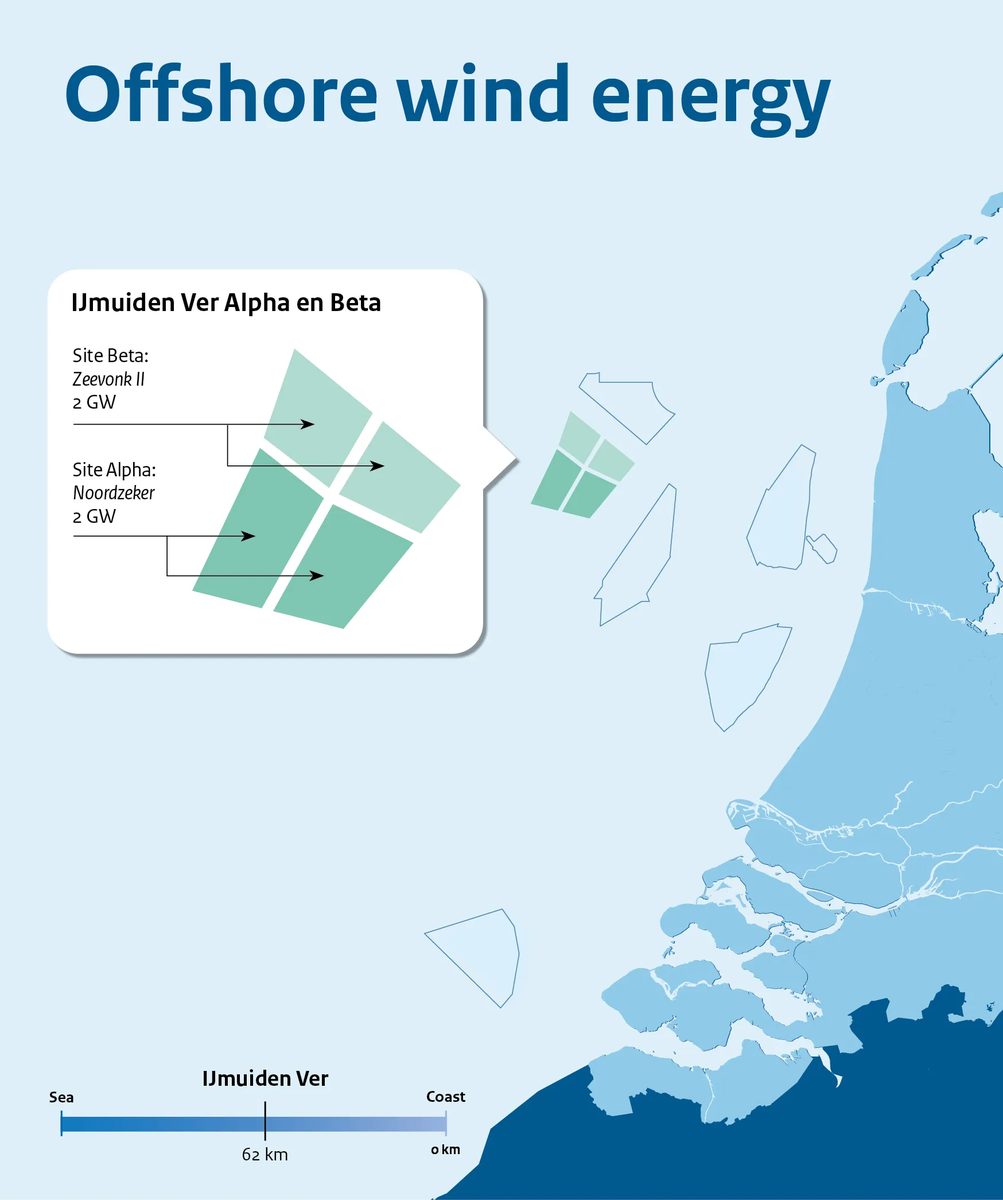
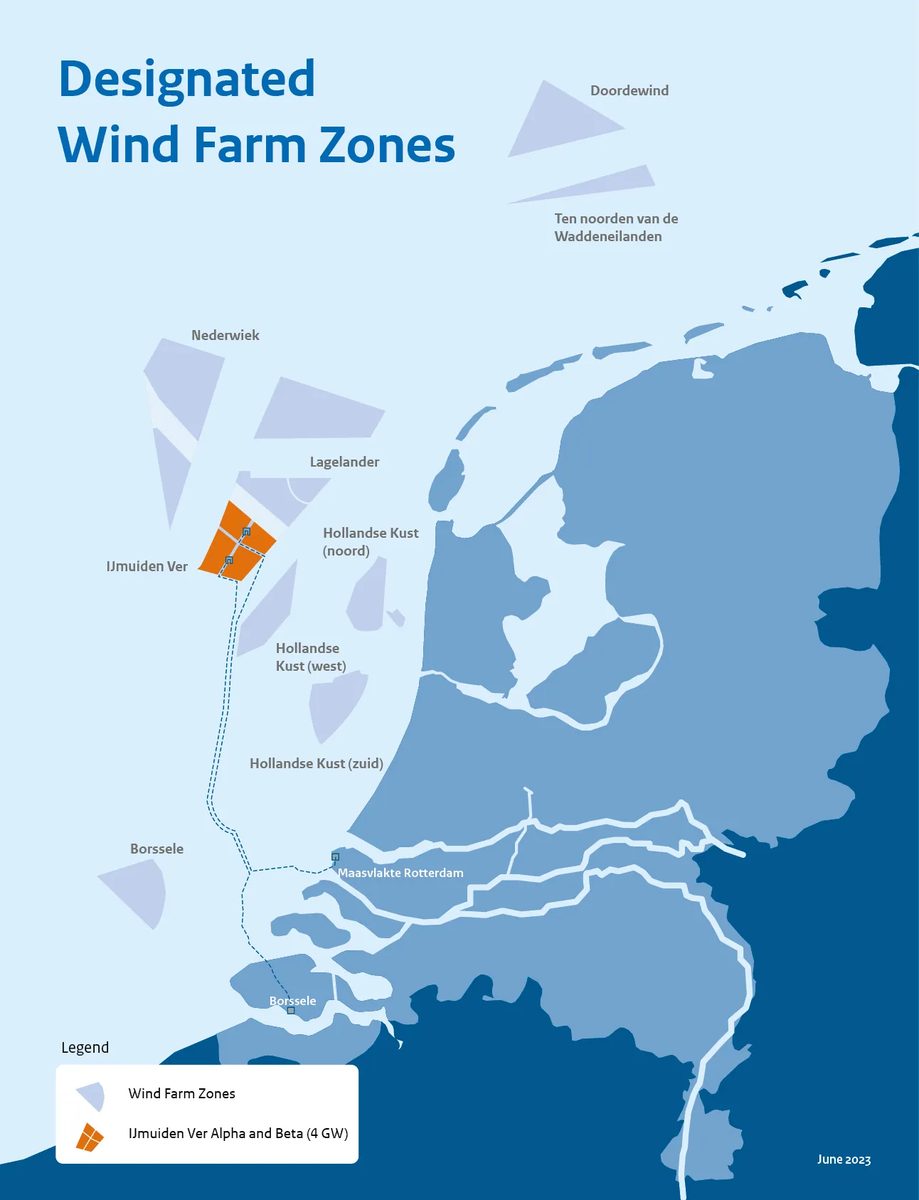
The European Commission approved up to €9.45 billion in Dutch state support for two North Sea wind farms on 18 November. The money backs IJmuiden Ver Gamma-A and Gamma-B: 2 gigawatts of capacity, expected to generate up to 7,441 gigawatt-hours a year once the farms start running in 2032.

The approval matters because the Netherlands designed its offshore auctions to avoid paying subsidies at all. Developers can still win a site by paying the state for it, and a subsidy request is only considered if no such bid arrives. After an earlier Dutch tender at Nederwiek drew no bids, the cabinet raised the maximum price for both Gamma sites in June.

Why it matters

If these sites cannot attract bidders even at €9.45 billion, the Netherlands' offshore wind timetable slips and taxpayers absorb more of the construction risk.

Questions about this story

Free account needed to ask — your question is kept and asked for you right after sign-up. Answers are public.

No questions yet — be the first to ask.

Key Indicators

€9.45B
Maximum state aid approved
Ceiling set by the European Commission for the two-tender Dutch scheme.
2 GW
Combined capacity of Gamma-A and Gamma-B
Nameplate capacity for the two sites, roughly the output of two large gas plants running flat out.
€117/MWh
Maximum bid price for Gamma-A
Raised from €104 in June 2026 after the grid feed-in tariff plan raised developer costs.
7,441 GWh
Expected annual generation
The Commission's estimate of electricity the two farms would produce each year.
€6.2B
Cash reserved by the Dutch cabinet
Actual spending depends on winning bids and electricity prices during the support period.
147M tonnes
Carbon dioxide avoided over project lifetime
Dutch government estimate for the two wind farms combined.

Voices

Curated perspectives — historical figures and your fellow readers.

Sign up to generate historical perspectives on this story.

People Involved

Organizations Involved

Timeline

June 2026 2032

5 events Latest: Today
Tap a bar to jump to that date
  1. Electricity supply expected to begin

    Upcoming Operations

    Both wind farms are due to come online and start drawing support if they were awarded a premium.

  2. Tender window closes

    Upcoming Auction

    Bidding shuts at 5pm Dutch time. The government expects to grant permits in the first quarter of 2027.

  3. Subsidy tender opens for Gamma-A and Gamma-B

    Upcoming Auction

    Developers can bid either to build without aid by paying the state for the site, or to request an aid premium.

  4. European Commission clears €9.45 billion Dutch offshore wind scheme

    Today Decision

    Brussels approves the scheme, adopted the previous day, allowing support for 2 GW across Gamma-A and Gamma-B. Aid is a variable premium paid for 15 years, and only if no subsidy-free bid wins.

  5. Dutch cabinet raises the maximum bid price for both Gamma sites

    Policy

    The ceiling for Gamma-A goes from €104 to €117 per megawatt-hour and Gamma-B from €103 to €116, to cover the cost of a planned grid feed-in tariff.

Scenarios

1

Both Gamma sites clear and winning bids land below the ceiling

Likely Resolves by Q1 2027

Discussed by: Netherlands Enterprise Agency and the Ministry of Economic Affairs and Climate Policy, which told parliament in June 2026 that competition should pull winning bids below the maximum

The December window draws enough bidders for both sites, and competition pushes the winning premium under the €117 and €116 per megawatt-hour caps. RVO awards permits in the first quarter of 2027 and the €9.45 billion figure stays a ceiling rather than a bill. This is the outcome the ministry's June statement points to, though it is an expectation, not a guarantee.

2

A developer takes a site with no subsidy at all

Possible Resolves by Q1 2027

Discussed by: The scheme design itself, which the Commission says considers concession-payment bids before any request for aid

A bidder decides the site is worth paying for and offers the state a concession payment instead of asking for a premium. Because the Dutch government only looks at premium bids if no concession bid arrives, that single bid would settle the auction for that site with no subsidy paid. The design keeps this door open even though the aid ceiling has been raised.

3

The tender draws too few bidders and the round is re-run

Possible Resolves by Jul 31, 2027

Discussed by: Construction Review, which reported that the earlier Nederwiek tender attracted no bids as costs and interest rates rose

Developers stay away again, this time despite the higher caps. RVO would then have to cancel or reopen one or both tenders, pushing the 2032 start date and forcing the ministry to either raise support further or move faster on the Contracts for Difference bill that would fix prices in both directions.

Historical Context

2 moments from history that rhyme with this story — and how they unfolded.

2023

UK contracts-for-difference auction round draws no offshore wind bids (2023)

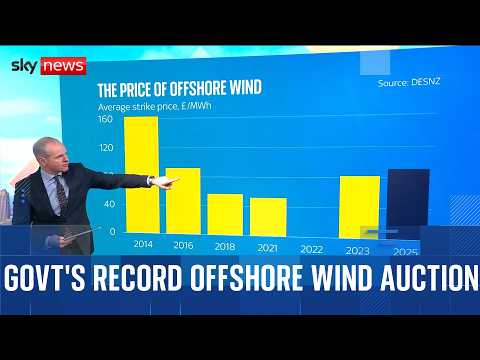
The UK government's annual auction sets a maximum price per megawatt-hour that generators can be paid. In 2023 developers judged that ceiling too low against rising turbine, cable and financing costs, and no offshore wind projects entered. The auction cleared without any new offshore wind capacity.

Then

The government awarded capacity in other technologies and acknowledged the offshore round had failed to attract interest.

Now

Ministers raised the maximum price for the following round, which drew offshore wind bids again. The episode established that an auction ceiling set below cost produces zero bidders rather than cheap projects.

Why this matters now

The Netherlands is running the same test at a larger number. It has already raised its maximum price once, and the December auction will show whether €117 per megawatt-hour clears the cost bar.

October 2023

Ørsted cancels two New Jersey offshore projects (2023)

Ørsted scrapped its Ocean Wind 1 and 2 projects off New Jersey, citing supply chain delays, higher interest rates and a failure to secure the tax treatment it had assumed when it signed its offtake agreements. The contracts had been priced before the inflation of 2022 and 2023.

Then

New Jersey lost the projects and had to run a fresh solicitation.

Now

Developers and states moved toward contracts that adjust to market conditions, and several US projects renegotiated or withdrew rather than build at pre-inflation prices.

Why this matters now

The Dutch scheme pays a variable premium on top of market revenue rather than fixing a price for 15 years, which shifts some price risk to the state and is meant to stop bidders walking away the way Ørsted did.

Sources

(6)