
Pull to refresh
Logo
Borkum Riffgrund 3 zero-subsidy offshore wind farm enters commercial operation in Germany

Borkum Riffgrund 3 zero-subsidy offshore wind farm enters commercial operation in Germany

Built World

Ørsted and Nuveen's 913 MW project, won with €0/MWh bids in 2017, now powers German industry under long-term corporate contracts.

Yesterday: Commercial operation begins

Overview

Updated 5 hours ago

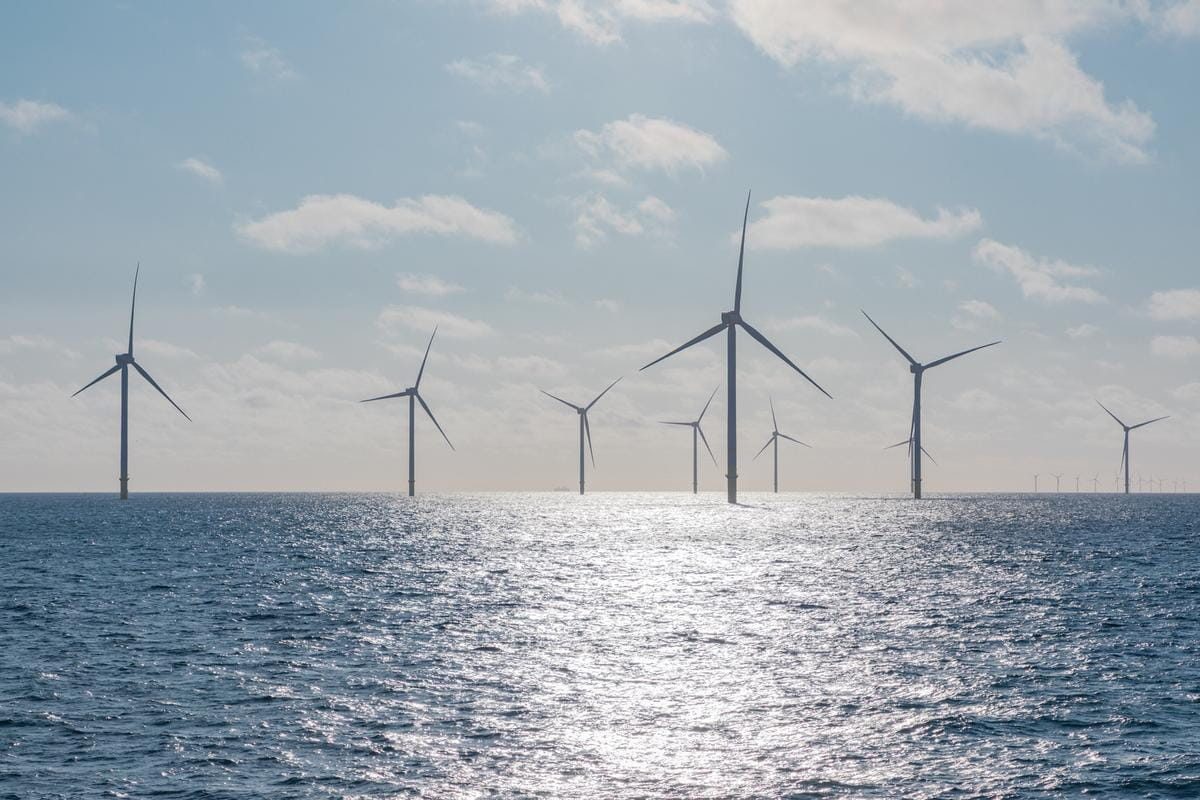
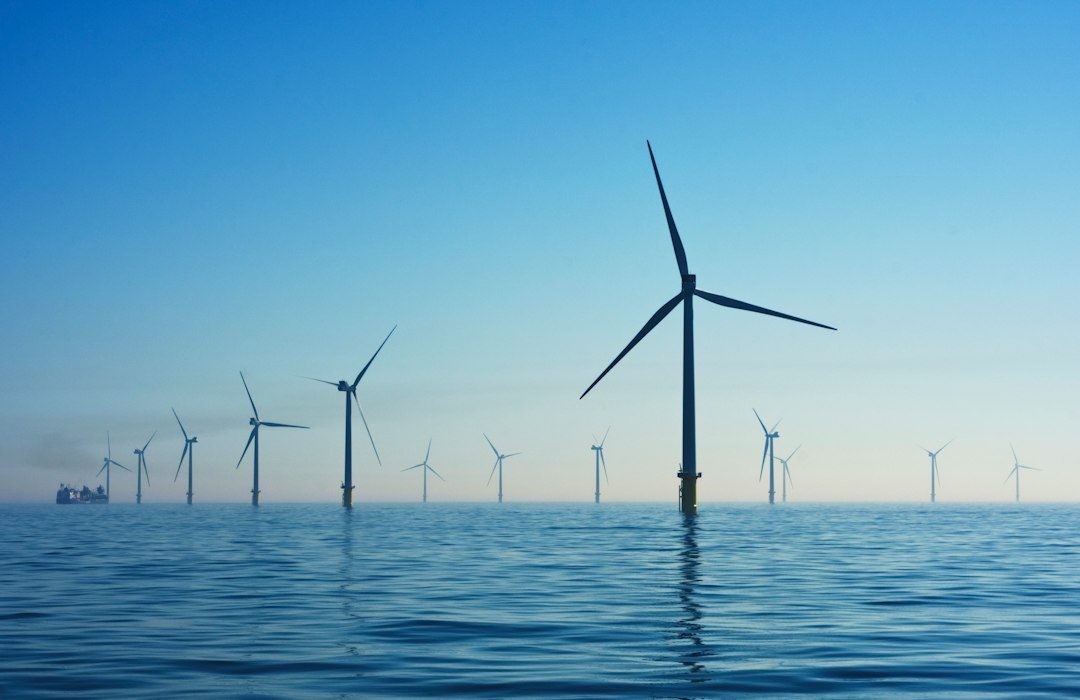
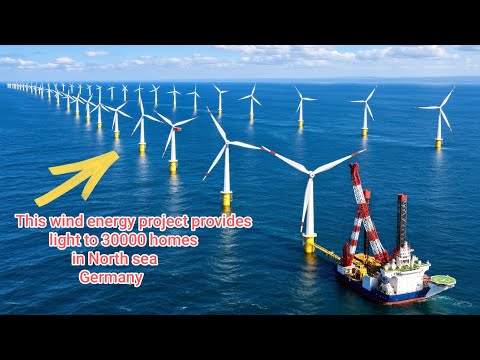
Borkum Riffgrund 3 began commercial operation on August 31, 2026, adding 913 megawatts (MW) of offshore wind to Germany's grid. The farm sits 72 kilometers off the North Sea coast and is one of Germany's largest operating offshore wind projects.

The milestone settles a bet placed nine years earlier. Ørsted won two of the three sites in Germany's 2017 offshore wind auction by bidding €0 per megawatt-hour — no government subsidy, just wholesale market prices. That was a first for offshore wind, and Borkum Riffgrund 3 is the proof it could work.

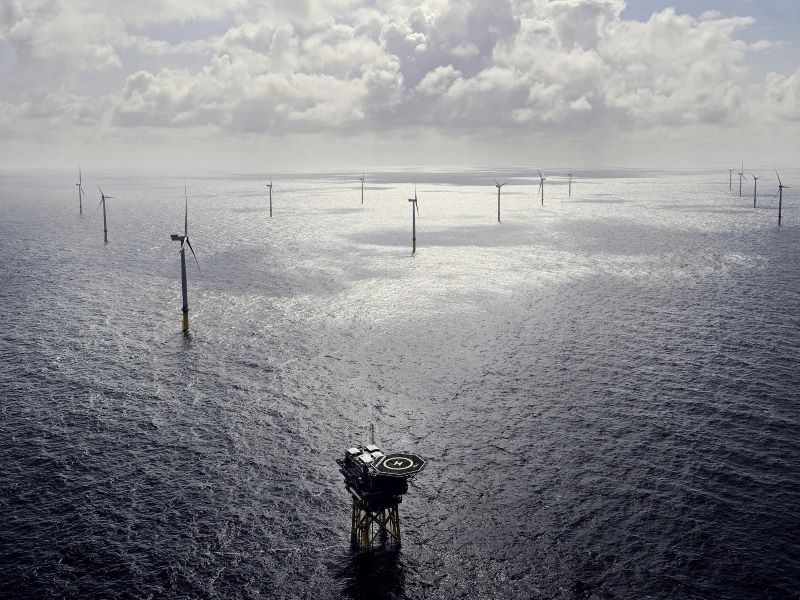
The farm connects to shore through TenneT's DolWin5 grid link, with no offshore substation of its own. Its output is already sold: Amazon, BASF, Covestro, REWE Group, and Google hold power purchase agreements (PPAs) covering 786 of the 913 MW, for terms of 10 to 25 years.

For Germany, the project is a working answer to the energy security question: domestic renewable power for industry and households. For Ørsted, it's the sixth operational German wind farm and a proof point for its 8.1 GW construction program.

Why it matters

913 MW of subsidy-free offshore power now flows to German industry; its performance will test whether zero-subsidy wind becomes the national standard.

Questions about this story

Free account needed to ask — your question is kept and asked for you right after sign-up. Answers are public.

No questions yet — be the first to ask.

Key Indicators

913 MW
Installed capacity
One of Germany's largest operating offshore wind farms.
83
Turbines installed
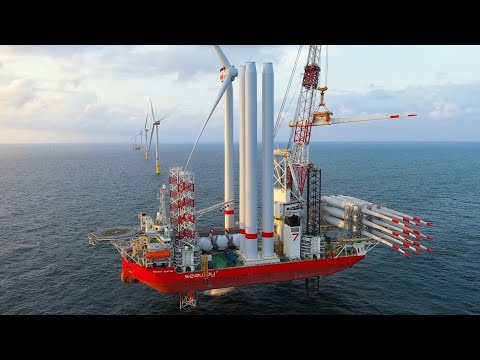
Siemens Gamesa 11 MW turbines, all installed by January 2025.
786 MW
Capacity under corporate PPAs
Amazon (350), BASF (186), Covestro (100), REWE Group (100), Google (50); contracts run 10-25 years.
€0/MWh
Ørsted's winning bid, 2017 auction
Zero-subsidy bids for OWP West and Borkum Riffgrund West 2, two of the farm's three sites.
2.5 GW
Ørsted's German offshore wind capacity
Roughly 25% of Germany's installed offshore wind; enough for about 2.5 million households.

Voices

Curated perspectives — historical figures and your fellow readers.

Ever wondered what historical figures would say about today's headlines?

Sign up to generate historical perspectives on this story.

Play

Exploring all sides of a story is often best achieved with Play.

Most of these play right now — no account needed. Sign up to save scores, keep a streak, and unlock Debate and Predict. Log in Sign Up
Predict 3 ways this could play out. Back the one you believe — contrarian picks score more when a scenario has a resolution date. Log in to play

People Involved

Organizations Involved

Timeline

April 2017 August 2026

7 events Latest: Yesterday
Tap a bar to jump to that date
  1. Commercial operation begins

    Latest Milestone

    Ørsted and Nuveen declare the 913 MW farm fully operational, one of Germany's largest offshore wind projects.

  2. First power delivered

    Milestone

    Borkum Riffgrund 3 sends its first electricity to the German grid.

  3. Grid link commissioning begins

    Infrastructure

    Commissioning of the DolWin5 connection starts; its earlier delays pushed the farm past its original schedule.

  4. Grid platform installed

    Infrastructure

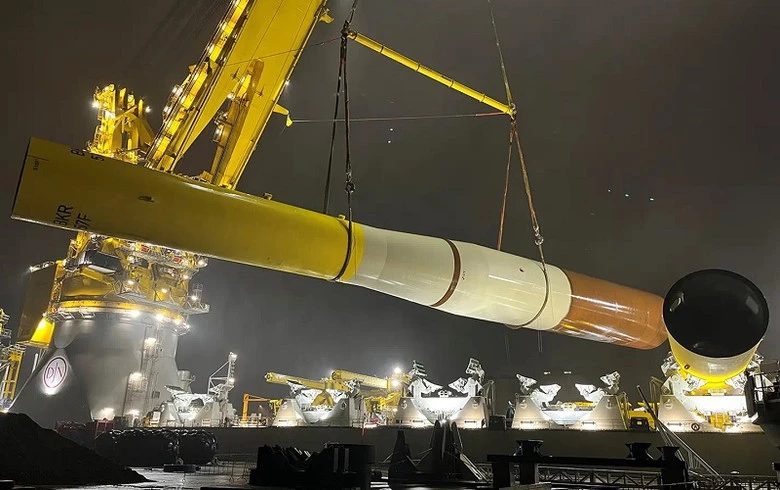
    TenneT completes installation of the DolWin epsilon converter platform, the heart of the DolWin5 grid connection.

  5. All 83 turbines installed

    Construction

    Installation of the 83 Siemens Gamesa turbines, each rated 11 MW, wraps up.

  6. Third site secured

    Auction

    Ørsted wins Borkum Riffgrund West 1 in Germany's second offshore wind auction, completing the portfolio that becomes Borkum Riffgrund 3.

  7. Ørsted bids zero for German offshore sites

    Auction

    In Germany's first offshore wind auction, Ørsted wins OWP West and Borkum Riffgrund West 2 with €0/MWh bids — a world first for offshore wind.

Historical Context

3 moments from history that rhyme with this story — and how they unfolded.

2002

Horns Rev 1, the first large-scale offshore wind farm (2002)

Denmark's Horns Rev 1 put 80 turbines and 160 MW in the North Sea, the world's first large-scale offshore wind farm. Danish utility Elsam, later absorbed into what is now Ørsted, built it.

Then

Early gearbox failures forced months of repairs and raised doubts about offshore wind reliability.

Now

The fixes worked, and Horns Rev helped seed the European offshore wind industry.

Why this matters now

The company that proved offshore wind at Horns Rev went on to bid zero for Borkum Riffgrund 3, moving from proving a technology to selling its power at market price.

April 2010

Alpha Ventus, Germany's first offshore wind farm (2010)

Twelve turbines with 60 MW of capacity stood 45 kilometers north of Borkum island. Built as a government-supported test bed, Alpha Ventus proved German North Sea conditions could support commercial wind power.

Then

The farm demonstrated the technology and trained the supply chain that later built Germany's offshore fleet.

Now

Its success helped justify Germany's shift from feed-in tariffs to competitive auctions, the system that produced Borkum Riffgrund 3.

Why this matters now

Borkum Riffgrund 3 sits in the same waters where Germany's offshore wind industry began. The path runs from a subsidized 60 MW pilot to an unsubsidized 913 MW farm.

2018–2023

Hollandse Kust Zuid, first subsidy-free offshore wind farm (2023)

Vattenfall won the Dutch sites with zero-subsidy bids in 2018 and built a 1.5 GW farm in the North Sea. When fully commissioned in 2023, it was widely described as the world's first subsidy-free offshore wind farm.

Then

The farm proved zero-subsidy offshore wind could be financed and built at scale.

Now

It became the template for the model, confirming that Ørsted's 2017 German zero bids were not an outlier.

Why this matters now

Borkum Riffgrund 3 was bid first but commissioned later. Together the two farms show the zero-subsidy model can be repeated.

Sources

(6)