

Starcloud raises fresh capital to build AI data centers in orbit
New CapabilitiesNVIDIA-backed startup lands a $250 million round to build its largest orbital data-center spacecraft as Earth-based launch slots tighten
Yesterday: $250 million extension, NVIDIA joinsNew here? Follow stories to track developments over time. Create a free account to get updates when stories you care about change.
Overview
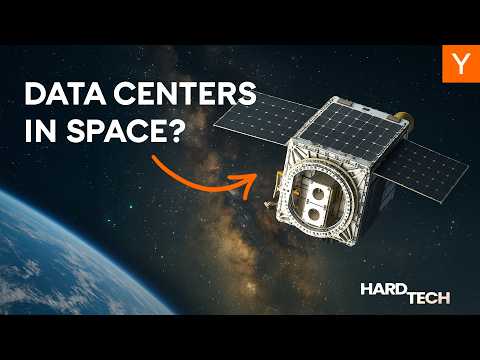
Updated 1 hour agoA dorm-fridge-sized box carrying a single NVIDIA chip ran an AI model in space last year. On August 21, 2026, the startup behind it, Starcloud, said investors handed it $250 million to build something far bigger.
The raise values the Redmond, Washington company at $2.3 billion and pulls chipmaker NVIDIA onto its cap table. The money funds a larger factory and Starcloud-3, its biggest planned orbital data center. The bet: run power-hungry AI in orbit, using constant sunlight for electricity and the cold of space for cooling.
Why it matters
If AI compute moves to orbit, its soaring power and cooling needs shift off Earth's strained grids, but only if launch capacity and economics hold.
Questions about this story
Free account needed to ask — your question is kept and asked for you right after sign-up. Answers are public.
No questions yet — be the first to ask.
Key Indicators
Voices
Curated perspectives — historical figures and your fellow readers.
Play
Exploring all sides of a story is often best achieved with Play.
Higher or Lower
A number from this story, against one from elsewhere in the news — guess which is bigger, then keep the chain going. 5 rounds, 3 strikes; a miss costs a strike and resets your streak.
Keyboard: ↓/L lower · ↑/H higher
0 points — sign up to put that on the leaderboard.
Connections
Sixteen names from the news. Find the four hidden groups of four. Four mistakes max.
Sign up to keep a daily streak — a new puzzle lands every day.
Exit debate?
Your progress in this debate will be lost.
- 1 Two AI personas square off on this story.
- 2 You predict who'll win each round — correct picks earn XP.
- 3 One crossfire question is yours to fire. Pick it carefully.
Couldn't generate a topic
Select Your Champions
Choose one persona for each side of the debate
DEBATE TOPIC
Choose personas with different perspectives for a more dynamic debate.
Select debater for this side:
No debate personas available right now.
Select debater for this side:
No debate personas available right now.
Who's Got This Round?
Make your prediction before the referee scores
The referee scores both sides on
Round Results
Set the Crossfire
Pick the question both personas must answer in the final round
Debate Oracle! You called every round!
Sharp Instincts! You know your debaters!
The Coin Flip Strategist! Perfectly balanced!
The Contrarian! Bold predictions!
Inverse Genius! Try betting the opposite next time!
XP Breakdown
Prediction History
People Involved
Organizations Involved
A Redmond, Washington startup building AI data centers that operate in low Earth orbit.
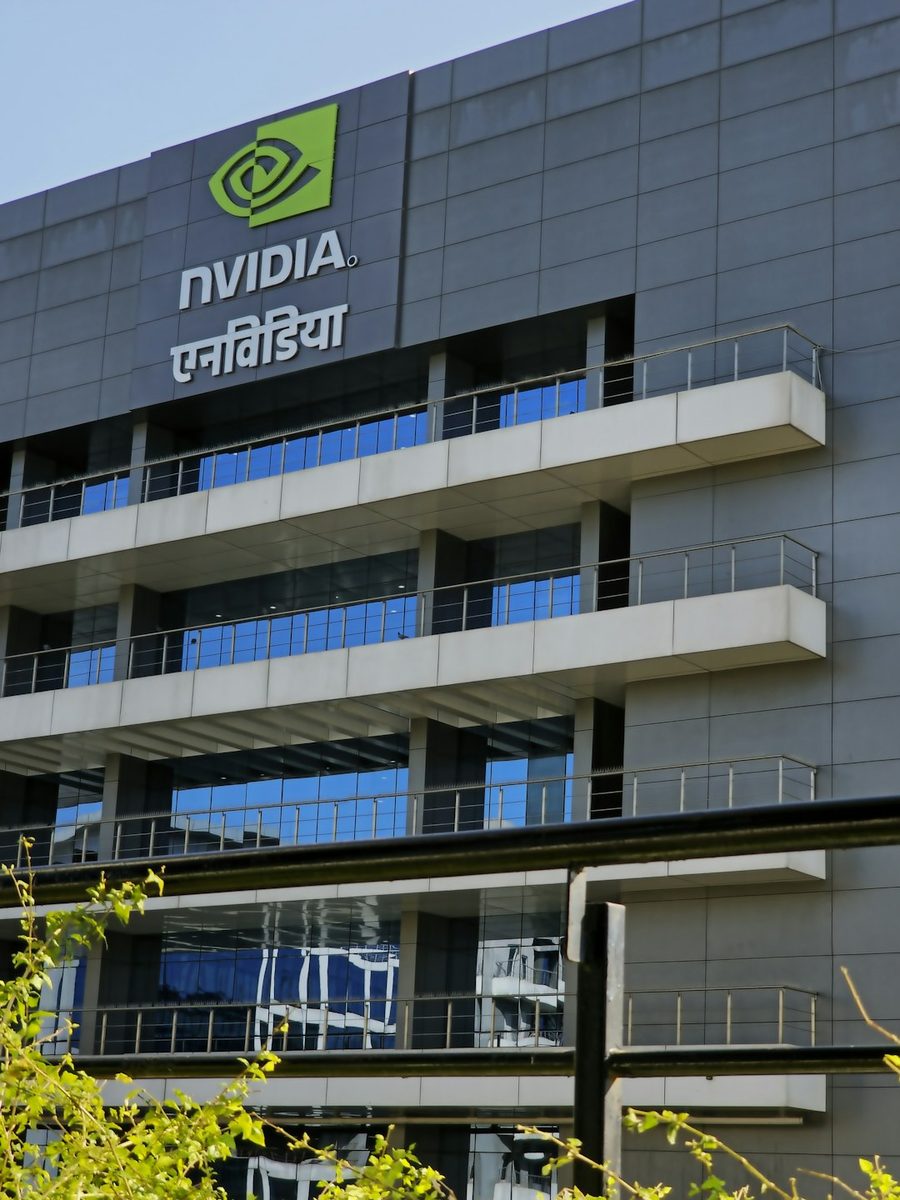
The chipmaker whose graphics processors power most AI training and now sit at the center of Starcloud's hardware.
The Los Angeles investment firm that led Starcloud's Series A extension.
Timeline
January 2024 August 2026
-
$250 million extension, NVIDIA joins
Latest FundingStarcloud adds $250 million at a $2.3 billion valuation, led by Manhattan West with NVIDIA and Cisco Investments. Total funding reaches $450 million.
-
$170 million Series A
FundingStarcloud raises $170 million at a $1.1 billion valuation to expand its orbital plans.
-
AI models run in space
MilestoneStarcloud-1 runs AI inference in orbit and trains a small language model, showing the hardware works in space.
-
First NVIDIA H100 reaches orbit
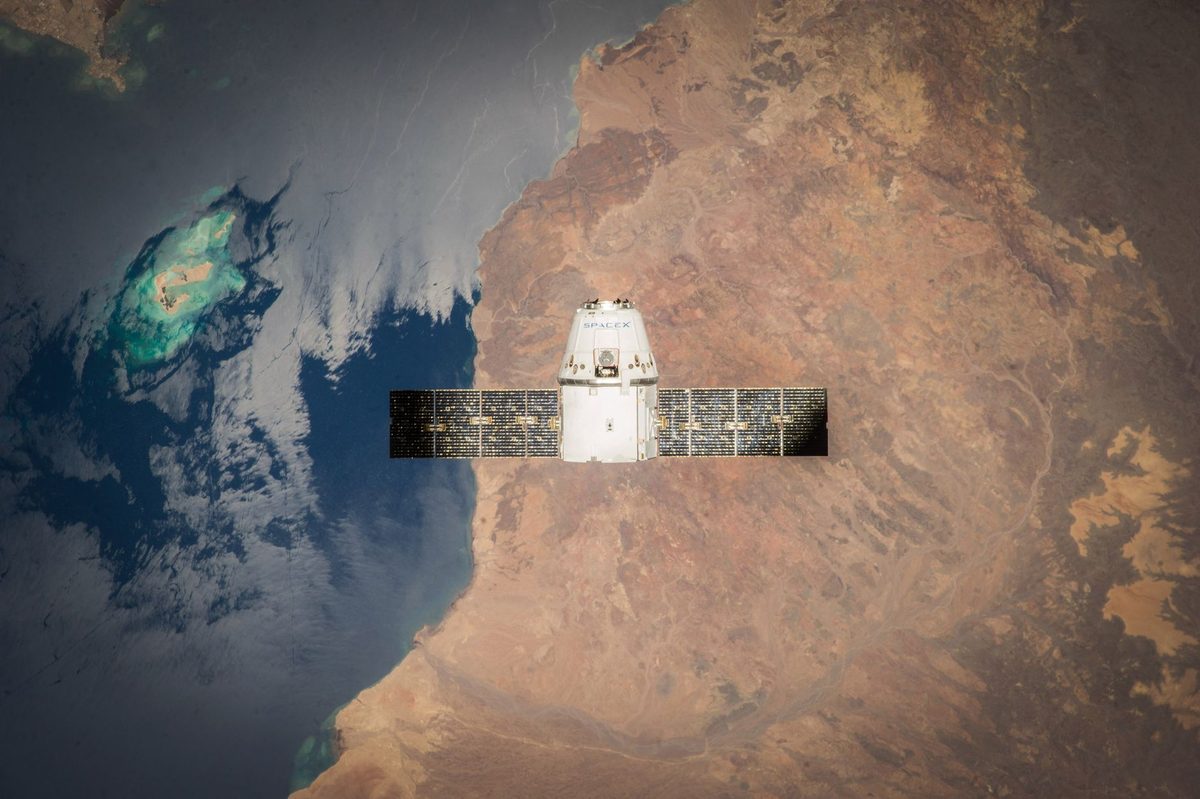
MilestoneStarcloud-1 launches on a SpaceX rocket carrying a single NVIDIA H100, a computer roughly the size of a small refrigerator.
-
Starcloud founded
OriginThe company is founded in Redmond, Washington, to build AI data centers in low Earth orbit.
Historical Context
3 moments from history that rhyme with this story — and how they unfolded.
Teledesic's 'Internet in the sky' (1990s)
Backed by Bill Gates and Craig McCaw, Teledesic planned a constellation of hundreds of satellites to beam broadband worldwide. It raised huge sums and generated enormous hype. It never launched an operational network.
The company kept shrinking its satellite count as costs and technical hurdles mounted.
Teledesic suspended construction in 2002 and folded without flying its constellation.
It shows how a capital-rich, ambitious constellation can collapse under launch and cost realities before reaching orbit, the same pressures Starcloud names as its biggest risk.
Iridium's bankruptcy and revival (1999-2001)
Iridium launched a 66-satellite phone network at a cost of roughly $5 billion. Subscribers never materialized at the scale needed. It filed for bankruptcy in 1999, months after service began.
Investors lost billions, and the satellites nearly de-orbited.
New owners bought the network for about $25 million in 2001 and ran it profitably for years.
Iridium is a reminder that working orbital hardware can still misjudge demand and pricing, and that a bold constellation can be both a technical success and a financial failure.
SpaceX Starlink proves the constellation model (2019-present)
SpaceX began launching Starlink in 2019 and now flies thousands of satellites, using its own cheap, reusable rockets to cut launch costs. It reached millions of subscribers.
Starlink showed large low-orbit constellations could be built and operated at scale.
It reset expectations for what a single company can put in orbit, and made rivals dependent on SpaceX for rides.
Starlink is both the proof that big constellations can work and the reason launch capacity is scarce, since the same rockets Starcloud needs are booked solid.
