
Pull to refresh
Logo
A sealed cave in the Dolomites holds over 100 cave bear skeletons

A sealed cave in the Dolomites holds over 100 cave bear skeletons

New Capabilities

A guide found the chamber in July 2026. Scientists do not get inside until June 2027.

Overview

Updated 3 hours ago

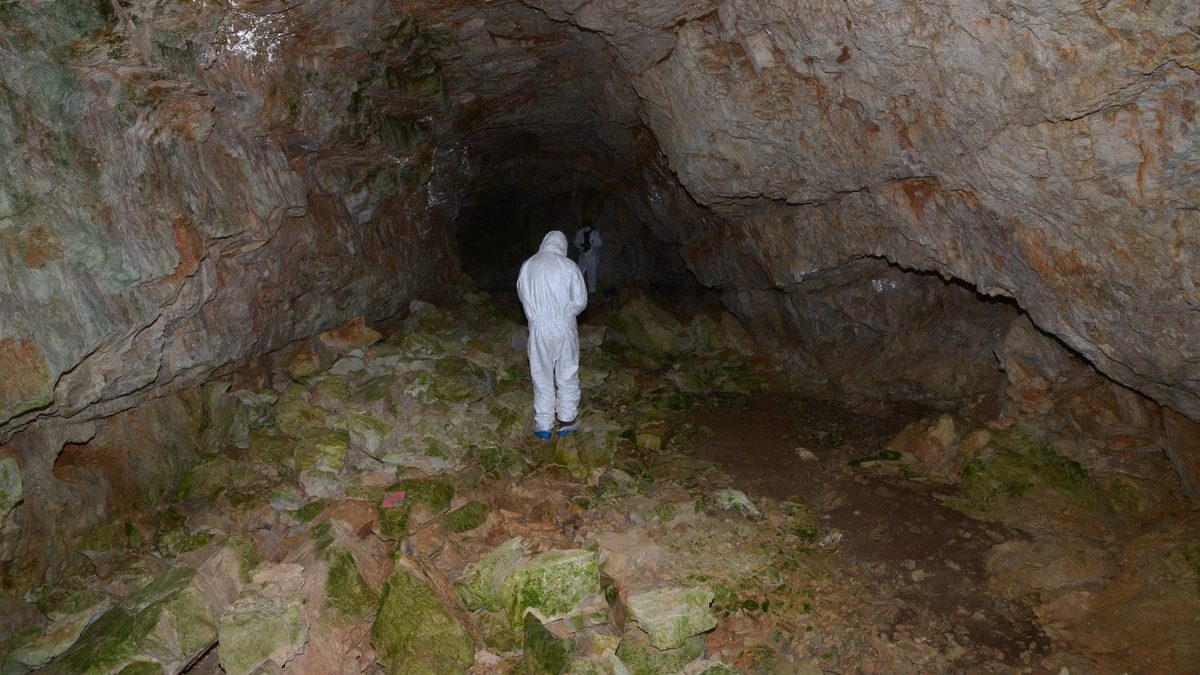
Kurt Walde had run out of rope on a near-vertical face in the Italian Dolomites in July 2026 when he stopped at a ledge and looked into an opening. His headlamp fell on bones: skulls and skeletons spread across the cave floor. "There are hundreds and hundreds of bones there," said Christian Terzer, the provincial archaeologist sent to secure the site.

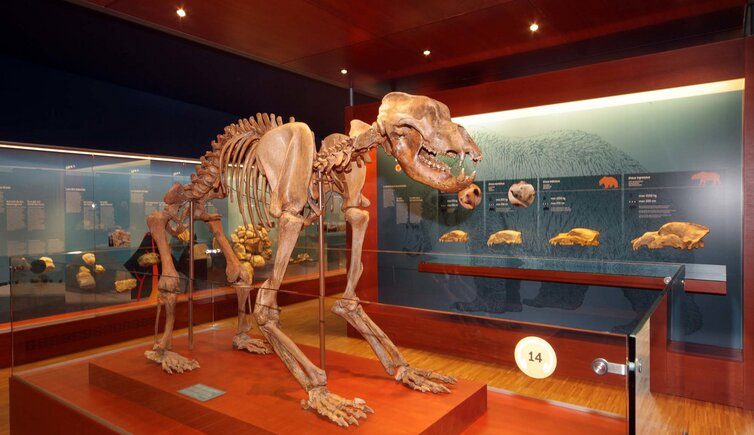
The cave sits across the mountain from Conturines Cave, found in 1987 and still the only place where the extinct bear Ursus ladinicus has been confirmed. If the new bones belong to the same species, researchers move from one exceptional site to a population, with enough skeletons to work out what the animal looked like and how it lived.

Why it matters

A second Ursus ladinicus site would let scientists test what a single cave told them about an extinct Alpine bear.

Questions about this story

Free account needed to ask — your question is kept and asked for you right after sign-up. Answers are public.

No questions yet — be the first to ask.

Key Indicators

100+
Cave bear skeletons reported
Officials describe hundreds of bones but have not published a count of individual animals.
1
Confirmed Ursus ladinicus sites before this find
Conturines Cave is the only place the species has been formally identified.
~2,850 m
Elevation of the cave entrance
A July provincial release gave about 2,800 m; an October release gave nearly 3,000 m.
46,000–50,000
Age in years of the Conturines bones
The new cave's bones have not been dated.
1,200 kg
Estimated weight of an adult Ursus ladinicus
Roughly three metres long, with males larger than females.

Voices

Curated perspectives — historical figures and your fellow readers.

Sign up to generate historical perspectives on this story.

People Involved

Organizations Involved

Timeline

1987 June 2027

6 events Latest: Today
Tap a bar to jump to that date
  1. Research season scheduled to begin

    Upcoming Schedule

    Terzer's team plans to resume scientific work inside the cave.

  2. Report puts the find at over 100 skeletons

    Today Report

    Coverage of the sealed cave states more than 100 cave bears; provincial officials have published no official count.

  3. Discovery announced, gate installed

    Announcement

    The province confirms the find and reports a made-to-measure grille anchored inside the entrance.

  4. Provincial archaeologist briefed

    Administration

    Christian Terzer, weeks into the director's job, is told of the find and begins planning site security.

  5. Walde enters the cave

    Discovery

    A mountain guide downclimbs the Col Toronn wall, finds a bone on a rock shelf, then a slope of skulls and bones.

  6. Conturines Cave found

    Discovery

    Willy Costamoling finds cave bear bones below the Cunturines peak at almost 2,800 metres. Excavations follow.

Scenarios

1

Bones confirmed as Ursus ladinicus, giving the species a second site

Likely Resolves by Q2 2028

Discussed by: Martina Pacher and Spyridoula Pappa, both quoted by the BBC, treat species identification as the central open question.

The 1987 cave produced a small bear adapted to high mountains, and the new cave lies across the same massif. If the teeth and skulls match, the species stops being a single-site anomaly. Identification depends on comparing the new material with the Conturines collection, and no dating has been released yet.

2

Excavation yields articulated skeletons suitable for reconstruction

Possible Resolves by Q2 2029

Discussed by: Pacher, who says complete skeletons would change what researchers can say about the animal's appearance and family ties.

Most cave bear sites produce scattered, trampled bone. A sealed chamber with skeletons still partly in place would let researchers rebuild limb proportions and body shape, and possibly infer which animals died together and when.

3

Study finds evidence of human presence in the cave

Uncertain Resolves by End of 2029

Discussed by: Terzer, who says isolated bones placed on large rocks may be natural or may reflect people entering thousands of years ago.

The bones sitting alone on bedrock shelves are the detail Terzer cannot yet explain. Cut marks, stone tools or burned material would put humans in the cave, which would complicate the picture of a pure natural accumulation and raise questions about whether people moved the bones.

4

Survey links the new cave to Conturines as one system

Possible Resolves by End of 2031

Discussed by: Pacher, who says the two caves may be connected but that no visible link has been found.

The two entrances face each other across the mountain. A mapped connection would turn two sites into one large hibernation system and would explain how bears reached a chamber whose modern mouth is nearly unclimbable.

Historical Context

2 moments from history that rhyme with this story — and how they unfolded.

Autumn 1987

Conturines Cave discovery (1987)

Willy Costamoling, a local from Corvara, found bones in a cave below the Cunturines peak at almost 2,800 metres in the Dolomites. Excavation produced a large cave bear assemblage, later dated to roughly 46,000–50,000 years ago. A smaller bear in the collection turned out to be a previously unknown species, named Ursus ladinicus after the Ladin community.

Then

The site became the highest known cave bear locality in the world and the only confirmed home of Ursus ladinicus.

Now

The find reset assumptions about how large and how high-altitude Ice Age cave bears could be, and its material now anchors a museum in San Cassiano.

Why this matters now

The new cave sits across the mountain from Conturines. Everything scientists conclude about it will be measured against the 1987 collection.

1974

The Mammoth Site, Hot Springs, South Dakota (1974)

Earthmoving for a housing development opened a sinkhole filled with mammoth bones. Rather than build over it, local groups bought the land and turned the deposit into a controlled excavation that the public can watch.

Then

Excavation replaced construction, and the bone bed was stabilised and mapped in place.

Now

The site became a long-running dig and museum, and a model for preserving a dense fossil accumulation exactly where it was found.

Why this matters now

South Tyrol chose the same path: seal the chamber, control access, and leave the bones where they lie until a planned scientific season can study them.

Sources

(5)