
Pull to refresh
Logo
Scotland approves 1 GW floating wind farm off Aberdeenshire as fishing industry objects

Scotland approves 1 GW floating wind farm off Aberdeenshire as fishing industry objects

Built World

Muir Mhòr's 67 turbines would be Scotland's largest floating project; construction now depends on grid access, investment and a fisheries deal

Overview

Updated 2 hours ago

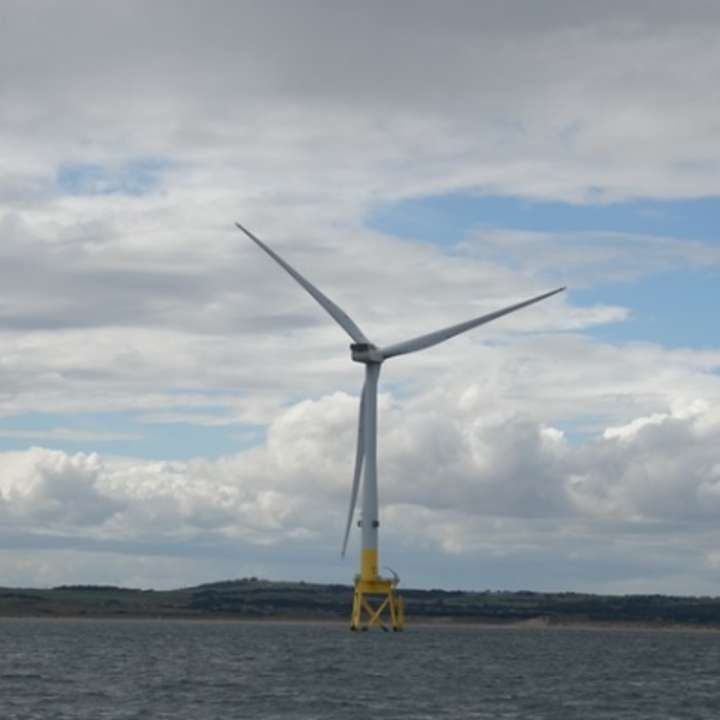
Scotland's government approved Muir Mhòr on November 19: up to 67 floating turbines in the North Sea about 63 kilometers off Aberdeenshire, rated at up to 1 gigawatt. If built, the developer says it would generate enough electricity for more than a million homes, with first power in the early 2030s.

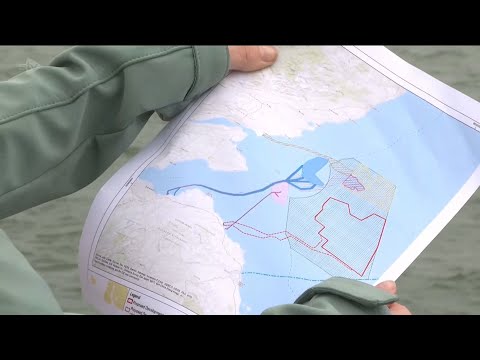
The consent is a planning gate, not a construction order. Fred. Olsen Seawind still needs an investment decision, a firm grid connection date and a fisheries mitigation plan, and Scotland's fishing federation says the anchor and mooring spread will make trawling impossible across 200 square kilometers of haddock and herring grounds.

Why it matters

Floating turbines are the only way to reach most of the world's offshore wind resource, and this project is a test of whether that industry can scale.

Questions about this story

Free account needed to ask — your question is kept and asked for you right after sign-up. Answers are public.

No questions yet — be the first to ask.

Key Indicators

1 GW
Consented generating capacity
The consent covers the full 1 gigawatt design, delivered by up to 67 turbines.
67
Turbines in the consented design
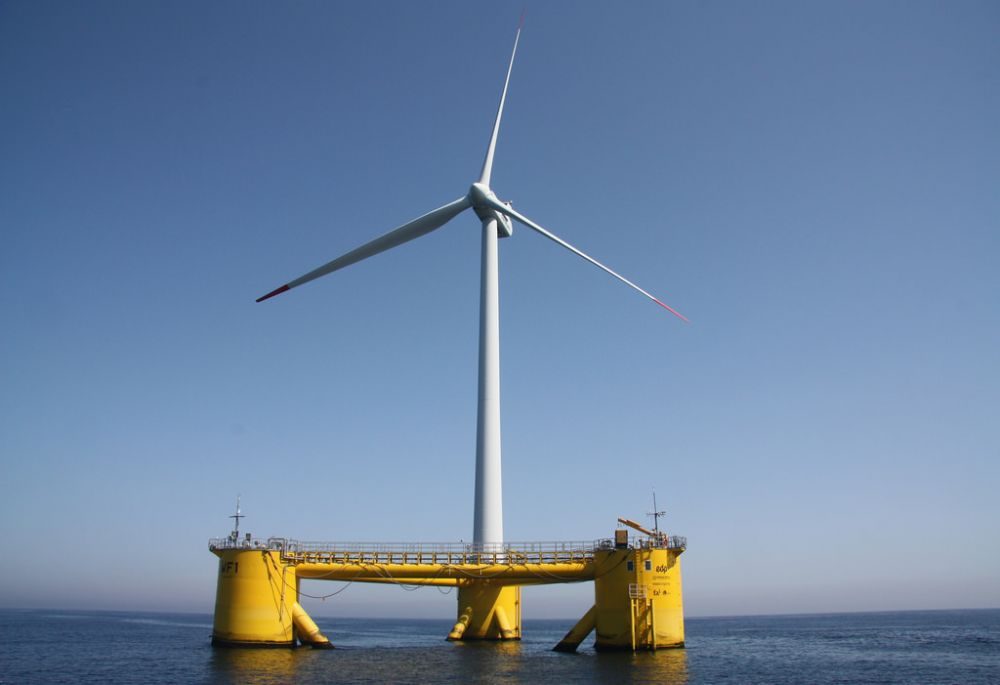
Floating units held by anchors and mooring lines rather than fixed to the seabed.
63 km
Distance from the Aberdeenshire coast
Roughly 39 miles offshore, over grounds fished from Peterhead.
200 sq km
Site area
The fishing federation says it includes part of the Buchan herring spawning grounds.
11+ GW
Scotland's consented offshore wind capacity
Alongside 11 operating farms totaling 4.3 GW, according to the Scottish government.
£18.4M
Development contracts awarded so far
£7.96 million of that went to Scottish suppliers, the developer says.

Voices

Curated perspectives — historical figures and your fellow readers.

Sign up to generate historical perspectives on this story.

People Involved

Organizations Involved

Timeline

2025 November 2026

6 events Latest: 2 days ago
Tap a bar to jump to that date
  1. Industry body points to grid as the next hurdle

    Latest Statement

    Scottish Renewables says grid expansion, firm connection dates and transmission charge reform are needed to turn consent into construction.

  2. Ministers grant consent to Muir Mhòr

    Regulatory

    The Scottish Government approves up to 67 floating turbines at up to 1 GW, with conditions on fisheries mitigation and seabird compensation.

  3. Fishing federation calls consent a "serious blow"

    Statement

    The Scottish Fishermen's Federation says mooring lines will make fishing impossible on part of the site and repeats its call for a moratorium.

  4. Report: some floating ScotWind projects may be handed back

    Industry

    The Scotsman reports developers may return floating wind contracts to Crown Estate Scotland and back more viable projects.

  5. Fred. Olsen Seawind takes full ownership

    Business

    The developer buys out Vattenfall's 50% stake, becoming sole owner of the Muir Mhòr project.

  6. Aberdeenshire Council clears onshore cabling

    Planning

    Councillors approve the underground cables and substation infrastructure that would carry Muir Mhòr's power to the grid.

Scenarios

1

Muir Mhòr reaches financial close and starts construction

Possible Resolves by Q2 2029

Discussed by: Fred. Olsen Seawind's stated timetable, reported by BBC and STV

Consent plus a firm grid connection date and a power buyer would let the developer commit capital. First generation would follow in the early 2030s, matching the schedule the company has given publicly.

2

Developer hands the Muir Mhòr lease back to Crown Estate Scotland

Unlikely Resolves by End of 2028

Discussed by: The Scotsman, which reported in October 2026 that some developers may return floating ScotWind contracts

Floating projects carry high construction costs and thin domestic supply chains. If the economics do not close, the developer can surrender its seabed option instead of building, the route industry reporting suggests other ScotWind winners may take.

3

Ministers pause new offshore wind consents over fishing impact

Unlikely Resolves by End of 2027

Discussed by: Scottish Fishermen's Federation, which renewed its moratorium call after the decision

The federation wants consents halted until ministers assess the combined effect on the fleet and agree full compensation for losses boats cannot avoid. The government has given no sign it will agree.

4

Fisheries mitigation plan fixes an obstacle-free zone before construction

Possible Resolves by Q2 2027

Discussed by: Scottish Fishermen's Federation and the consent conditions themselves

The consent requires the developer to secure fisheries mitigation. The federation says the published strategy does not specify the size or location of the obstacle-free zone it proposes, and wants that settled before work begins rather than after.

Historical Context

3 moments from history that rhyme with this story — and how they unfolded.

October 2017

Hywind Scotland (2017)

Equinor, then called Statoil, started up five floating turbines about 25 kilometers off Peterhead, the first floating offshore wind farm anywhere. The 30-megawatt array used the same anchoring principle now proposed at Muir Mhòr, at a fraction of the scale.

Then

Proved floating turbines could survive North Sea weather and send power ashore.

Now

Became the reference plant for floating projects worldwide and the template for Scotland's later floating ambitions.

Why this matters now

Muir Mhòr would test that design at roughly 30 times the capacity, in the same waters and over the same fishing grounds.

2021-2022

ScotWind leasing round (2021-2022)

Crown Estate Scotland awarded seabed option agreements for roughly 25 gigawatts of new offshore wind, much of it floating, in the first leasing round of its kind for Scottish waters.

Then

Developers paid option fees and began surveys and consent applications.

Now

The round built Scotland's project pipeline and its current bottleneck: far more capacity than the grid is scheduled to connect.

Why this matters now

Muir Mhòr is one of those projects, and reporting in October 2026 said some floating winners may hand their contracts back.

2001-2017

Cape Wind, Massachusetts (2001-2017)

A 468-megawatt wind farm proposed in Nantucket Sound won federal approval in 2010 after years of review, then failed to secure construction contracts with utilities.

Then

Legal challenges and the absence of power purchase agreements kept it unbuilt.

Now

The lease was terminated in 2017, and US offshore wind development moved to other sites.

Why this matters now

Consent, even upheld on appeal, produces no steel in the water without a buyer and a connection.

Sources

(7)