

Pull to refresh
Logo
Pollen trapped in a Roman ship's tar shows where the hull was repaired

Pollen trapped in a Roman ship's tar shows where the hull was repaired

New Capabilities

Researchers found pine pitch and a pitch-beeswax blend on a 2,200-year-old wreck off Croatia, then used the pollen inside to separate coating batches that chemistry alone could not

Overview

Updated 29 minutes ago

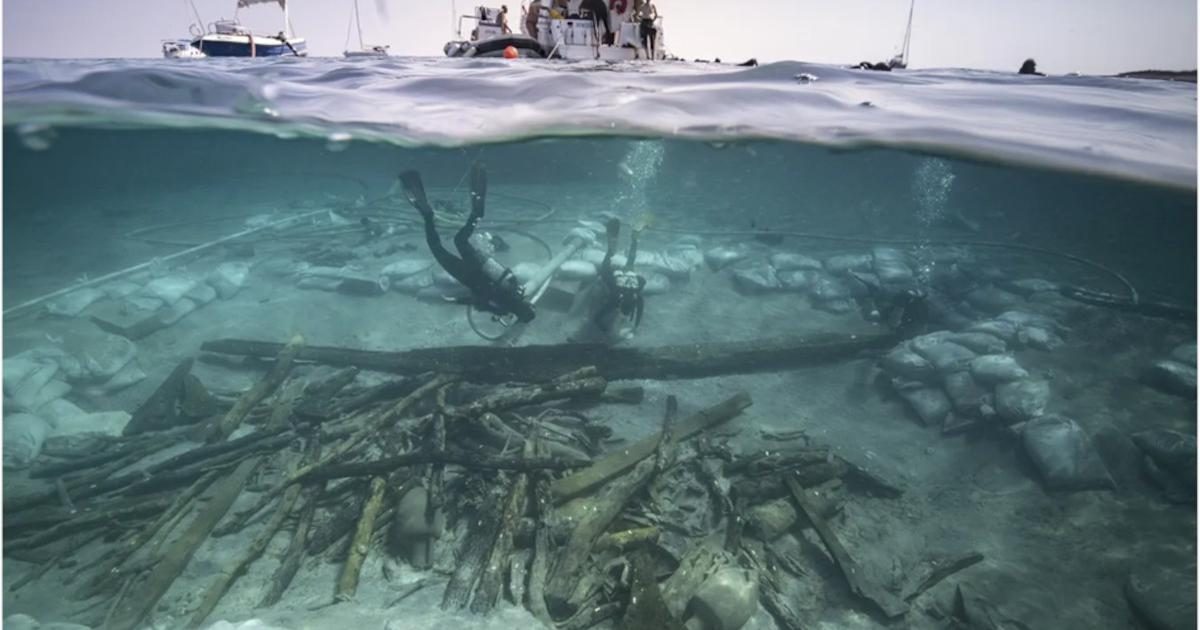
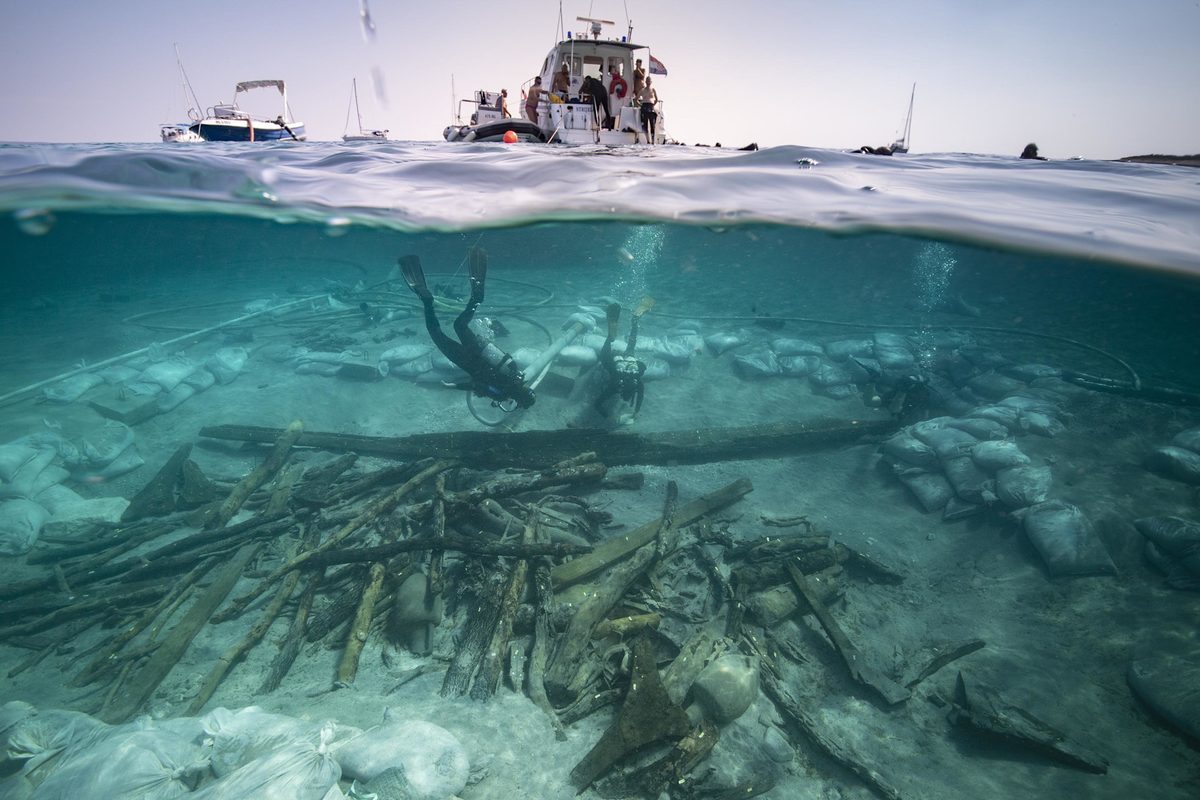
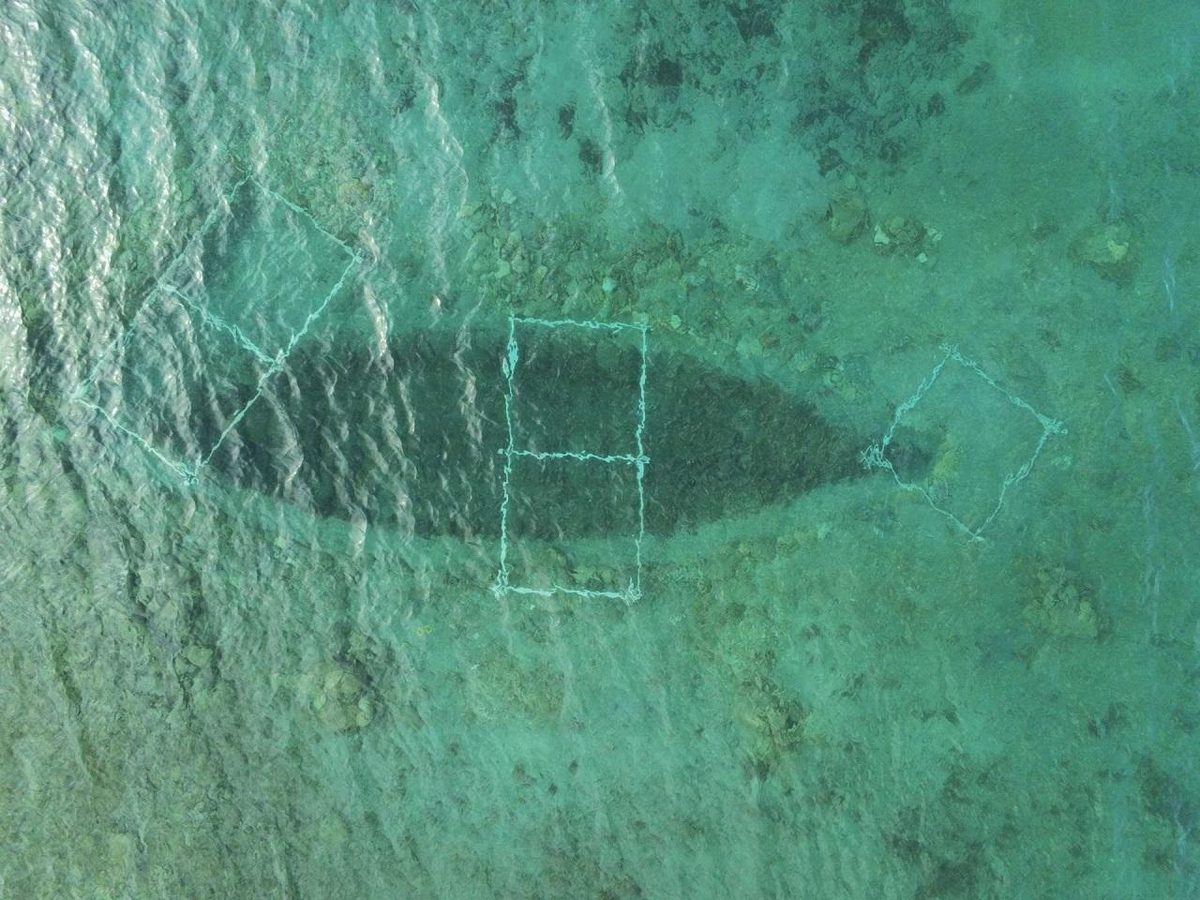
A wooden merchant ship sank off the Croatian island of Ilovik about 2,200 years ago, its hull sealed with pine tar. Ten samples of that coating, analyzed by researchers in France and Croatia, show the ship was sealed or re-sealed in four or five separate batches.

Chemistry alone could not separate them. Nearly every sample was pine pitch, made by heating conifer resin or wood. One sample also contained beeswax, a blend Pliny the Elder records Greek shipbuilders calling zopissa. Pollen grains stuck in the tar did the sorting, pointing to yards near Brindisi in southeastern Italy and to the northeastern Adriatic coast close to where the ship went down.

Why it matters

Pollen stuck in tar can separate repairs that chemistry cannot, letting archaeologists read where a ship was patched and how far it sailed.

Questions about this story

Free account needed to ask — your question is kept and asked for you right after sign-up. Answers are public.

No questions yet — be the first to ask.

Key Indicators

2,200
Years since the ship sank
The wreck dates to the Roman Republic.
10
Coating samples analyzed
The samples came from different points along the hull.
4–5
Distinct coating batches
Statistical analysis split the coatings into four or five separate applications.
1
Samples containing beeswax
Only one sample was a pitch-beeswax blend, the mixture called zopissa.

Voices

Curated perspectives — historical figures and your fellow readers.

Sign up to generate historical perspectives on this story.

People Involved

Organizations Involved

Timeline

2016 November 2026

2 events Latest: 3 days ago
  1. Coating study reports pitch, beeswax and four to five repair batches

    Latest Research

    Ten samples showed pine pitch throughout, with one pitch-beeswax blend; pollen separated coatings that looked chemically identical.

  2. Wreck of Ilovik-Paržine 1 found off Croatia

    Discovery

    The Roman Republican-era ship and its cargo drew a series of investigations, including sediment analysis of its ballast.

Scenarios

1

Researchers match individual coating batches to named harbors

Possible Resolves by End of 2028

Discussed by: The study's authors, who write that pollen can locate where pitch was produced and where it was applied

The paper narrows the coatings to the area around Brindisi and the northeastern Adriatic. Tighter pollen work plus chemical fingerprinting of pitch sources could name the yards that applied each batch, turning the wreck's repair list into a route.

2

Pollen analysis of hull coatings becomes routine on Mediterranean wrecks

Possible Resolves by End of 2029

Discussed by: The authors, who note that pollen separated coatings with identical molecular profiles

If other excavation teams copy the combined molecular and pollen method, coating layers that once looked the same become separate repair events across many wrecks, and repair histories become a standard part of wreck reports.

3

New timbers or cargo evidence overturn the Brindisi build site

Unlikely Resolves by Q2 2029

Discussed by: The study authors, who treat the construction port as a likelihood based on ballast sediment rather than proof

The Brindisi origin rests on the geology of the ship's ballast. Hull timbers from a future excavation, or a different reading of the ballast, could place the build somewhere else on the Adriatic.

Historical Context

2 moments from history that rhyme with this story — and how they unfolded.

1st century AD

Pliny the Elder records zopissa (1st century AD)

In his Natural History, book XVI, Pliny the Elder describes zopissa, a pitch-and-beeswax coating that Greek shipbuilders used on hulls. The text preserved the recipe long after the yards that used it were gone.

Then

The mixture entered Roman technical writing as a known hull treatment.

Now

The recipe survived as text, with little physical material to compare it against.

Why this matters now

One of the ten samples from Ilovik-Paržine 1 is a pitch-beeswax blend the authors identify as zopissa, giving the written recipe an archaeological match.

Roman Republic

Brundisium as a Roman Adriatic port

Brundisium, today's Brindisi on Italy's southeastern coast, was an important maritime center in the Roman world. Sediment analysis of the wreck's ballast pointed to the city as the ship's likely construction site.

Then

The ballast gave researchers a geographic anchor for the ship's origin.

Now

Pollen in the coatings now supports that anchor for some batches, and adds the eastern Adriatic for others.

Why this matters now

Pairing ballast geology with coating pollen is what lets the authors describe a ship built in one place and repaired in another.

Sources

(3)