

Pull to refresh
Logo
West Virginia regulators approve gas plant tied to one data center's demand

West Virginia regulators approve gas plant tied to one data center's demand

Built World

The $2.48 billion, 1,200 MW Maidsville Energy Center comes with 70 MW of solar and a construction surcharge that starts at $1.18 a month per household.

Overview

Updated 22 minutes ago

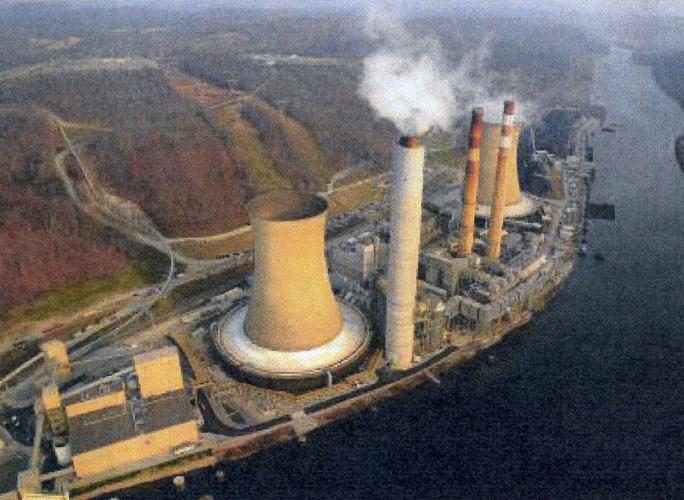
West Virginia's Public Service Commission approved a 1,200-megawatt gas plant on Nov. 17, clearing FirstEnergy subsidiaries Mon Power and Potomac Edison to build at the existing Fort Martin coal site in Monongalia County. The price is $2.48 billion, plus 70 megawatts of solar for $182 million. The stated reason is one unnamed data center customer, whose demand commission staff expect to rise from 100 megawatts in 2028 to 1,012 megawatts by 2033.

The order also approved a surcharge that lets the utilities collect financing costs during construction, before the plant earns revenue. Residential bills rise about $1.18 a month, or 0.9%, to start. Intervenors argue this shifts the risk of an uncertain load forecast onto ratepayers who will not be served by it.

Why it matters

Every state in the PJM grid faces the same question: should customers pay up front for a gas plant built on one company's forecast?

Questions about this story

Free account needed to ask — your question is kept and asked for you right after sign-up. Answers are public.

No questions yet — be the first to ask.

Key Indicators

1,200 MW
Combined-cycle gas capacity
Nameplate capacity of the Maidsville Energy Center at the Fort Martin site.
$2.48B
Gas plant cost
Approved construction cost, separate from $182 million in solar projects.
$1.18
Initial monthly residential surcharge
Company estimate, equal to about 0.9% of a residential bill.
1,012 MW
Forecast data center demand by 2033
Commission staff projection for the single anchor customer, up from 100 MW in 2028.
986
Comments opposing the application
Against 60 comments in support, per the commission's count.

Voices

Curated perspectives — historical figures and your fellow readers.

Sign up to generate historical perspectives on this story.

People Involved

Organizations Involved

Timeline

February 2026 November 2026

6 events Latest: Yesterday
Tap a bar to jump to that date
  1. Approval reported; EPC contract targeted for Q4

    Latest Report

    Trade coverage notes FirstEnergy expects to sign an engineering, procurement and construction contract this quarter.

  2. FirstEnergy raises its capital plan

    Corporate filing

    Form 8-K lifts the 2026-2030 plan to $38 billion and equity needs to $2.8 billion.

  3. PSC grants the certificate

    Decision

    Commission approves the 1,200 MW gas plant, 70 MW of solar and a construction surcharge.

  4. Hearings in Charleston

    Hearing

    Public comment session followed by evidentiary hearings later that week.

  5. Interconnection request goes to PJM

    Grid

    Mon Power asks PJM Interconnection for an interconnection agreement for the new plant.

  6. Utilities file for a certificate

    Regulatory

    Mon Power and Potomac Edison apply to the PSC, citing a projected capacity shortage from 2029 through 2045.

Scenarios

1

Maidsville Runs by the End of 2031

Possible Resolves by Jan 31, 2032

Discussed by: FirstEnergy's investor presentation and the commission's ten-year completion condition

The company has reserved turbine slots for 2030, targets an engineering, procurement and construction contract in the fourth quarter of 2026 and site work in the first quarter of 2027. If those hold, the plant reaches commercial operation on schedule and the surcharge rolls into base rates as planned.

2

The Anchor Data Center Never Shows Up

Possible Resolves by Q2 2031

Discussed by: Sierra Club and Energy Futures Group testimony in the PSC case

Intervenors argued the projections rest on one customer whose plans are not public. If the load fails to arrive, Mon Power would be carrying a plant sized for demand that does not exist, and the surcharge would need revisiting before base rates absorb it.

3

Regulators Make the Data Center Pay Its Own Way

Uncertain Resolves by End of 2028

Discussed by: Sierra Club's proposed large-load tariff, and FirstEnergy's statement that the order permits protective large-load contracts

The order lets the utilities sign contracts with new large-load customers on terms designed to keep other ratepayers from subsidizing the infrastructure. A filed and approved special contract or tariff for the anchor customer would be the concrete version of that.

Historical Context

2 moments from history that rhyme with this story — and how they unfolded.

Canceled before completion

Mid Atlantic Power Pathway (canceled before completion)

PJM and Pepco Holdings planned a high-voltage transmission line across the mid-Atlantic and were allowed to collect construction financing from customers as they built. The project was canceled before it was finished.

Then

Pepco recovered more than $80 million from ratepayers for a line that was never completed.

Now

The case became the reference point for whether pre-completion cost recovery moves risk from shareholders to customers.

Why this matters now

West Virginia's commission cited it when approving the same surcharge structure for Maidsville, a far larger project.

2013–2024

Vogtle nuclear expansion (2013–2024)

Georgia Power and its partners built two new reactors at the Vogtle site in Georgia. Construction started in 2013 and ran years behind schedule, well over the original budget.

Then

State regulators capped how much of the overrun the company could charge customers; shareholders absorbed part of it.

Now

It set the terms of the argument over who pays when a large new plant costs more than promised.

Why this matters now

Maidsville is smaller and a different technology, but the same question applies: what happens to the surcharge if costs climb or the schedule slips?

Sources

(8)