

Pull to refresh
Logo
Cumberland County approves permit for Dominion's 3-GW gas plant

Cumberland County approves permit for Dominion's 3-GW gas plant

Built World

Board's 3-1 vote advances one of the nation's largest gas plants; state air and reliability permits still pending

Yesterday: Supervisors approve the permit 3-1

Overview

Updated 2 hours ago

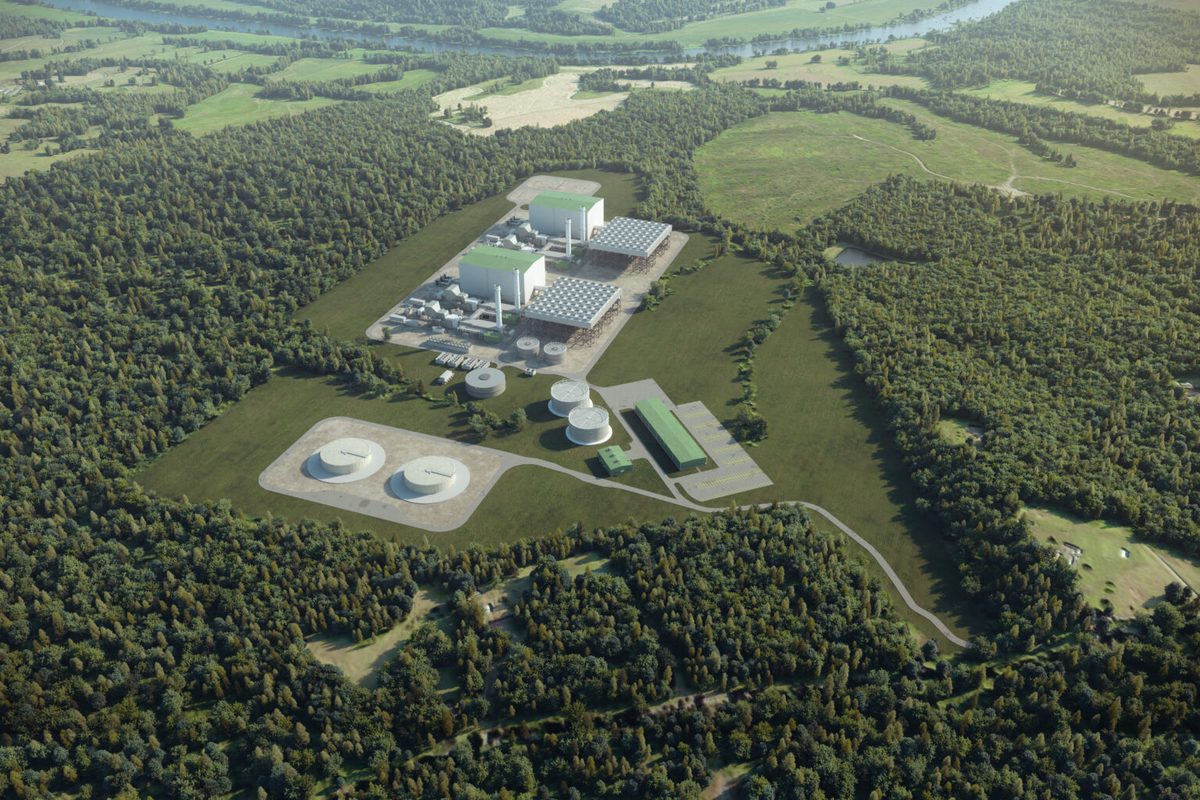
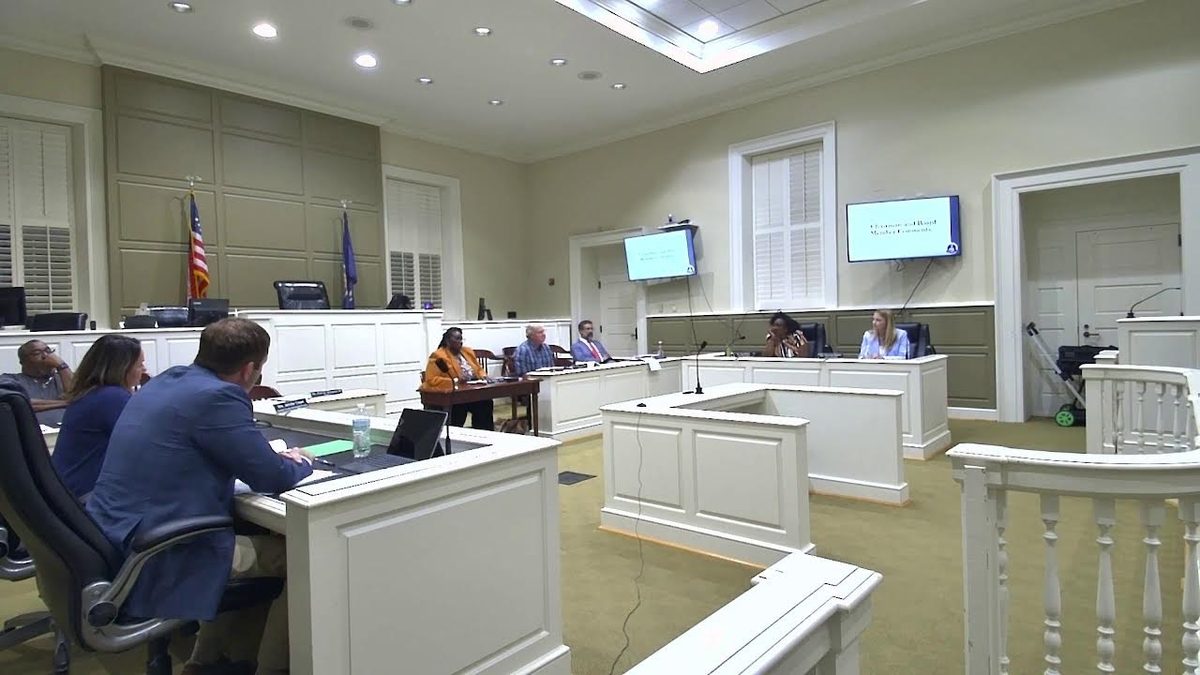
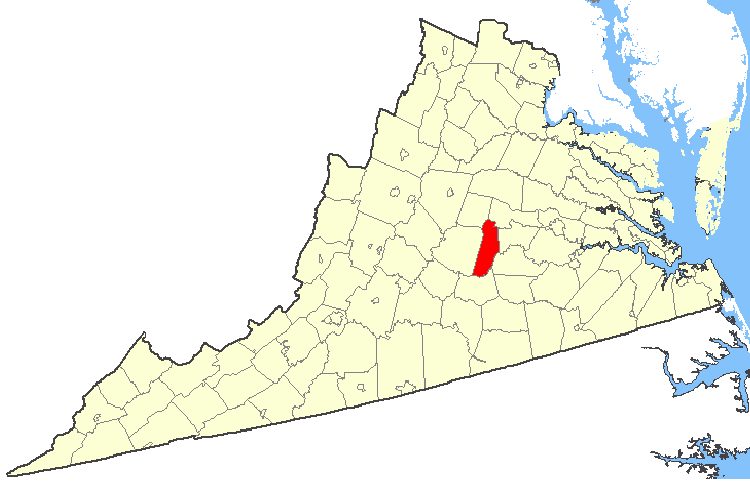
Cumberland County supervisors voted 3-1 on October 20 to approve a conditional use permit for Dominion Energy's 3,000-megawatt gas-fired plant near the James River, an hour west of Richmond. The Cumberland Energy Center would be among the largest gas plants in the United States, topped only by a 4,300-megawatt complex in Florida.

The vote clears one hurdle of several. Dominion still needs an air permit from the Virginia Department of Environmental Quality and approval from the State Corporation Commission, a process the company expects to run into 2028. That review will test the Virginia Clean Economy Act, the 2020 law requiring fossil-fuel plants to retire by 2045, because regulators may waive the deadline when they find the grid needs the plant — the same escape hatch Dominion used to win approval for a smaller Chesterfield County gas plant in 2025.

Why it matters

The plant could run past 2045 under a reliability waiver, testing whether Virginia's carbon-free mandate has teeth and enabling more gas builds.

Questions about this story

Free account needed to ask — your question is kept and asked for you right after sign-up. Answers are public.

No questions yet — be the first to ask.

Key Indicators

3,000 MW
Proposed capacity
Two combined-cycle units would make the plant among the largest gas facilities in the U.S.
$502.1M
Estimated local tax revenue
Dominion projects this over the plant's 36-year operational life.
450
Construction and operation jobs
Dominion's estimate of local jobs created by the project.
2045
Fossil-fuel phaseout deadline
The Virginia Clean Economy Act's cutoff, which regulators can waive for grid reliability.

Voices

Curated perspectives — historical figures and your fellow readers.

Ever wondered what historical figures would say about today's headlines?

Sign up to generate historical perspectives on this story.

People Involved

Organizations Involved

Timeline

2020 2033

7 events Latest: Yesterday
Tap a bar to jump to that date
  1. Earliest operation date

    Upcoming Projection

    Plant scheduled to come online in 2033 or 2034 under the current state permitting schedule.

  2. Construction start targeted

    Upcoming Projection

    Dominion aims to begin construction, pending state air and reliability approvals.

  3. Supervisors approve the permit 3-1

    Latest Regulatory

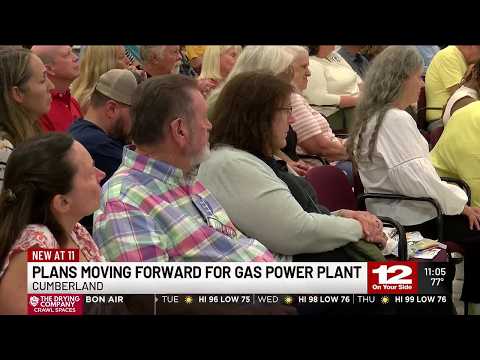
    Cumberland County Board of Supervisors votes 3-1 for the conditional use permit after hours of comment.

  4. Planning commission recommends approval

    Regulatory

    Cumberland County's planning commission recommends the conditional use permit on a 5-1 vote.

  5. Dominion announces Cumberland plant plans

    Announcement

    Utility unveils the 3,000-MW gas plant near the James River in Cumberland County.

  6. State approves Dominion's Chesterfield gas peaker

    Regulatory

    The State Corporation Commission approves the 944-MW Chesterfield plant on grid-reliability grounds.

  7. Virginia enacts Clean Economy Act

    Legislation

    Law mandates carbon-free electricity by 2045, with a reliability waiver for fossil-fuel plants.

Scenarios

1

State permits approved, construction starts in 2029

Likely Resolves by End of 2028

Discussed by: Canary Media, Virginia Mercury

The Department of Environmental Quality issues the air permit and the State Corporation Commission certifies the plant as needed for reliability, clearing Dominion to start construction in 2029 with operation around 2033 or 2034. The path mirrors the Chesterfield gas peaker, which the commission approved on reliability grounds in 2025.

2

Regulators reject or sharply shrink the plant

Possible Resolves by End of 2028

Discussed by: Southern Environmental Law Center, Cumberland residents opposing the project

The commission or environmental agency blocks the project, or forces major changes such as much smaller capacity or stricter pollution limits. Opponents cite the EmPower study estimating 3.2 to 7.1 premature deaths annually from plant pollution, alongside concerns about rural character and property values.

3

Dominion abandons or indefinitely defers the plant

Possible Resolves by End of 2030

Discussed by: gridandgeneration.com, Canary Media

Rising costs, legal challenges, or shifting demand projections push Dominion to shelve the Cumberland project before construction begins, given the multi-billion-dollar price tag and the uncertain fate of the 2045 phaseout.

Historical Context

3 moments from history that rhyme with this story — and how they unfolded.

2025

Dominion's Chesterfield gas peaker (2025)

Dominion won approval from the Virginia State Corporation Commission for the Chesterfield Energy Reliability Center, a 944-megawatt gas peaker plant priced at $1.47 billion, a third of the Cumberland plant's size. The commission allowed it on grid-reliability grounds despite the state's 2045 fossil-fuel phaseout.

Then

The approval created the template Dominion now cites for Cumberland.

Now

It set a precedent for the reliability waiver, raising questions about whether the Virginia Clean Economy Act's phaseout has real teeth.

Why this matters now

Same company, same regulator, same legal mechanism — the Chesterfield approval foreshadows how Cumberland could gain approval.

2020

Virginia Clean Economy Act (2020)

Virginia enacted the Virginia Clean Economy Act, requiring utilities to deliver carbon-free electricity by 2045 and to retire existing fossil-fuel plants. The law included a clause letting regulators keep a plant running when they find the grid cannot do without it.

Then

It put Virginia among the states with binding clean-energy deadlines.

Now

The reliability caveat became the legal opening for new gas builds like Chesterfield and Cumberland.

Why this matters now

The Cumberland plant is the largest test yet of whether the phaseout or the loophole governs Virginia's electricity mix.

2022

West Virginia v. EPA (2022)

The U.S. Supreme Court ruled that the Environmental Protection Agency lacked clear congressional authority for its generation-shifting approach to cutting power-sector emissions. The major-questions ruling constrained federal tools for forcing coal and gas plants offline.

Then

The EPA's regulatory options narrowed.

Now

It left state-level decisions, such as the SCC's reliability findings, as the main lever over whether gas plants keep running.

Why this matters now

With federal pressure limited, the Virginia commission's reliability call becomes the decisive question for the Cumberland plant.

Sources

(10)