
Pull to refresh
Logo
British Transport Police expands facial recognition after trial yields zero correct matches

British Transport Police expands facial recognition after trial yields zero correct matches

New Capabilities

Six-month London station pilot scanned 500,000 faces, cost £320,786, and produced one false positive

Yesterday: Results disclosed

Overview

Updated 2 hours ago

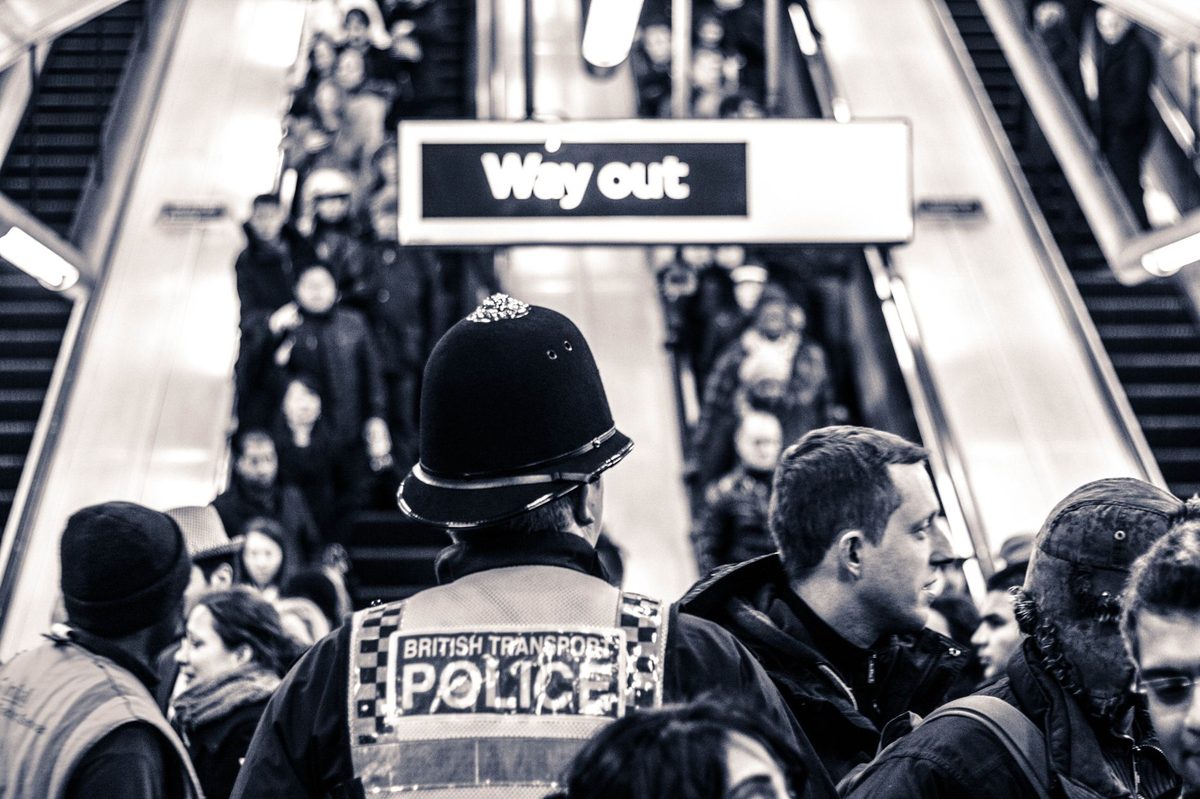
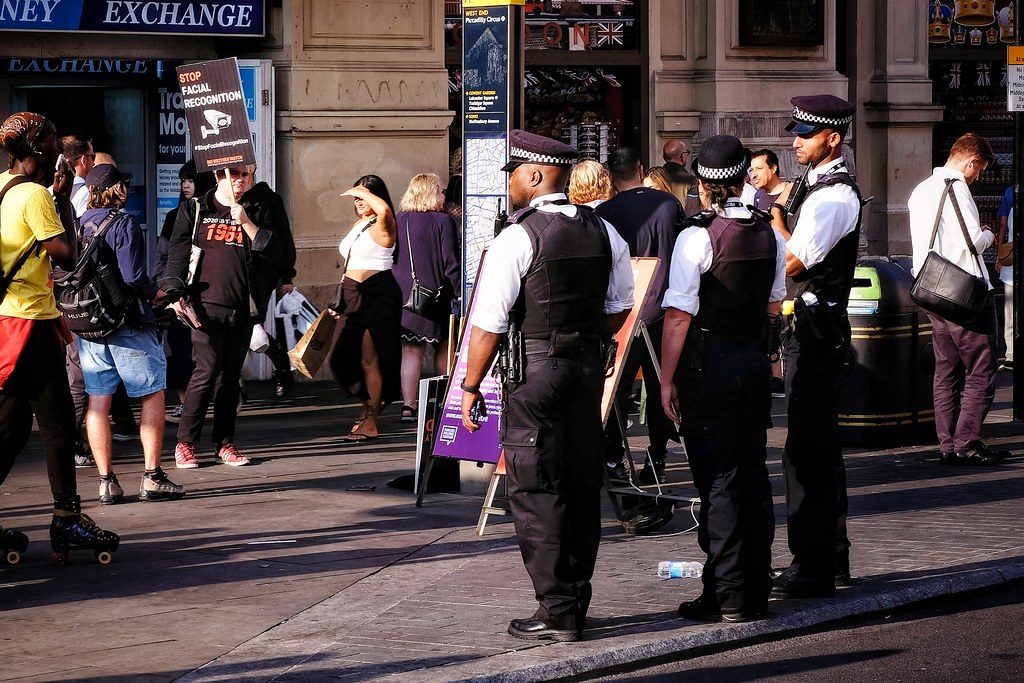
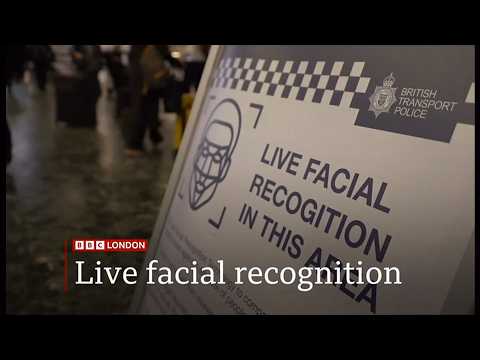
British Transport Police scanned more than 500,000 faces at London railway stations between February and July. The system produced one alert, and that alert was a false match. No arrests followed.

The trial cost £320,786 plus nearly 100 hours of police officer time. Despite those results, the force expanded the pilot to the London Underground in August, and the UK government is weighing a dedicated facial recognition law.

Why it matters

After 500,000 scans produced no correct matches, police are expanding the technology while the UK writes its facial recognition rules.

Questions about this story

Free account needed to ask — your question is kept and asked for you right after sign-up. Answers are public.

No questions yet — be the first to ask.

Key Indicators

500,000+
Faces scanned
Passengers scanned at London railway stations across 18 deployments.
£320,786
Trial cost
Equipment hire and police staffing, disclosed via a freedom of information request.
1
Watchlist alerts
The single alert was a false match, meaning no correct identification.
0
Arrests from LFR alerts
No arrests resulted directly from a facial recognition alert.
18
Deployments
Separate deployments ran at some of London's busiest transport hubs.

Voices

Curated perspectives — historical figures and your fellow readers.

Ever wondered what historical figures would say about today's headlines?

Sign up to generate historical perspectives on this story.

People Involved

Organizations Involved

Timeline

February 2026 November 2026

5 events Latest: Yesterday
Tap a bar to jump to that date
  1. Pilot scheduled to conclude

    Upcoming Assessment

    The force will conduct a full assessment of outcomes, lessons learned, and public response.

  2. Results disclosed

    Latest Disclosure

    Guardian and Liberty Investigates report the trial produced one false positive, no arrests, and a £320,786 cost.

  3. Pilot expands to the Underground

    Deployment

    British Transport Police widens the pilot to selected Transport for London Underground stations.

  4. Initial six-month trial period ends

    Deployment

    18 deployments over February to July scan more than 500,000 faces across London railway stations.

  5. Pilot launches

    Deployment

    British Transport Police begins live facial recognition at selected London transport hubs using NEC's NeoFace M40.

Scenarios

1

BTP keeps rolling out facial recognition despite weak trial results

Likely Resolves by End of 2026

Discussed by: Biometric Update, The Register

The force already expanded the pilot to the London Underground in August, and it points to associated arrests for offenses like assault and possession of a weapon as justification. If the November assessment concludes the technology is effective and deployments continue or grow, this scenario resolves yes.

2

UK government introduces a dedicated facial recognition law

Possible Resolves by Q2 2027

Discussed by: Digital Watch Observatory

The government has signaled it is considering a dedicated legal framework for facial recognition and other biometric technologies. The weak trial results give civil liberties groups and the Information Commissioner's Office fresh grounds to press for statutory limits on mass scanning. A bill, or a formal government consultation proposing one, would resolve this scenario yes.

3

Facial recognition scaled back after critical assessment

Unlikely Resolves by End of 2026

Discussed by: Liberty Investigates, Information Commissioner's Office

Regulators and campaigners question whether scanning half a million commuters to produce zero correct identifications is necessary or proportionate. If the ICO issues formal enforcement action, or BTP's own assessment concludes the benefits do not justify the volume of scanning, the force could narrow or halt deployments. An official decision to stop or shrink the program resolves this scenario yes.

Historical Context

2 moments from history that rhyme with this story — and how they unfolded.

August 2016

Met Police LFR at Notting Hill Carnival (2016)

The Metropolitan Police ran its first live facial recognition trial at London's Notting Hill Carnival, scanning roughly 500,000 faces against a watchlist of suspects. The system produced no arrests from its matches.

Then

The Met reported no successful identifications from the first large-scale public trial of the technology in Britain.

Now

It became an early example of high-volume scanning with minimal output, a pattern that has recurred in later Met and BTP deployments.

Why this matters now

A near-identical ratio of scans to results appears in the BTP trial a decade later, underscoring recurring questions about facial recognition's real-world effectiveness.

August 2020

Bridges v South Wales Police (2020)

South Wales Police used live facial recognition at the 2017 Champions League final in Cardiff and in city-center deployments without public consent. Civil liberties campaigner Ed Bridges sued, and the Court of Appeal ruled the deployments unlawful.

Then

The court found South Wales Police failed to assess equality duties and lacked lawful grounds to collect the biometric data of passersby.

Now

The ruling set a precedent that police facial recognition requires a clear legal basis, pushing forces to strengthen justifications and the government to consider statutory frameworks.

Why this matters now

The legal requirements this ruling established are the backdrop for the BTP trial and the UK government's plans for a dedicated biometric framework.

Sources

(9)