
Pull to refresh
Logo
UK court convicts two Iranian men of spying on Iran International journalists

UK court convicts two Iranian men of spying on Iran International journalists

Force in Play

One was also found guilty of preparing violence; a third defendant was acquitted. Sentencing is set for December 17.

Overview

Updated 53 minutes ago

From August 2024 to March 2025, Mostafa Sepahvand photographed the homes and offices of Iranian journalists in London. On November 12, a jury at Woolwich Crown Court found he had done it for Iran's Islamic Revolutionary Guard Corps, and that he intended to carry out a violent attack on at least one target.

His co-defendant, Farhad Javadi Manesh, was convicted of assisting a foreign intelligence service. A third man, Shapoor Qalehali Khani Noori, was acquitted of all charges. Both convicted men are due to be sentenced at the Central Criminal Court on December 17.

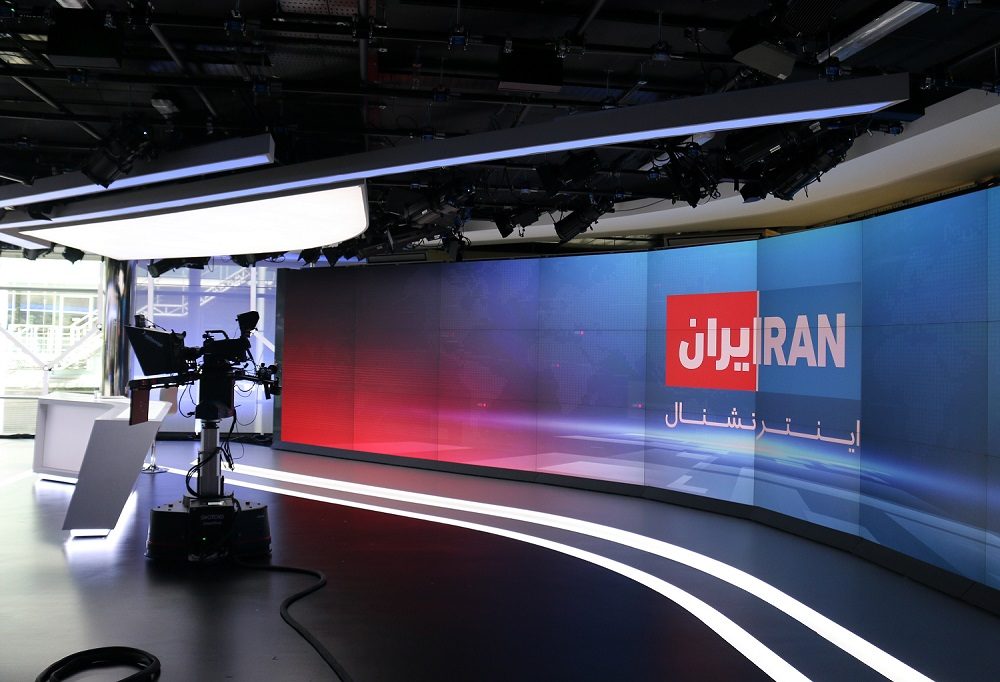
The case is the fourth in three years involving threats to staff at Iran International, the Persian-language broadcaster Tehran has banned. It also produced a courtroom first: prosecutors presented a defendant's ChatGPT search history in a state-threat trial.

Why it matters

Britain is prosecuting Iranian intelligence work on its own soil, and the targets are journalists whose addresses and pets' names ended up in briefing files.

Questions about this story

Free account needed to ask — your question is kept and asked for you right after sign-up. Answers are public.

No questions yet — be the first to ask.

Key Indicators

2
Defendants convicted
Both found guilty of assisting a foreign intelligence service under the National Security Act 2023.
1
Defendant acquitted
Shapoor Qalehali Khani Noori, 57, of Ealing, was cleared of all charges.
£150,000
Sum promised to Sepahvand
He told an Iranian contact he had been offered the money to 'finish off' a target.
534 GB
Data seized by police
Messages, video and voice notes in Farsi had to be translated for the trial.
4
Iran International cases since late 2023
Counter Terrorism Policing says this is the fourth recent case involving direct threats to the broadcaster's journalists.
14 years
Maximum penalty for assisting the IRGC
Britain has designated the Revolutionary Guard as a threat to national security.

Voices

Curated perspectives — historical figures and your fellow readers.

Sign up to generate historical perspectives on this story.

People Involved

Organizations Involved

Timeline

2023 December 2026

7 events Latest: Today
Tap a bar to jump to that date
  1. Two Romanian men jailed over journalist stabbing

    Background

    A separate case ends in prison sentences for stabbing an Iran International journalist outside his home in 2024.

  2. First of four Iran International cases

    Background

    Counter Terrorism Policing later describes a run of cases from late 2023 targeting the broadcaster's staff.

Scenarios

1

Judge hands both men multi-year prison terms on December 17

Likely Resolves by Dec 17, 2026

Discussed by: Counter Terrorism Policing and the Crown Prosecution Service, both of which described the operation as serious and premeditated

Sepahvand was convicted on two counts, including preparing serious violence, and admitted the surveillance. Manesh was convicted of assisting a foreign intelligence service. The prosecution described Sepahvand's duress defence as 'entirely bogus', which if accepted by the judge removes the main mitigation argument. A custodial sentence for both is the expected outcome.

2

Manesh walks free or receives a short sentence

Possible Resolves by Dec 17, 2026

Discussed by: Defence arguments at trial, which cast Manesh as a helper who believed he was house-hunting and was cleared of the violence count

The jury acquitted Manesh of the section 18 charge of preparing surveillance with the intention that serious violence be committed by others. That acquittal gives his lawyers room to argue he was a marginal figure who did not know the operation's purpose. If the judge accepts that framing, his sentence could be substantially shorter than Sepahvand's.

3

Police announce further arrests in the Iran International case series

Uncertain Resolves by Q2 2027

Discussed by: Counter Terrorism Policing, which said the threat from hostile states is increasing and that Iran keeps adapting its use of proxies

Evans said Iran has shifted between flying people in for short trips, using British nationals, and using Iranian nationals with temporary leave to remain. She also said this is the fourth case involving direct threats to Iran International staff. That pattern makes further investigations likely, though police have announced no specific new operation.

Historical Context

3 moments from history that rhyme with this story — and how they unfolded.

September 1992

Mykonos restaurant assassinations (1992)

Gunmen killed four Kurdish-Iranian dissidents at the Mykonos restaurant in Berlin. A German court later found that the order came from Iran's leadership, naming senior officials including the intelligence minister.

Then

The ruling triggered a diplomatic rupture, with European Union states recalling ambassadors from Tehran.

Now

It established a template for treating Iranian operations on European soil as state policy rather than isolated crime, and made Iranian exiles in Europe permanent security concerns.

Why this matters now

The London case follows the same logic: a European court attributing violence against Iranian critics to the Iranian state, with diplomatic and security consequences beyond the individual defendants.

July 2021

Plot against Masih Alinejad in New York (2021)

The US Justice Department charged an Iranian Revolutionary Guard member over an alleged plan to kidnap the Iranian-American journalist Masih Alinejad from her home in Brooklyn. A separate man was later prosecuted for surveilling her house.

Then

The charged Guard member remained outside the US, but the surveillance case produced a conviction and prison sentence.

Now

It showed that Iran's targeting of dissident journalists had moved to physical operations in Western cities, and that prosecutions could proceed even when the handlers stayed in Iran.

Why this matters now

The UK case has the same structure: handlers in Iran, recruited operatives on the ground, and a prosecution built on surveillance evidence rather than the capture of the people who gave the orders.

Late 2023 to July 2026

Earlier Iran International cases in Britain (2023-2026)

Counter Terrorism Policing says this conviction is the fourth recent case involving direct threats to Iran International journalists. In July 2026, two Romanian men were jailed for stabbing one of the broadcaster's journalists outside his home in 2024.

Then

Individual convictions followed, but the broadcaster's staff remained under police protection.

Now

The repeated cases pushed Iran International's security into a standing policing commitment rather than a one-off investigation.

Why this matters now

It explains why police describe this as a pattern rather than an isolated plot, and why the sentencing on December 17 will be read as a signal about how Britain handles the wider campaign.

Sources

(8)