



Pull to refresh
Logo
Brazzein sweetener halves ice cream's blood sugar spike in fatty liver trial

Brazzein sweetener halves ice cream's blood sugar spike in fatty liver trial

New Capabilities

Protein up to 2,000 times sweeter than sugar cut post-meal glucose rises by about half in 101 adults with metabolic disease

Today: Clinical trial shows brazzein halves blood sugar spikes

Overview

Updated 1 hour ago

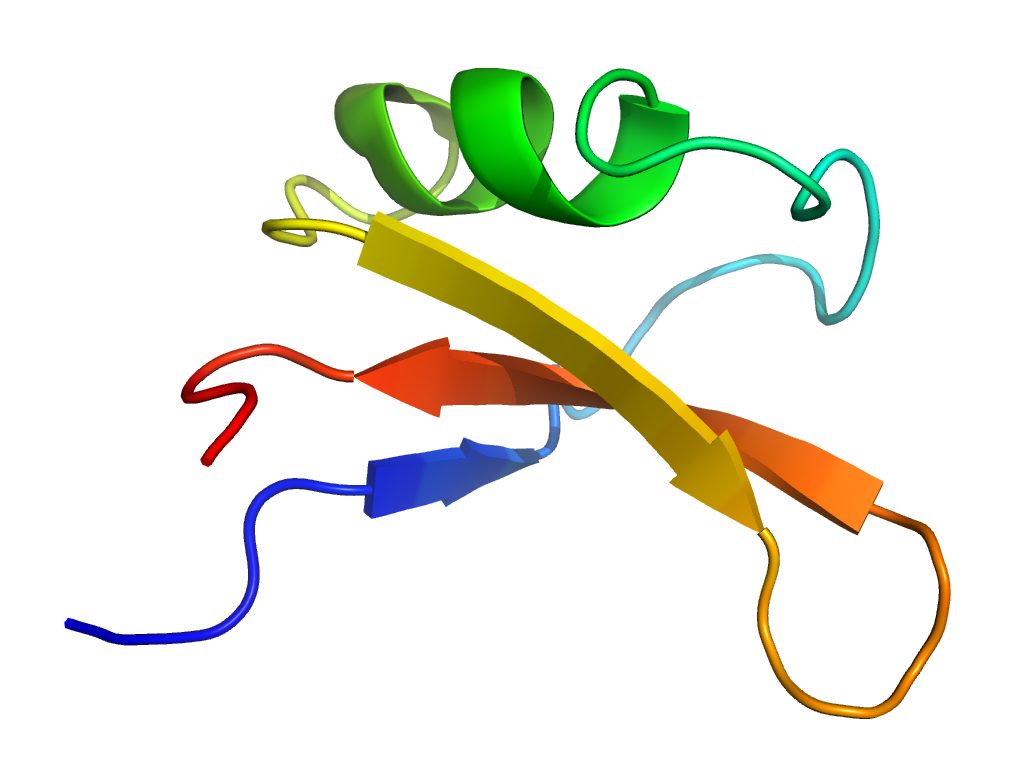
A protein from a West African fruit, up to 2,000 times sweeter than sugar, cut blood sugar spikes from ice cream by about half in a trial of 101 adults with fatty liver disease. The effect was larger in participants who also had type 2 diabetes, and no serious side effects were reported.

Brazzein, now produced mostly by engineered fungi, tolerates heat up to 80°C and a wide range of acidity, so it could work in many foods beyond frozen desserts. The researchers caution that the sugar-free recipes also changed other ingredients, so the effect can't be pinned on brazzein alone.

Why it matters

If longer trials confirm the effect, brazzein could give people with diabetes and metabolic disease a natural way to cut sugar without artificial sweeteners.

Questions about this story

Free account needed to ask — your question is kept and asked for you right after sign-up. Answers are public.

No questions yet — be the first to ask.

Key Indicators

101
Adults with MASLD in the trial
Randomized double-blind crossover trial of brazzein-sweetened ice cream
~50%
Reduction in blood sugar spikes
Post-meal glucose rises were about half as large with brazzein as with sugar
2,000x
Sweetness relative to sugar
Brazzein is up to 2,000 times sweeter than sucrose by weight
80°C
Heat tolerance
Brazzein withstands temperatures up to 80°C, enabling use in many foods

Voices

Curated perspectives — historical figures and your fellow readers.

Ever wondered what historical figures would say about today's headlines?

Sign up to generate historical perspectives on this story.

Organizations Involved

Timeline

2023 October 2026

2 events Latest: Today
  1. Clinical trial shows brazzein halves blood sugar spikes

    Today Research

    Brazzein-sweetened ice cream cut post-meal glucose rises by about half in 101 adults with MASLD, with larger drops in type 2 diabetes participants.

  2. Brazzein safety evaluation published

    Research

    Brazzein from engineered yeast found safe in 90-day rat study, with no adverse effects up to the highest dose tested.

Scenarios

1

Longer trials confirm brazzein's metabolic benefits

Possible Resolves by End of 2028

Discussed by: The study's own researchers, who called for longer-term studies in their published paper

The research team explicitly called for longer studies that swap sugar for brazzein across a range of commonly eaten foods. If those trials show sustained blood sugar benefits over weeks or months, brazzein could move toward broader clinical use and potentially into mainstream food products.

2

Brazzein gains regulatory approval as a sugar substitute

Possible Resolves by End of 2028

Discussed by: The 2023 safety evaluation published in the journal Food and Chemical Toxicology (via SAGE)

The safety evaluation of brazzein from engineered yeast found no adverse effects in a 90-day rat study, with a no-observed-adverse-effect level of 978-985 mg/kg body weight per day. Estimated human consumption is about 3 mg/kg per day, roughly 300 times below the no-effect level. If clinical benefits hold, regulators could approve brazzein as a food additive.

3

Effect traced mostly to recipe changes, not brazzein

Possible Resolves by End of 2027

Discussed by: The researchers themselves, who noted the sugar-free recipes differed in other ingredients

Sugar gives ice cream its bulk and viscosity, so the sugar-free recipes used different filler ingredients. A follow-up study that isolates brazzein's effect could show the blood sugar benefit comes mostly from removing sugar and adjusting the recipe, not from brazzein itself. The researchers gave credit to the whole formulation, not the protein alone.

Historical Context

3 moments from history that rhyme with this story — and how they unfolded.

Mid-1990s

Thaumatin enters the food industry (mid-1990s)

Thaumatin, a sweet protein from the katemfe fruit of West Africa, was commercialized as a sweetener and flavor enhancer. It is at least 3,000 times sweeter than sucrose and is not a carbohydrate, making it suitable for diabetics.

Then

Food and confectionery industries adopted thaumatin as a natural sweetener and flavor enhancer.

Now

Thaumatin remains in use today, demonstrating that West African sweet proteins can find commercial markets.

Why this matters now

Thaumatin shows the path brazzein could follow: a West African fruit protein gaining regulatory approval and commercial use as a sweetener.

2023

Brazzein safety evaluation (2023)

Researchers expressed brazzein in the yeast Komagataella phaffii and ran a 90-day dietary toxicity study in rats. No adverse effects were found up to the highest dose tested, with a no-observed-adverse-effect level of 978-985 mg/kg body weight per day.

Then

The safety case for brazzein as a food additive was established.

Now

Estimated human consumption of 3 mg/kg body weight per day is roughly 300 times below the no-effect level in rats.

Why this matters now

This safety groundwork is what made the clinical trial in humans possible.

2026

Sweelin shows no blood glucose effect (2026)

A clinical trial of sweelin, a monellin-based sweet protein inspired by the serendipity berry, found it had no effect on blood glucose, insulin, or active GLP-1 levels in healthy individuals.

Then

Sweelin was positioned as a metabolically neutral sugar alternative.

Now

The results support the broader category of sweet proteins as sugar substitutes.

Why this matters now

Sweelin's results complement the brazzein trial, showing that sweet proteins generally don't raise blood sugar.

Sources

(5)