Anchor

Amazon cargo crew warned of excessive speed before fatal Miami crash
Built WorldNTSB recordings show one pilot flagged the plane's speed for nearly two minutes; the other gave no consistent response
Today: Pilot warned of excessive speed for nearly two minutes, recordings showNew here? Follow stories to track developments over time. Create a free account to get updates when stories you care about change.
Overview
Updated 1 hour agoAn Amazon Prime Air cargo jet slid off a runway at Miami International Airport on Sept. 6 and killed five workers in a ground van. Recordings show one pilot warned for nearly two minutes that the plane was landing too fast.
The Boeing 767 touched down at roughly 182 mph, about halfway down the 9,360-foot runway. The crew briefly released the brakes and added power as if to abort, then abandoned the attempt four seconds later without deploying spoilers or thrust reversers.
Why it matters
Five workers died because a cargo crew landed too fast and ignored warnings. The NTSB's findings could reshape cargo pilot training on unstable approaches.
Questions about this story
Free account needed to ask — your question is kept and asked for you right after sign-up. Answers are public.
No questions yet — be the first to ask.
Key Indicators
5
People killed on the ground
All five victims were in a van hit by the plane after it cleared the runway.
0.4 km
Distance plane traveled past runway end
The 767 overran the 2.9-km runway by about 396 meters before striking vehicles.
1 min 42 sec
Duration of speed warnings before touchdown
One pilot repeatedly flagged the approach speed; the other gave no consistent response.
2.9 km
Runway length at Miami International
The plane was nearly halfway down the runway when its landing gear first touched.
Related Media
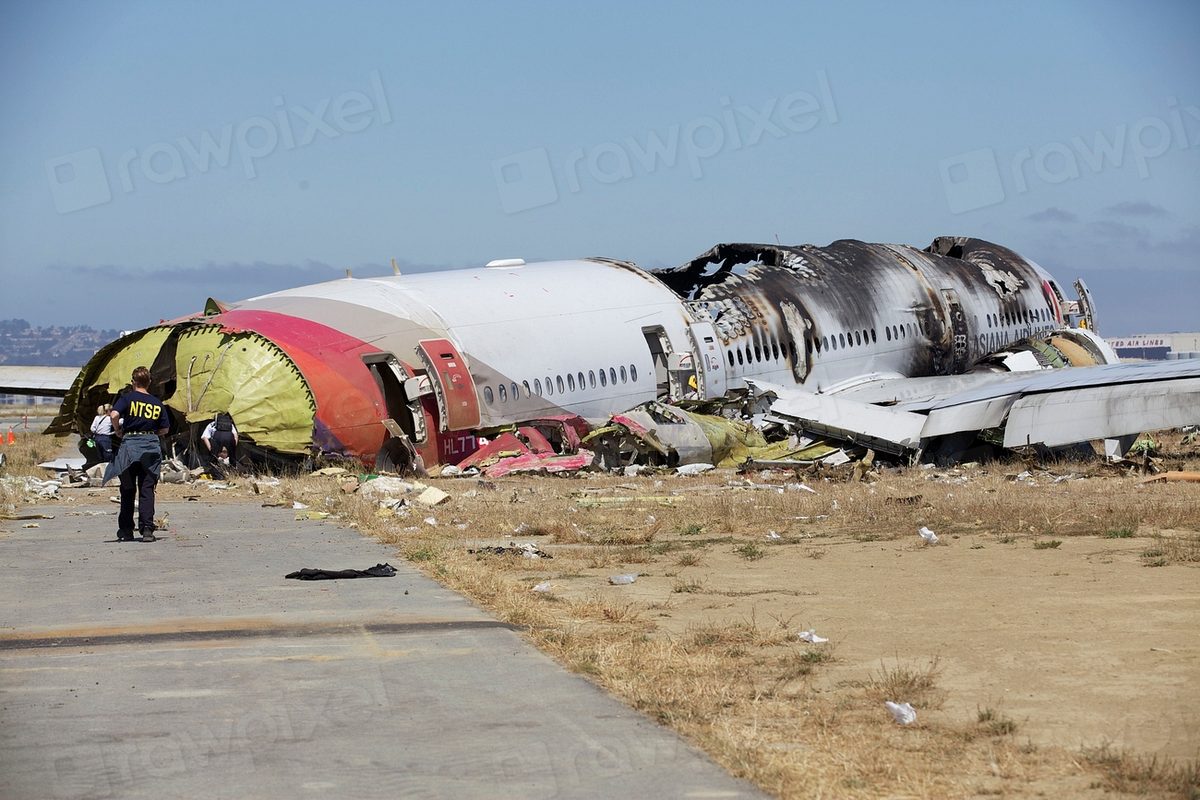
NTSB Investigators on scene at crash
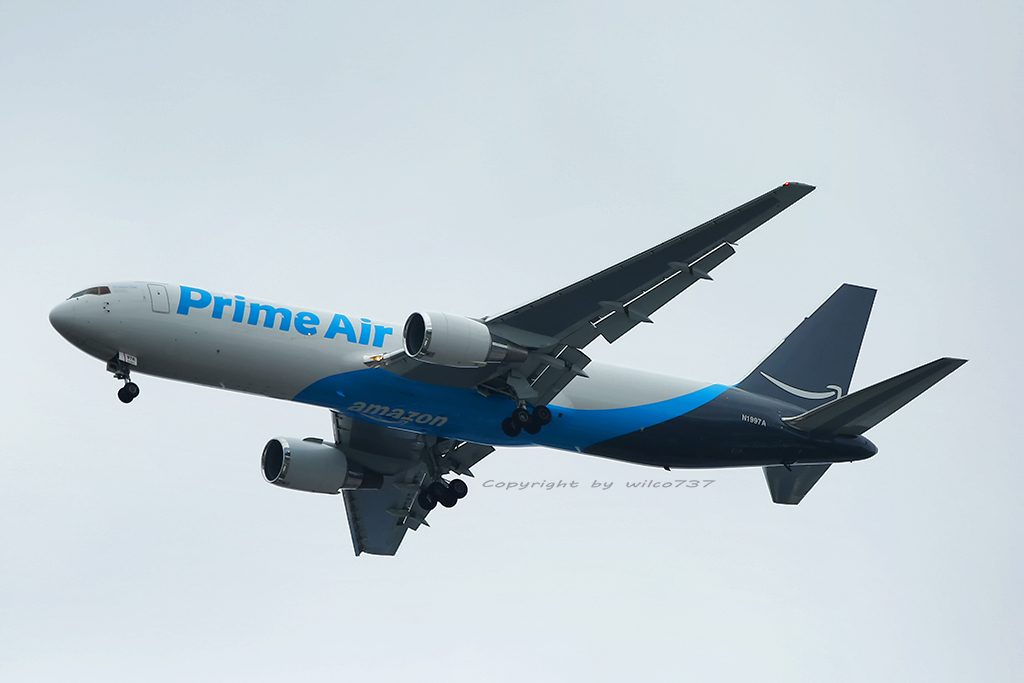
Atlas Air Boeing 767-300ERF Amazon One at SEA (N1997A)

101.9K views
1:09
Pilots applied full power seconds before Amazon cargo plane ...
CNN
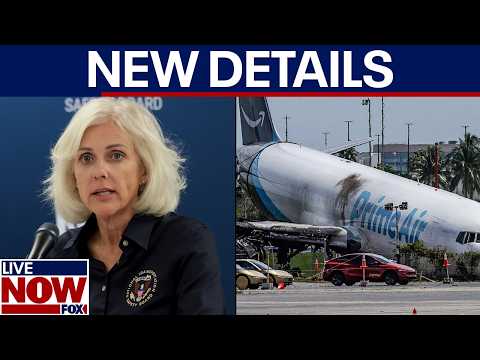
127.3K views
5:10
Cockpit voice recorder captured hours of audio, NTSB says
LiveNOW from FOX
Images from Openverse under Creative Commons licenses. Videos from YouTube.
Voices
Curated perspectives — historical figures and your fellow readers.
Play
Exploring all sides of a story is often best achieved with Play.
Most of these play right now — no account needed. Sign up to save scores, keep a streak, and unlock Debate and Predict.
Log in
Sign Up
WHO SAID WHAT?
Can you match the quotes to the right people?
Rounds
People
Per question
Scoring
- points for each correct match.
- time bonus when you answer in under seconds.
- streak bonus once you hit correct in a row.
Score:
Round /
streak
— Who said this?
Tip: press 1– to answer.
Score:
Round /
streak
+
Base +
⚡ Speed +
🔥 Streak +
Streak reset · the answer was
No answer in time · it was
Next Up
Round
of
Score
points
Correct
Best Streak
Time Bonus
Avg. Time
points — sign up to put that on the leaderboard.
Now try on this story
Higher or Lower
A number from this story, against one from elsewhere in the news — guess which is bigger, then keep the chain going. 5 rounds, 3 strikes; a miss costs a strike and resets your streak.
Example
Anchor
EU tariff revenue
$52B
Big for this kind of number
Mystery
Pentagon AI contract
?
Round 1
Streak: 0
Mystery
?
Keyboard: ↓/L lower · ↑/H higher
0 pts
Best streak: 0 · Rounds: 0
0 points — sign up to put that on the leaderboard.
Now try on this story
Connections
Sixteen names from the news. Find the four hidden groups of four. Four mistakes max.
Loading today's puzzle…
0/4 groups
Mistakes
Sign up to keep a daily streak — a new puzzle lands every day.
Now try on this story
Exit debate?
Your progress in this debate will be lost.
How it works
- 1 Two AI personas square off on this story.
- 2 You predict who'll win each round — correct picks earn XP.
- 3 One crossfire question is yours to fire. Pick it carefully.
Couldn't generate a topic
Select Your Champions
Choose one persona for each side of the debate
DEBATE TOPIC
Choose personas with different perspectives for a more dynamic debate.
SIDE A (PRO)
Select debater for this side:
No debate personas available right now.
SIDE B (CON)
Select debater for this side:
No debate personas available right now.
VS
Get ready to make your prediction...
Round of
Claim
Evidence
Stakes
Crossfire Answer
Closing Statement
Claim
Evidence
Stakes
Crossfire Answer
Closing Statement
Your Crossfire Question
Generating arguments...
Who's Got This Round?
Make your prediction before the referee scores
The referee scores both sides on
Correct predictions earn +20 XP
· Press 1 or 2 to pick
Evidence
40%
Logic
30%
Detail
20%
Style
10%
Round Results
Your Pick
Not this time
(%)
Overall Score
/10
Your Pick
Not this time
(%)
Overall Score
/10
Set the Crossfire
Pick the question both personas must answer in the final round
Crafting crossfire questions...
Choosing a question earns +10 XP crossfire bonus
🏆
Total XP Earned
Cred Change
Predictions
Debate Oracle! You called every round!
Sharp Instincts! You know your debaters!
The Coin Flip Strategist! Perfectly balanced!
The Contrarian! Bold predictions!
Inverse Genius! Try betting the opposite next time!
XP Breakdown
Base completion
+20 XP
Rounds played ( rounds x 5 XP)
+ XP
Correct predictions ( correct x 20 XP)
+ XP
Crossfire bonus
+10 XP
Accuracy
%
Prediction History
Round
You picked:
✓
✗
Now try on this story
Keep debating to level up your credibility and unlock achievements
People Involved
Flight crew (two pilots)
Pilots of Prime Air Flight 7598
Both survived; interviewed by NTSB investigators Sept. 9
Mike O'Donnell
Former FAA official who oversaw airport safety and crash investigations
Commenting publicly on the crash
Mary Schiavo
Former Inspector General of the U.S. Department of Transportation
Raising questions about cockpit hierarchy
Steve Arroyo
Former airline pilot and aviation safety expert
Commenting on cockpit coordination failures
Organizations Involved
National Transportation Safety Board
Federal accident investigation agency
Lead investigator; released preliminary findings Sept. 9
Independent federal agency that investigates civil aviation crashes and issues safety recommendations.
21 Air
Cargo airline
Operated the crashed flight; under investigation
Miami-based cargo airline that operated Prime Air Flight 7598 for Amazon.
Amazon Prime Air
Cargo logistics service
Branded the crashed flight
Amazon's air cargo network, operated through contracted carriers like 21 Air.
The Boeing Company
Aircraft manufacturer
Manufactured the 767 involved in the crash
American aerospace manufacturer that built the 767 freighter that crashed.
Timeline
4 events
Latest: Today
Tap a bar to jump to that date
-
Pilot warned of excessive speed for nearly two minutes, recordings show
Today InvestigationOne pilot repeatedly flagged the plane's speed during the final 1 minute and 42 seconds; the other gave no consistent response.
-
NTSB releases cockpit and flight data recorder findings
InvestigationTranscripts show speed warnings, sink rate alerts, and a brief abandoned go-around attempt in the final seconds.
-
Victim's wife files wrongful death lawsuit
LegalLawsuit alleges multiple failures involving the pilots, aircraft operators, and others connected to the flight.
-
Cargo jet overruns Miami runway, kills five in van
CrashBoeing 767 slides off runway into vehicles on the ground, killing five workers and injuring five others.
Historical Context
3 moments from history that rhyme with this story — and how they unfolded.
December 2005
Southwest Airlines Flight 1248 (2005)
A Boeing 737 slid off a snow-covered runway at Chicago Midway airport, broke through a perimeter fence, and struck two cars on a roadway, killing a 6-year-old boy and injuring several passengers.
Then
The NTSB found the flight crew failed to properly account for runway conditions and did not use reverse thrust soon enough after landing long.
Now
The crash prompted changes in how airlines calculate landing distances in wintry conditions.
Why this matters now
A runway overrun that killed someone off airport grounds, raising the same questions about landing distance and crew decision-making now at issue in Miami.
July 2007
TAM Flight 3054 (2007)
An Airbus A320 landed too fast and too far down the runway at São Paulo-Congonhas airport in Brazil, overran, crossed a busy road, and crashed into a building and gas station. The crash killed 199 people, including 13 on the ground.
Then
Brazilian investigators found the pilots did not configure the aircraft for landing correctly and one engine's thrust lever was jammed, preventing reverse thrust.
Now
The crash led to tightened runway safety requirements at Congonhas and heightened scrutiny of landing-speed and thrust-reverser failures across the industry.
Why this matters now
An extreme example of a high-speed landing that turned a runway overrun into a mass-casualty event off airport grounds.
February 2009
Colgan Air Flight 3407 (2009)
A Dash 8 Q400 turboprop crashed into a house near Buffalo, New York, on approach, killing all 49 aboard and one person on the ground. The NTSB found the captain and first officer failed to monitor each other's actions, contributing to an improper response to a stall warning.
Then
The investigation exposed gaps in pilot training and cockpit coordination at regional airlines.
Now
Congress passed the Airline Safety and Federal Aviation Administration Extension Act, and the FAA implemented the 1,500-hour rule for airline pilots.
Why this matters now
A crash rooted in cockpit coordination failures that produced sweeping regulatory change in pilot training — the same mechanism now under scrutiny in Miami.
Sources
(10)Related Stories
Air Canada jet collides with fire truck on active LaGuardia runway, killing both pilots
Built World
Updated May 30
Boeing's 737 MAX production rebuild
Built World
Updated May 27
Washington mid-air collision: From tragedy to safety reckoning
Rule Changes
Updated May 23
Amazon expands Prime Air drone delivery toward nearly 500 US cities
Built World
Updated Aug 19
The weight-and-balance loophole killing Alaska commuters
Rule Changes
Updated May 19
Amazon files notice to cut 78 jobs in San Francisco
Money Moves
Updated Sep 2