

Pull to refresh
Logo
Afghanistan and Turkmenistan agree to joint road transport commission

Afghanistan and Turkmenistan agree to joint road transport commission

Built World

Two-day talks in Herat aim to ease visa rules and jump-start transit along the Lapis Lazuli corridor

Yesterday: Joint road transport commission agreed in Herat

Overview

Updated 1 hour ago

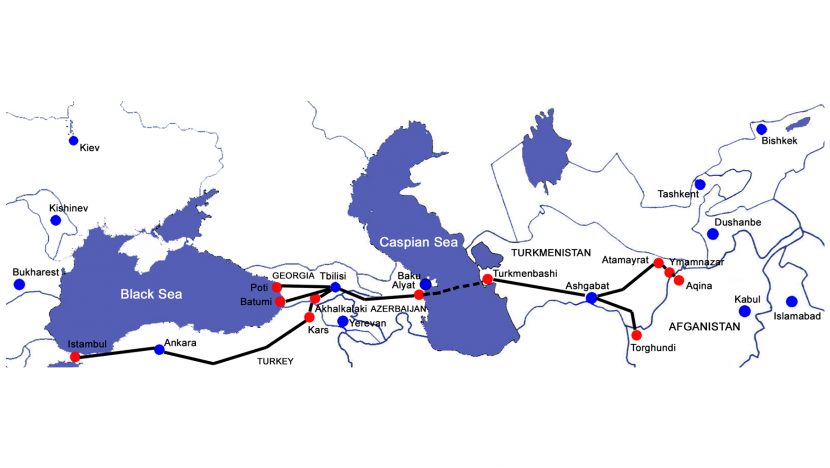
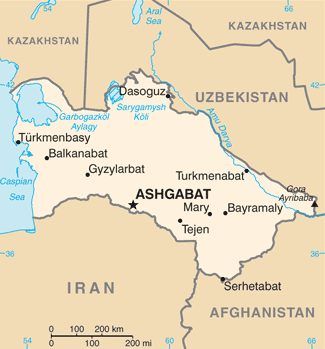
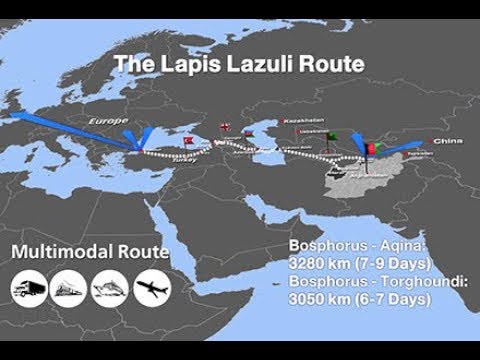
Afghanistan and Turkmenistan closed two days of technical talks in Herat with an agreement to create a joint road transport commission. The body is meant to ease visa procedures for cross-border drivers and traders, push forward the Lapis Lazuli corridor linking Afghanistan to Turkey and Europe, and increase the flow of transit vehicles between the two countries.

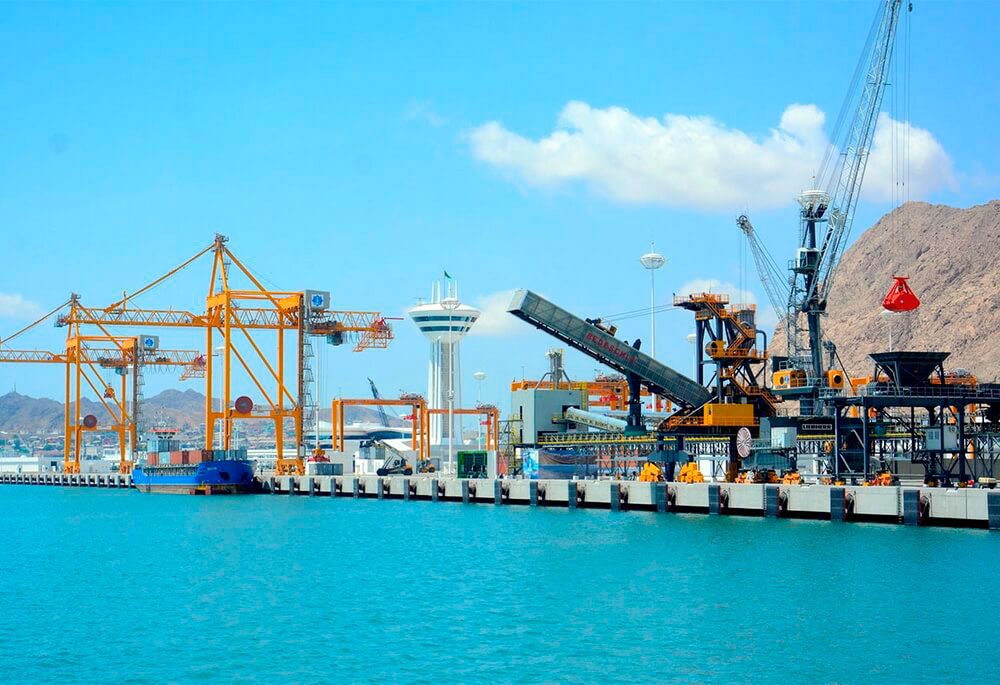
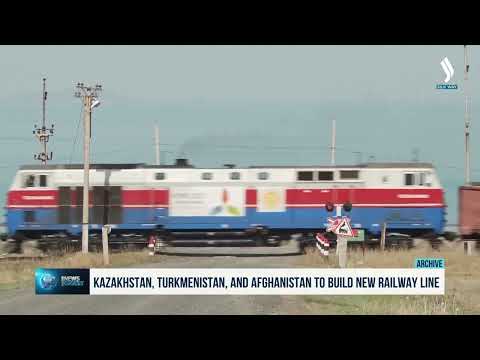
For landlocked Afghanistan, the Turkmenistan route is the shortest path to deep-water ports and western markets. The agreement lands as Ashgabat invests heavily in the Turkmenbashi seaport, rail connections, and digital transit systems that feed the Middle Corridor between China and Europe. Afghan officials also discussed railway links and bilateral trade during the talks, with private-sector representatives expected to join future sessions.

Why it matters

If the commission clears transit bottlenecks, landlocked Afghanistan gains a functioning trade artery to Turkey, the Caucasus, and European markets. If it stalls, the Lapis Lazuli corridor remains a road map on paper rather than a working route.

Questions about this story

Free account needed to ask — your question is kept and asked for you right after sign-up. Answers are public.

No questions yet — be the first to ask.

Key Indicators

5
Countries in Lapis Lazuli corridor
Afghanistan, Turkmenistan, Azerbaijan, Georgia, and Turkey signed the five-party agreement in 2017.
2018
Year road form of corridor opened
The Lapis Lazuli route became operational by road in 2018; the railway segment remains incomplete.
2
Days of technical talks in Herat
Delegations from both countries met September 21-22, 2026, producing the joint commission agreement.

Voices

Curated perspectives — historical figures and your fellow readers.

Ever wondered what historical figures would say about today's headlines?

Sign up to generate historical perspectives on this story.

People Involved

Organizations Involved

Timeline

2012 September 2026

4 events Latest: Yesterday
Tap a bar to jump to that date
  1. Joint road transport commission agreed in Herat

    Latest Agreement

    Technical delegations from both countries agree to create a joint commission on road transport, ease visa rules for drivers and traders, and operationalize the Lapis Lazuli corridor.

  2. Corridor opens in road form

    Operational

    The road segment of the Lapis Lazuli corridor becomes operational, though full utilization lags due to transit bottlenecks.

  3. Five-party agreement signed in Ashgabat

    Treaty

    Afghanistan, Turkmenistan, Azerbaijan, Georgia, and Turkey sign the agreement establishing the Lapis Lazuli corridor.

  4. Lapis Lazuli corridor concept takes shape

    Initiative

    The idea of an Afghan westward trade route through Turkmenistan and the Caucasus emerges, named for the gemstone traded along it historically.

Scenarios

1

Joint transport commission begins regular work, transit volumes rise

Likely Resolves by Q2 2027

Discussed by: Ariana News, TurkicWorld; consistent with Turkmenistan's stated goal of becoming a regional logistics hub

The commission holds its first working meetings within months, revises visa procedures for Afghan and Turkmen drivers, and reports measurable increases in transit vehicle crossings. Afghanistan's Ministry of Transport and Civil Aviation publishes the new procedures, making them verifiable. Private-sector participation in follow-up meetings signals the agreement is translating into practical trade facilitation rather than staying at the ministerial level.

2

Agreement stalls, corridor stays mostly inactive

Possible Resolves by Q3 2027

Discussed by: The Diplomat (2024 analysis flagged balancing risks and untapped opportunities in Turkmen-Afghan relations)

The commission is established on paper but fails to convene meaningfully or produce visa changes. Political turnover, funding gaps, or security issues in Herat province derail implementation. The corridor continues to carry minimal traffic, and Afghan traders keep relying on existing routes through Pakistan or Iran.

3

Cooperation expands beyond roads into rail and power links

Possible Resolves by End of 2027

Discussed by: Sources describing the TAP-500 power line acceleration and Herat-Torghundi railway discussions

The road transport agreement becomes a stepping stone for broader Afghan-Turkmen integration. The 500-kilovolt TAP power transmission line crosses construction milestones, Herat-Torghundi rail traffic increases, and Berdimuhamedov's proposed economic cooperation commission gains traction. Turkmenistan's e-TIR digital transit system expands to Afghan operators, cutting paperwork at the border.

Historical Context

2 moments from history that rhyme with this story — and how they unfolded.

2010-2025

TAPI Pipeline Negotiations (2010s-present)

The Turkmenistan-Afghanistan-Pakistan-India natural gas pipeline, a $10 billion project, has been proposed for decades. Construction on the Afghan section began in 2018, but security issues and financing delays have repeatedly pushed back completion dates.

Then

Progress has been slow, with segments built piecemeal and repeated target-date extensions.

Now

The project demonstrates both countries' willingness to pursue major joint infrastructure and the persistent obstacles of security, financing, and regional politics that slow such projects.

Why this matters now

TAPI shows the pattern in Afghan-Turkmen cooperation: ambitious infrastructure agreements that require repeated summit-level renewals to stay alive. The 2026 transport commission follows this same rhythm.

November 2017

Lapis Lazuli Corridor Five-Party Agreement (2017)

Afghanistan, Turkmenistan, Azerbaijan, Georgia, and Turkey signed an agreement in Ashgabat to create a transit corridor named for the Afghan gemstone traded westward through the Caucasus for centuries. The road form opened in 2018, but the railway segment connecting Herat to Torghundi remained incomplete.

Then

The agreement created the legal framework for Afghan exports to reach Turkish and European markets without passing through Pakistan. Traffic volumes stayed modest due to visa friction and infrastructure gaps.

Now

The corridor became the centerpiece of Afghan westward trade strategy and a key part of Turkmenistan's logistics hub ambitions, though full operationalization remained an unfinished project.

Why this matters now

The 2026 joint commission is the latest attempt to operationalize this same corridor, addressing the visa and transit bottlenecks that have kept it underused since 2018.

Sources

(6)