



Pull to refresh
Logo
Azerbaijan and Kazakhstan inaugurate Trans-Caspian fiber-optic cable line

Azerbaijan and Kazakhstan inaugurate Trans-Caspian fiber-optic cable line

Built World

380-kilometer undersea cable gives the Middle Corridor a digital route from Asia to Europe

Today: Presidents inaugurate the Trans-Caspian fiber-optic cable

Overview

Updated 1 hour ago

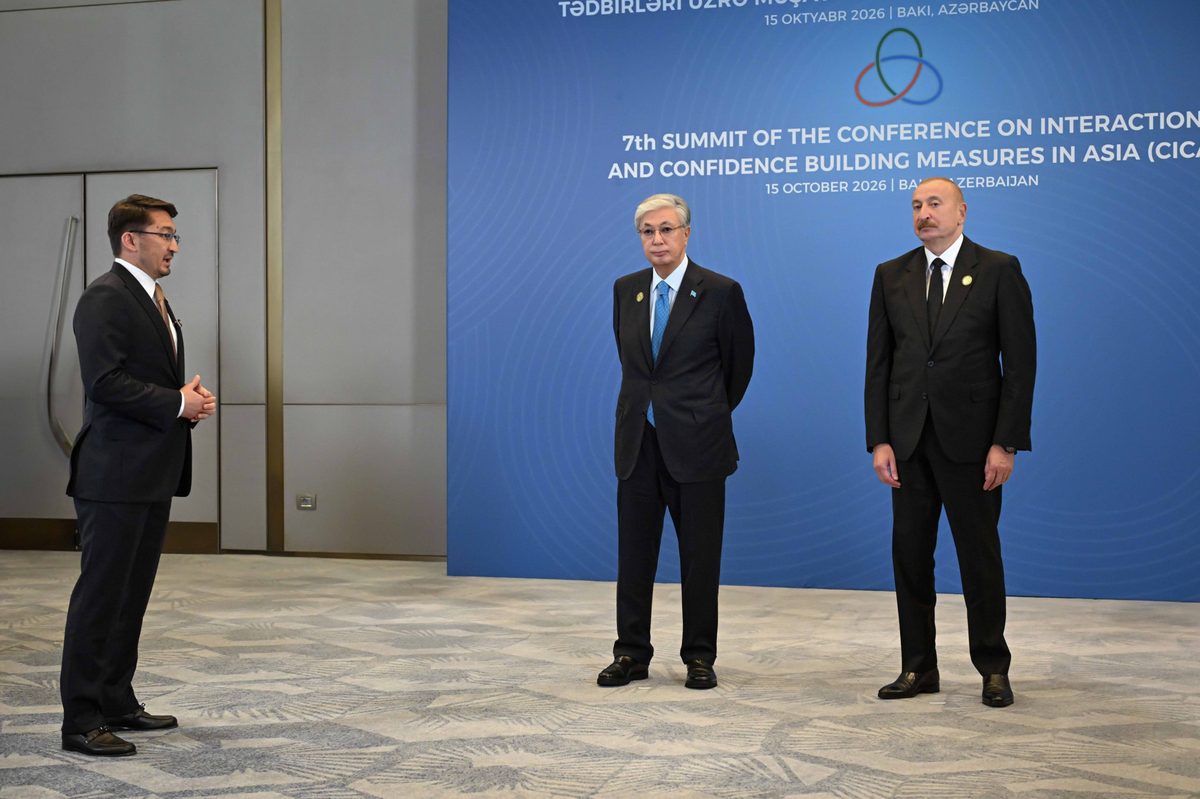
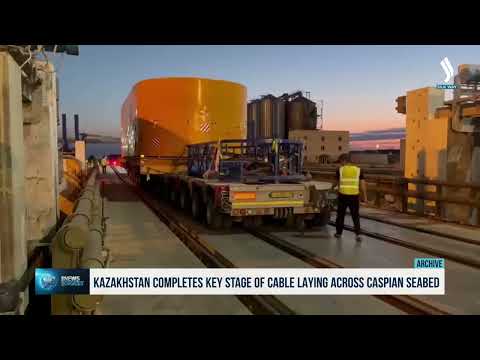
The presidents of Azerbaijan and Kazakhstan switched on a 380-kilometer fiber-optic cable running along the Caspian seabed on October 15. The line, with capacity above 400 terabits per second, links Sumgayit in Azerbaijan to Aktau in Kazakhstan.

The cable is the digital arm of the Middle Corridor, the trade route connecting China and Central Asia to Europe. Data will now flow from Asia to Europe through Azerbaijan, Kazakhstan, and Georgia, bypassing Russia entirely.

Why it matters

Data from China and Central Asia can now reach Europe without transiting Russia, giving the Middle Corridor a digital dimension alongside its physical trade route.

Questions about this story

Free account needed to ask — your question is kept and asked for you right after sign-up. Answers are public.

No questions yet — be the first to ask.

Key Indicators

380 km
Cable length
Submarine cable between Sumgayit, Azerbaijan and Aktau, Kazakhstan.
400+ Tbps
Cable capacity
Data transmission capacity of the new line.
2
Countries directly connected
Azerbaijan and Kazakhstan linked by the undersea cable.

Voices

Curated perspectives — historical figures and your fellow readers.

Ever wondered what historical figures would say about today's headlines?

Sign up to generate historical perspectives on this story.

People Involved

Organizations Involved

Timeline

July 2026 October 2026

2 events Latest: Today
  1. Presidents inaugurate the Trans-Caspian fiber-optic cable

    Today Inauguration

    Aliyev and Tokayev officially opened the line in an online ceremony in Baku, and exchanged an agreement on Middle Corridor cooperation.

  2. Cable laying begins in the Caspian Sea

    Construction

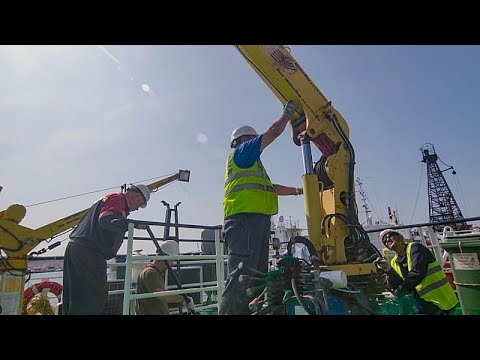
    Work started on the submarine cable between Sumgayit, Azerbaijan and Aktau, Kazakhstan.

Scenarios

1

Cable becomes a major Eurasian data artery

Likely Resolves by End of 2027

Discussed by: Kazakh and Azerbaijani officials, telecom analysts

If demand for Asia-Europe data transit grows, the cable could attract data center investment and become a primary route. Officials have said the line will support artificial intelligence data centers, cloud services, and computing capacity, and could eventually connect to undersea systems in the Black Sea and Mediterranean.

2

Cable underutilized as demand lags

Possible Resolves by End of 2027

Discussed by: Telecom industry analysts

Competing routes through Russia or southern corridors could capture traffic. If data center investment does not follow, the cable may run at low utilization despite its 400 Tbps capacity.

3

Cable extended to Black Sea and Mediterranean

Possible Resolves by Q2 2028

Discussed by: Azerbaijani and Kazakh officials

Officials have said the cable could connect to undersea systems in the Black Sea and Mediterranean. An extension would complete the Asia-Europe data corridor and strengthen the route's strategic position.

Historical Context

2 moments from history that rhyme with this story — and how they unfolded.

2014-present

Middle Corridor transport route (2014)

Kazakhstan, Azerbaijan, and Georgia established the Trans-Caspian International Transport Route to move goods from China to Europe by rail and sea, bypassing Russia. The route has grown but faces bottlenecks at ports and border crossings.

Then

The route became a strategic alternative to northern routes, especially after 2022 sanctions on Russia.

Now

It established the South Caucasus and Central Asia as a transit region for East-West trade.

Why this matters now

The fiber-optic cable is the digital version of this same corridor, using the same geography to move data instead of goods.

2006

Baku-Tbilisi-Ceyhan pipeline (2006)

Azerbaijan, Georgia, and Turkey built a 1,768-kilometer oil pipeline from the Caspian to the Mediterranean, the first major export route for Caspian oil that avoided Russia.

Then

The pipeline opened in 2006 and became a key energy export route for the region.

Now

It set a precedent for transit infrastructure in the South Caucasus that bypasses Russia.

Why this matters now

The fiber-optic cable follows the same logic: a new transit route that gives the region strategic importance beyond energy.

Sources

(10)