

Pull to refresh
Logo
US, Armenia and Azerbaijan start technical work on the TRIPP transit route

US, Armenia and Azerbaijan start technical work on the TRIPP transit route

Built World

Two planning groups, on transport and electricity, begin turning the August 2025 summit declaration into buildable plans

Overview

Updated 52 minutes ago

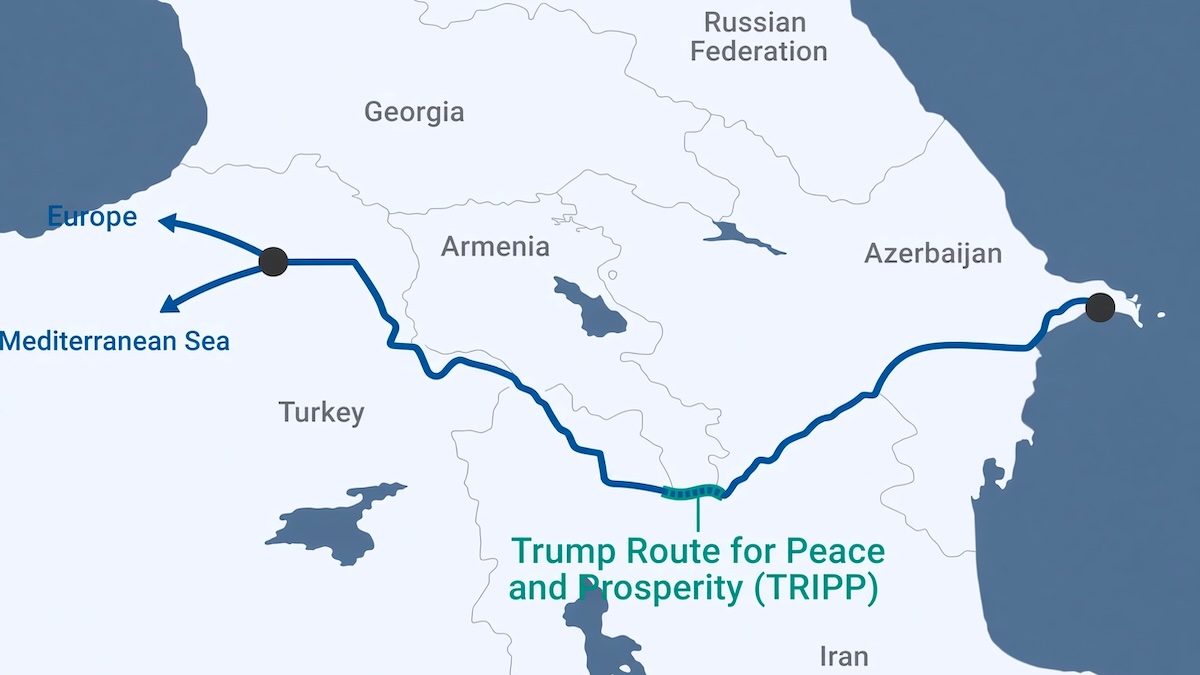
Armenia's border with Azerbaijan and Turkey has been closed since 1991. On November 7, 2026, officials from Armenia, Azerbaijan and the United States opened two working groups to plan a road, rail, pipeline and power line route across it, running through Armenia's Syunik province to connect mainland Azerbaijan with the Nakhchivan exclave.

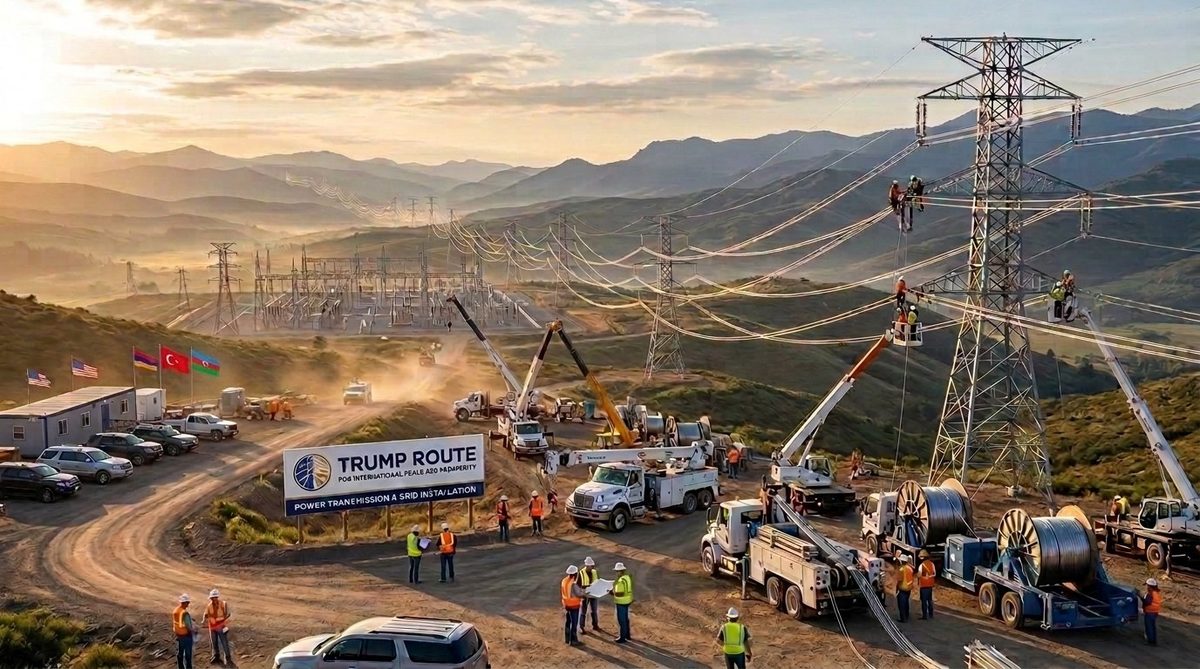
The groups are the first concrete machinery attached to the Trump Route for International Peace and Prosperity (TRIPP), the project named in the August 8, 2025 summit declaration. They cover transportation and electricity transmission first. Nothing has been built yet; their job is to resolve the engineering and legal questions that stand between a signed declaration and construction.

Why it matters

A route closed since the Soviet collapse would reopen, with a US-held majority stake in the company that would run it.

Questions about this story

Free account needed to ask — your question is kept and asked for you right after sign-up. Answers are public.

No questions yet — be the first to ask.

Key Indicators

74%
US stake in the TRIPP development company
Armenia would hold 26 percent under the framework agreement described by Armenian analysts.
49 years
Initial term of exclusive land-use rights
Term described in the Armenia-US framework agreement covering the route corridor.
2
Trilateral planning groups launched
One on transportation, one on electricity transmission.
2027
Expected construction start
Target given by Armenian officials after parliament ratified the US strategic agreement.

Voices

Curated perspectives — historical figures and your fellow readers.

Sign up to generate historical perspectives on this story.

People Involved

Organizations Involved

Timeline

August 2025 November 2026

6 events Latest: Today
Tap a bar to jump to that date
  1. Trilateral technical planning groups launched

    Today Diplomacy

    The US, Armenia and Azerbaijan open working groups on transportation and electricity transmission.

  2. Armenian parliament ratifies US strategic agreement

    Legislation

    The National Assembly ratifies the Armenia-US agreement tied to TRIPP. Officials say construction is expected in 2027.

  3. Armenian and Azerbaijani specialists meet in Goris

    Technical

    Experts examine possible routes for electricity transmission lines across the border region.

  4. Grigoryan delegation surveys project sites

    Technical

    An Armenian delegation visits the proposed project area to assess possible infrastructure locations.

  5. Armenia and US sign framework agreement in Washington

    Agreement

    A strategic cooperation framework covering the TRIPP project is signed, followed by a Yerevan signing on June 4.

  6. Washington summit produces Peace Summit Declaration

    Diplomacy

    Trump, Pashinyan and Aliyev sign a declaration naming the Trump Route for International Peace and Prosperity.

Scenarios

1

Construction starts in Syunik in 2027

Possible Resolves by End of 2027

Discussed by: Armenian government officials, quoted by PAN.am

The planning groups finish technical specifications for the road, rail and power components, the development company is capitalised, and earthmoving begins in Armenia's southern province on the timetable Armenian officials have described. This requires Armenia and the US to settle the land-use, customs and revenue terms before the first contract is signed.

2

Sovereignty dispute over the development company stalls the route

Possible Resolves by Q2 2027

Discussed by: Armenian analysts writing in 1in.am

The 74-26 ownership split and 49-year exclusive land-use rights become the flashpoint. If Yerevan cannot secure binding guarantees that Armenian law, customs and courts apply across the corridor, ratification of the operating terms slips and the planning groups run out of instructions.

3

Freight moves by rail from Azerbaijan to Nakhchivan through Armenia

Uncertain Resolves by End of 2028

Discussed by: Azerbaijani and Armenian officials involved in the technical track

The transport group's work produces a working railway link along the border with Iran, allowing goods to move between mainland Azerbaijan and Nakhchivan without crossing Iranian territory. This is the outcome the project was built around, and the one that would test whether border and customs arrangements hold in practice.

Historical Context

3 moments from history that rhyme with this story — and how they unfolded.

1994–2006

Baku–Tbilisi–Ceyhan pipeline (1990s–2006)

Azerbaijan, Georgia and Turkey, backed by the US and UK, agreed to route Caspian oil west through Georgia rather than through Armenia. The pipeline opened in 2006 and carried Azerbaijani crude to the Mediterranean.

Then

Armenia was left outside the region's main east-west energy corridor while its borders with Turkey and Azerbaijan stayed closed.

Now

The route locked in a pattern of regional economics in which Armenia's exclusion from transport and energy links deepened its isolation.

Why this matters now

TRIPP is the first project that would put Armenia inside a corridor rather than around it, which is why the terms of its participation are being fought over so closely.

November 2020

Nagorno-Karabakh ceasefire statement (November 2020)

A trilateral statement ending the 2020 war included a clause on unimpeded movement between mainland Azerbaijan and Nakhchivan. The clause was never implemented, and the arrangement it implied was disputed for years.

Then

Russian border guards deployed to the region and the movement clause remained on paper.

Now

The unfulfilled clause became a standing Azerbaijani demand and a standing Armenian security concern, and it set the terms of the argument that TRIPP now tries to settle.

Why this matters now

The November 2026 planning groups are the first structured attempt to turn that 2020 language into engineering and customs arrangements.

1870s–1880s

Transcaucasian Railway (late 19th century)

Imperial Russia built rail links across the South Caucasus, tying Tbilisi, Baku and the Caspian coast into a single network administered from the north.

Then

The railway moved troops, grain and later oil, and made Baku a major industrial port.

Now

The network's geometry shaped which cities grew and which were bypassed long after the empire that built it disappeared.

Why this matters now

South Caucasus transport routes have repeatedly been built by outside powers for their own purposes, a pattern the current project follows.

Sources

(6)