

Pull to refresh
Logo
HALO Trust completes 27-year landmine clearance in Kosovo

HALO Trust completes 27-year landmine clearance in Kosovo

Built World

The charity cleared explosives from the 1998-99 war, handing residual contamination to Kosovo's national authorities.

Today: HALO concludes 27-year Kosovo mission

Overview

Updated 2 hours ago

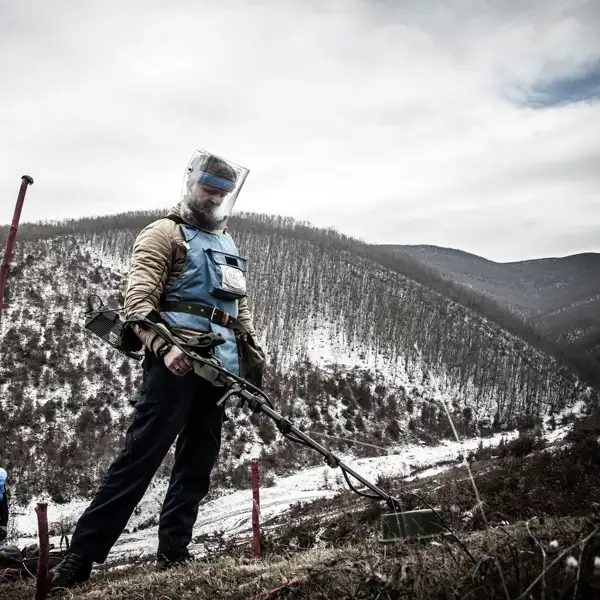
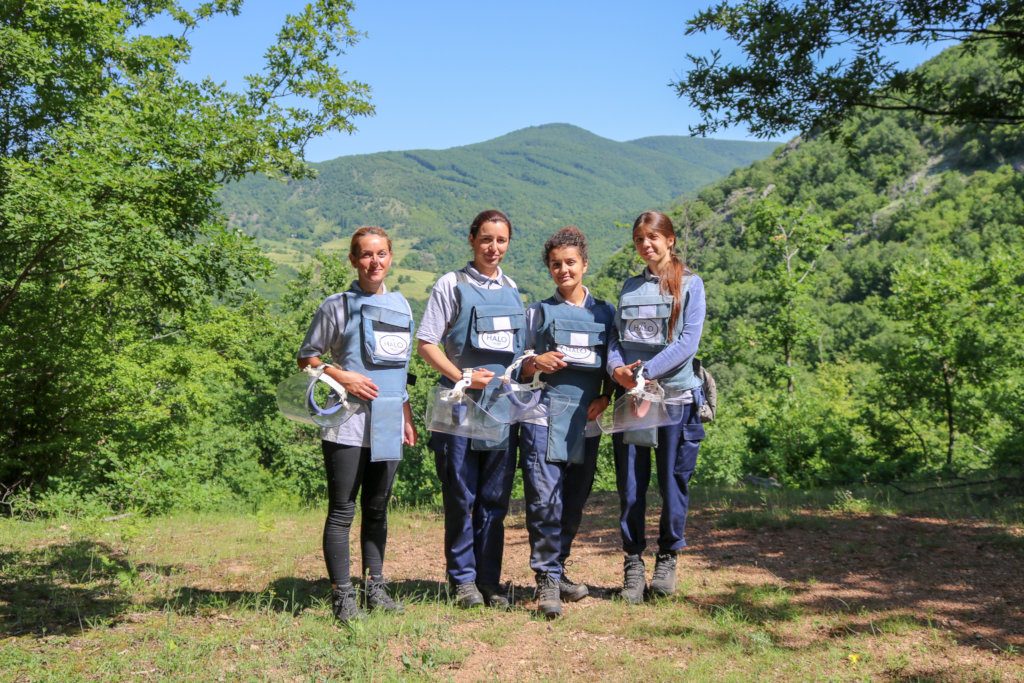
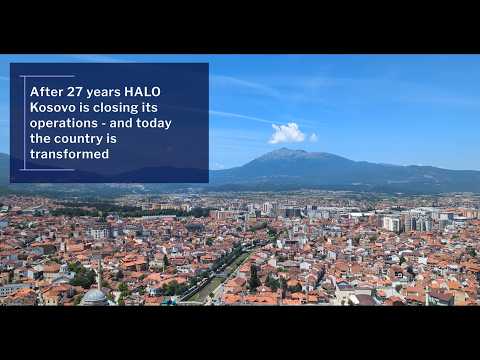
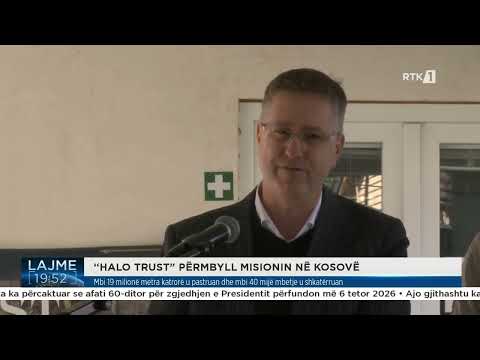
The HALO Trust closed its Kosovo mission in September 2026, ending 27 years of clearing landmines and cluster bombs from the 1998-99 war. The charity handed responsibility for any remaining contamination to Kosovo's national mine action authorities.

The clearance unlocked measurable change. Kosovo's economy grew to $14 billion and life expectancy climbed from 58 during the war to 78 today. Infrastructure from the Pristina airport to mountain tourist trails could only be rebuilt once the ground beneath them was safe.

Why it matters

Demining turned a battlefield into a $14 billion economy and lifted life expectancy to 78. Other war-torn states now have a working model.

Questions about this story

Free account needed to ask — your question is kept and asked for you right after sign-up. Answers are public.

No questions yet — be the first to ask.

Key Indicators

27
Years of HALO operations in Kosovo
From first clearance after the 1999 ceasefire to closure in September 2026.
$14B
Kosovo GDP today
Up from near-collapse during the war; diaspora investment and reconstruction followed demining.
585
Landmine casualties, 1999-2024
Three-quarters of these occurred in the chaotic 1999-2000 window before risk education and survey were in place.
10 km²
Estimated remaining contaminated land (end of 2023)
Concentrated along borders with Albania and North Macedonia; clearance target is 2030.
2,800+
Football pitches of land cleared
HALO's own measure of the total area it released in Kosovo by 2025.

Voices

Curated perspectives — historical figures and your fellow readers.

Ever wondered what historical figures would say about today's headlines?

Sign up to generate historical perspectives on this story.

People Involved

Organizations Involved

Timeline

February 1998 September 2026

12 events Latest: Today Showing 8 of 12
Tap a bar to jump to that date
  1. HALO concludes 27-year Kosovo mission

    Today Mission Conclusion

    HALO hands residual contamination responsibility to Kosovo's national mine action authorities.

  2. HALO clears 2,800 football pitches

    Milestone

    Total area released in Kosovo reaches the size of more than 2,800 football pitches.

  3. Kosovo misses 2024 clearance goal

    Policy

    2019-24 strategy target slips; new 2025-30 strategy sets 2030 completion date.

  4. Mine clearance resumes after funding restored

    Funding

    HALO releases 29,309 m² in 2023 with ten anti-personnel mines found and destroyed.

  5. Non-Technical Survey project completes

    Survey

    Kosovo produces its most accurate estimate ever of remaining mined area.

  6. Komogllavë clearance completes

    Humanitarian Operation

    53 cluster bombs removed; farmer Sabit Abazi resumes planting on cleared land.

  7. Komogllavë cluster bomb clearance starts

    Humanitarian Operation

    HALO begins clearing cluster bombs from a farming village with U.S. State Department funding.

  8. Peak casualty window

    Human Cost

    75% of all 585 mine casualties occur before risk education and survey reach communities.

  9. War ends; returns begin

    Conflict Resolution

    Over 800,000 Kosovar Albanians return to find homes destroyed and land contaminated.

  10. NATO launches Operation Allied Force

    Conflict

    NATO airstrikes against Yugoslav targets; cluster munitions contaminate wide areas.

  11. HALO begins Kosovo clearance

    Humanitarian Operation

    HALO Trust starts landmine and cluster bomb clearance immediately after the ceasefire.

  12. Kosovo conflict escalates

    Conflict

    Kosovo Liberation Army clashes with Yugoslav forces; fighting intensifies through the year.

Scenarios

1

Kosovo completes remaining clearance by 2030

Likely Resolves by End of 2030

Discussed by: The Monitor and Mine Action Review, which note the 2030 target is achievable with sustained donor funding

Under the 2025-30 Mine Action Strategy, HALO and other operators continue clearing the roughly 10 km² of remaining contamination along the Albanian and North Macedonian borders. If donor funding holds, Kosovo's authorities say they can finish by the end of 2030, then shift to reactive management of residual threats through KMAC and KSF units.

2

Funding shortfall delays Kosovo clearance past 2030

Possible Resolves by Q2 2031

Discussed by: The Monitor, which lists funding uncertainties, difficult terrain, climate disruptions, and northern Kosovo security issues as completion risks

Humanitarian demining funding is shrinking globally while new threats like drone-delivered scatterable mines emerge. If major donors reduce or shift Kosovo funding, the remaining clearance could stretch past the 2030 deadline, forcing KMAC to manage both active clearance and residual threats simultaneously.

3

Kosovo submits residual contamination strategy by 2029

Likely Resolves by End of 2029

Discussed by: Mine Action Review's Kosovo country profile, which reports the plan is scheduled for submission to the government by 2029

As proactive clearance winds down, Kosovo plans to shift to reactive management of residual explosive threats. A comprehensive residual contamination strategy is due to the government by 2029, mapping how KMAC and KSF units will respond when citizens find isolated explosive items in the future.

Historical Context

3 moments from history that rhyme with this story — and how they unfolded.

1979-present

Cambodia's decades-long clearance (1979-present)

Decades of conflict left Cambodia with millions of landmines and unexploded ordnance across rural provinces. Clearance began in 1979 and has continued with international support ever since.

Then

Cambodia has cleared vast areas but remains one of the world's most contaminated countries, with casualties still occurring annually.

Now

The country has cut yearly casualties dramatically but faces decades more work; no completion date is in sight.

Why this matters now

Cambodia is the contrast case: many post-conflict states never reach the end of their demining mission, which makes Kosovo's closure notable.

1982-2020

Falkland Islands declared mine-free (2020)

The 1982 war between Britain and Argentina left minefields scattered across the Falkland Islands. HALO began clearance work there in 2009, focusing on fields near the capital, Stanley.

Then

The islands were declared mine-free in November 2020, the first time a British overseas territory reached that status.

Now

Residents gained access to land that had been fenced off for nearly four decades, and the mission set a precedent for how demining concludes.

Why this matters now

Like Kosovo, the Falklands demonstrates the formal end state of a demining mission: a clear declaration after systematic survey and clearance.

1993-2015

Mozambique declared landmine-free (2015)

After a 16-year civil war ended in 1992, Mozambique was one of the world's most heavily mined countries. HALO began clearance in 1993, working alongside other operators across rural provinces.

Then

Mozambique was formally declared landmine-free in September 2015, becoming the most heavily mined country ever to reach that status.

Now

The clearance reopened farmland and transport routes across the country, and the completion framework became a template for post-conflict demining.

Why this matters now

Mozambique shows the same trajectory Kosovo followed: sustained clearance over decades, then a formal declaration ending the mission.

Sources

(10)