
Pull to refresh
Logo
U.S. and Honduras sign security pacts and raise prospect of joint military operations

U.S. and Honduras sign security pacts and raise prospect of joint military operations

Force in Play

Hegseth's visit to Soto Cano Air Base brings $13.5 million in equipment and a legal framework for treating cartels as terrorist targets

Overview

Updated 1 hour ago

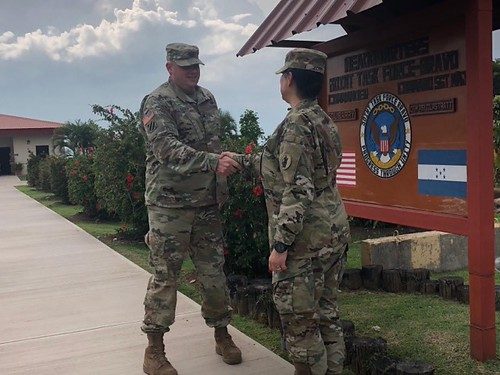
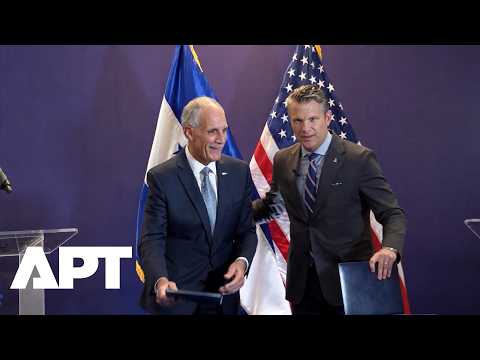
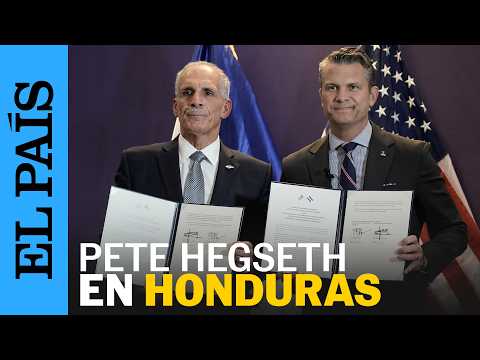
Joint Task Force Bravo has run disaster relief, medical missions and counter-drug support from Soto Cano Air Base since 1982. On November 19, Pete Hegseth and President Nasry Asfura signed agreements that point that 44-year mission at Honduras's cartels.

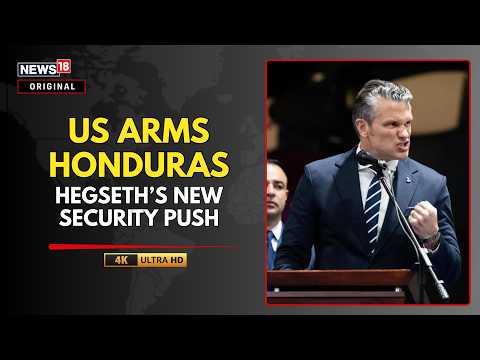
The money is modest: $13.5 million in U.S. equipment and training for 2026 and 2027. The rest is architecture. A cyber-defense memorandum covers Honduras's power grid, a joint declaration on "national defense areas" is meant to strengthen its borders, and Hegseth said cooperation could extend to military operations.

Why it matters

The $13.5 million is small. The framework is not: it lets Washington and Tegucigalpa treat cartels as terrorist targets and plan joint operations.

Questions about this story

Free account needed to ask — your question is kept and asked for you right after sign-up. Answers are public.

No questions yet — be the first to ask.

Key Indicators

$13.5M
U.S. military equipment and training package
Bilateral cooperation funding for 2026 and 2027, described by Hegseth as an initial down payment.
12
People killed in the Yoro massacre
A local official and children were among the dead on November 18; the government blamed the Cartel del Diablo.
500
Honduran police and soldiers sent to Yoro
Asfura's response to the massacre, cited by Hegseth as evidence of Honduran will.
40 years
Maximum sentence for members of designated terrorist organizations
Set by a penal code reform that took effect November 3, 2026.

Voices

Curated perspectives — historical figures and your fellow readers.

Sign up to generate historical perspectives on this story.

People Involved

Organizations Involved

Timeline

2025 November 2026

6 events Latest: 2 days ago
Tap a bar to jump to that date
  1. Hegseth and Asfura sign defense and cyber agreements

    Latest Agreement

    $13.5 million in equipment for 2026-2027, a cyber-defense memorandum and a border-security declaration.

  2. Hegseth raises the prospect of joint military operations

    Statement

    He cited Honduran legislation as the legal basis for counter-cartel action.

  3. Twelve killed in Yoro massacre

    Violence

    A local official and children were among the dead; the government blamed the Cartel del Diablo.

  4. Honduras designates the Cartel del Diablo a terrorist organization

    Designation

    The group joined MS-13 and Barrio 18 on the list.

  5. Asfura wins Honduras's presidency

    Election

    Trump backed him during the campaign.

Scenarios

1

U.S. and Honduras announce a joint military operation against a named cartel

Possible Resolves by Q2 2027

Discussed by: Pete Hegseth in public remarks at Soto Cano; DW and El Universo

Hegseth said cooperation could run "through military operations" and pointed to Honduras's November 3 penal reform as the legal footing. A named operation would be the first public case of U.S. forces conducting combat action against a criminal group in Honduras rather than supporting Honduran units. No operation has been announced, and Honduran officials have released no operational details.

2

Joint Task Force Bravo grows beyond training and disaster relief

Possible Resolves by Q3 2027

Discussed by: Hegseth's remarks on the mission's evolution; CEPR on the broader U.S. buildup in Latin America

The task force has been at Soto Cano since 1982 and has already shifted toward counter-drug support. A permanent increase in personnel or aircraft assigned there would signal that the $13.5 million package came with a bigger operational footprint. Whether that happens depends on future budget requests rather than on the November 19 declarations.

3

Honduran courts or congress strike down the security reforms

Unlikely Resolves by Q2 2027

Discussed by: The UN human rights office and press coverage of the reform's warrantless-raid and tattoo provisions

The November 3 reform lets police raid without prior warrants, allows warrants to be issued retroactively, and permits tattoos as evidence of gang membership. The UN human rights office has said the changes conflict with Honduras's rights obligations. A court ruling against those provisions would remove the legal basis Hegseth cited for joint operations.

4

A regional human rights body rules against Honduras's security package

Possible Resolves by Q2 2027

Discussed by: The UN human rights office, which has already raised concerns about the reform

Honduras's reforms resemble El Salvador's state of exception, which drew sustained scrutiny from rights groups. A formal finding would raise the political cost of U.S. cooperation and complicate the cyber and equipment agreements. It would not by itself halt the programs, since neither agreement conditions aid on human rights compliance.

Historical Context

3 moments from history that rhyme with this story — and how they unfolded.

2000 onward

Plan Colombia (2000)

Washington paired military aid and training for Colombia's armed forces with a counternarcotics campaign against the FARC and drug traffickers. The package set the template: fund the host country's security forces, let it define the legal terms, and keep U.S. advisers in the loop.

Then

Colombia's military regained ground against the FARC and drug trafficking organizations.

Now

Coca cultivation spread and Colombia remained the world's largest cocaine producer; the U.S. advisory presence became permanent.

Why this matters now

Shows how a modest initial package can turn into a multiyear security relationship with a lasting U.S. footprint.

March 2022 onward

El Salvador's state of exception (2022)

After a weekend of MS-13 killings, El Salvador's legislature suspended constitutional guarantees, allowing arrests without warrants. Tens of thousands of people were jailed over the following years.

Then

Homicides fell sharply and the government's approval ratings rose.

Now

The model spread across the region, while human rights groups documented deaths in custody and mass wrongful detentions.

Why this matters now

Honduras's November 3 reform copies key elements, and the UN human rights office has already raised concerns about it.

1982 onward

Joint Task Force Bravo at Soto Cano (1982)

The U.S. military established a cooperation relationship with Honduras at Soto Cano in 1982, in the middle of Central America's civil wars. The mission later shifted toward disaster relief, medical care and counter-drug support.

Then

The base became the main U.S. military hub in Central America.

Now

It survived the end of the Cold War and repeated changes in Honduran politics.

Why this matters now

Hegseth's visit is the latest attempt to redefine what that 44-year presence is for.

Sources

(11)